
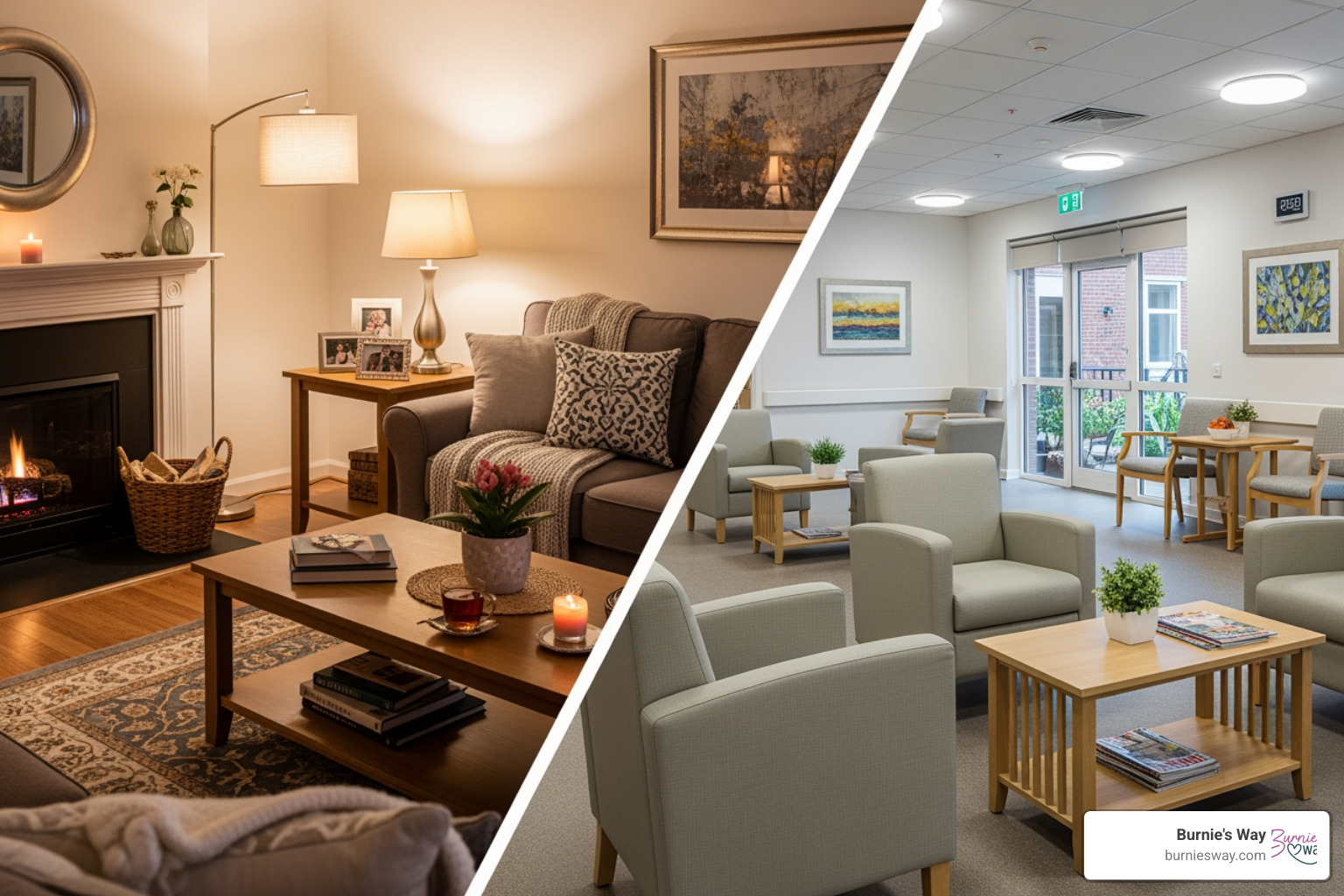
Understanding the True Cost of Aging at Home
Most seniors—a staggering 94%—want to age in the comfort of their own homes. But what does that really cost? Understanding the financial side of in-home support is crucial for making informed, sustainable decisions for your loved ones.
Private pay home care rates in Canada typically range from $38 to $43 per hour, but this can vary based on the level of support needed and your location. While government-funded options exist, they often have long waitlists and may not cover all needs. Private pay offers more flexibility and control, allowing you to choose the type and frequency of care that best suits your family.
This guide will break down the factors that influence these costs, what you can expect to pay, and how to plan for it without feeling overwhelmed. Let's explore how you can provide the best support for your loved one while managing the financial commitment.
What Factors Influence Private Pay Home Support Rates?
Navigating in-home support can feel like a maze, with varying costs and options. The price of care isn't a one-size-fits-all figure; it's a dynamic number influenced by several key factors. At Burnie's Way, we believe in a personalized approach, helping you understand these variables to find the perfect blend of assistance. Learn more about our approach.
Geographic Location
Just like real estate, the cost of home support varies significantly by location. Major urban centers with a higher cost of living, such as Vancouver or Toronto, generally have higher hourly rates than smaller towns or rural areas. For example, while the national average for private home support is around $38-$43 per hour, rates in some metropolitan areas can climb to $50 per hour or more.
Level and Type of Support Required
The specific assistance an individual needs is the most significant factor in determining cost. The more specialized the care, the higher the rate.
- Lifestyle Coordination & Companionship: This includes help with daily routines like meal prep, light housekeeping, errands, and social engagement. These services, which are the core of what Burnie's Way provides, generally fall within the $18 to $50 per hour range.
- Personal Support: This involves hands-on assistance with activities of daily living (ADLs) like bathing, dressing, and mobility. Rates for this type of care typically range from $20 to $35 per hour.
- Skilled Nursing Support: This is for medical care provided by licensed professionals, such as wound care or injections. As it requires specialized training, it's the most expensive option, often costing $50 to $130 per hour.
Hiring Method: Service Provider vs. Independent Helper
Your choice of how to hire support also impacts the cost and your level of responsibility.
- Hiring through a Service Provider: Agencies typically charge more (often 20-30% higher than independent rates) to cover overhead, which includes vetting, training, insurance, and payroll. This offers convenience and peace of mind, as the agency handles all administrative tasks.
- Hiring an Independent Helper: While often more affordable, hiring directly makes you the employer. You'll be responsible for everything from background checks and scheduling to payroll and tax withholding. You can find more information on your responsibilities as an employer on the Government of Canada's website.
A Breakdown of Average Home Support Costs
Understanding the raw numbers is crucial for effective planning. Let's break down the average costs you might encounter for private pay home care rates in Canada, from hourly rates to monthly and annual projections.
Understanding Hourly, Daily, and Monthly Private Pay Home Support Rates
The average hourly rate for general private home support in Canada typically falls between $38 and $43 per hour. This rate is the foundation for all other cost calculations.
- Hourly Rates: For basic companionship or help with daily routines (IADLs), you can expect to pay within the $38-$43 CAD range. More specialized personal support or nursing services will increase this rate.
- Daily Costs: A full 8-hour day of support can cost approximately $325 per day. This is a useful figure for planning intermittent or respite care.
- Monthly Expenses: For more consistent support, such as one full day per week, the cost is around $1,300 a month. If daily support is needed, monthly costs can range from $6,200 to over $6,500, depending on the level of care.
These are general estimates, and your actual expenses will depend on your specific needs, location, and the provider you choose.
The Cost of 24/7 In-Home Support
For individuals requiring continuous, round-the-clock assistance, the costs are significantly higher. This level of care usually involves a team of caregivers working in shifts or a live-in arrangement.
- Monthly Cost Estimates: In Canada, 24/7 private in-home support can range from $18,000 to over $28,000 per month. The final cost depends on whether the care is provided by personal support workers or registered nurses.
- When Other Living Arrangements Might Be More Viable: When costs reach this level, it's wise to compare them with other options like assisted living or nursing homes. While these facilities offer a different environment, they may provide a more financially sustainable solution for continuous, high-level care, as their fees are often all-inclusive. It's important to weigh the desire to age at home against the financial realities and the level of support required.
Comparing Home Support Costs to Other Living Options
Understanding private pay home care rates is about more than just the numbers; it's about making the best choice for your loved one's lifestyle and financial situation. While we at Burnie's Way champion the benefits of independent living, it's helpful to see how the costs stack up against other senior care options.
Here’s a general comparison of monthly costs for various living arrangements in Canada:
| Option | Typical Monthly Cost (CAD) | What's Generally Included |
|---|---|---|
| Independent Living | $1,500 - $4,000 | Rent/mortgage, utilities, meals, and some social activities. Does not typically include personal care. |
| Assisted Living | $3,000 - $6,000+ | Housing, meals, housekeeping, and some personal care assistance. Medical services are often extra. |
| Long-Term Care (Nursing Home) | $1,800 - $3,700 (subsidized) | Room, board, 24/7 nursing care, and assistance with all daily activities. Waitlists can be long. |
| Private In-Home Care (Part-Time) | $1,500 - $6,500+ | Based on hourly rates ($38-$43/hr). Cost depends entirely on the number of hours and type of support needed. |
| Private In-Home Care (24/7) | $18,000 - $28,000+ | Continuous, round-the-clock care, often involving a team of caregivers. |
Note: These are average costs and can vary significantly based on location, the specific services required, and the provider. Costs for independent and assisted living do not include the additional expense of private home support if needed.
This comparison highlights that for those who need minimal to moderate assistance, staying at home with private support can be a cost-effective and preferred option. It allows for maintaining independence and comfort in a familiar environment. However, as care needs intensify, the cost of 24/7 in-home support can exceed that of residential facilities, making it important to weigh all options carefully.
How to Pay for Home Support: Financial Assistance and Budgeting
Financing in-home care can seem daunting, but with careful planning, it is manageable. A combination of personal savings, government programs, and tax credits can help make aging in place an affordable reality.
Government Programs and Tax Credits
Several government programs and tax credits are available to help offset the cost of home support. Eligibility and amounts vary by province, so research what's available in your area.
- Canada Caregiver Credit: A non-refundable tax credit for individuals who support a spouse, common-law partner, or dependent with a physical or mental impairment. Learn more about the Canada Caregiver Credit.
- Disability Tax Credit (DTC): A non-refundable tax credit that helps people with impairments or their supporting family members reduce the amount of income tax they may have to pay.
- Home Accessibility Tax Credit (HATC): A non-refundable tax credit for eligible home renovation expenses that improve safety and accessibility for seniors or those with disabilities. Learn more about the HATC.
- Provincial/Territorial Programs: Many provinces offer their own tax credits and support programs. For example, Ontario has the Healthy Homes Renovation Tax Credit, and British Columbia offers a Home Renovation Tax Credit for Seniors and Persons with Disabilities.
Creating a Sustainable Budget
Proactive financial planning is key to managing the costs of home support without stress.
- Assess Your Needs: Start by determining the level of support required. Is it a few hours a week for companionship and errands, or more intensive daily assistance?
- Itemize Expenses: Create a detailed budget that includes all current and anticipated costs, from housing and utilities to food, transportation, and healthcare.
- Explore Funding Sources: Look into savings, pensions, investments, and any applicable government benefits or tax credits.
- Involve Family: Open communication with family members is crucial. Discussing financial responsibilities and expectations early can prevent misunderstandings later.
- Consult a Professional: A financial advisor can provide personalized advice and help you create a long-term care plan that aligns with your financial situation and goals. For additional resources, organizations like the Family Caregiver Alliance offer valuable information and support.
Frequently Asked Questions about Home Support Costs
What is the average hourly rate for private home support in Canada?
The average rate typically falls between $38 and $43 per hour. However, this can vary based on your location and the specific type of support needed. Companionship services are often at the lower end of this range, while more specialized personal or nursing care will cost more.
How does hiring through a service provider compare to hiring an independent helper?
Service providers generally charge 20-30% more than independent helpers. This premium covers important services like background checks, insurance, payroll, and providing backup support. Hiring independently can be more affordable upfront, but you become the employer and are responsible for all administrative and legal tasks, including taxes and liability.
How much does 24/7 in-home support typically cost per month in Canada?
The cost for 24/7 in-home support can be substantial, often ranging from $18,000 to over $28,000 per month, depending on the level of care required (e.g., personal support vs. skilled nursing). This cost reflects the need for multiple caregivers working in shifts to provide continuous, round-the-clock assistance.
Conclusion: Planning for Independence and Peace of Mind
Choosing to age in place is a significant decision, and understanding the financial side is a key part of the process. While costs can vary based on location, the level of care needed, and how you hire help, there are numerous ways to make it manageable. By exploring all your options, from government programs to different types of support, you can create a plan that ensures safety, comfort, and independence for your loved one.
At Burnie's Way, we specialize in providing personalized, non-medical support that helps seniors live confidently and joyfully in their own homes. We're here to help you steer the options and find the right balance of care and independence.
Explore Our Services to see how we can help you or your loved one thrive at home.
What Factors Influence Private Pay Home Support Rates?
Navigating in-home support can feel like a maze, with varying costs and options. Our goal is to help you understand the cost variables so you can make informed decisions. There's no one-size-fits-all price tag for in-home assistance; it's a dynamic figure influenced by several key factors. At Burnie's Way, we believe in a personalized approach to understanding these needs, allowing us to help you coordinate the perfect blend of assistance that supports independent living. You can learn more about our approach and how we work to tailor solutions at More info about our approach.
Geographic Location
Where you live significantly impacts the cost of private home support. Just like housing prices, the cost of living in a particular area directly affects hourly rates for personal support. Areas with a higher cost of living, often metropolitan centers, tend to have higher rates compared to more rural or less expensive regions.
In Canada, for example, private pay home care rates in provinces like Alberta and British Columbia typically range between $40 and $50 per hour. This is often at the higher end of the national average, which sits between $38 and $43 per hour for general private home support. For basic companionship or in-home assistance, rates might start lower, around CAD $20–$30 per hour, but can climb to CAD $50-60 for more professional nursing services. This illustrates why it's crucial to research rates specific to your local area. A general home-based helper for companionship might start at CAD $20–$30 per hour, while professional nursing services can easily reach CAD $50-60 per hour, with these figures also varying by province and city.
Level and Type of Support Required
The nature and intensity of the assistance needed are primary drivers of private pay home care rates. The more specialized or intensive the support, the higher the cost. We can broadly categorize these types of support:
- Lifestyle Coordination and Daily Life Management (Instrumental Activities of Daily Living - IADLs): This includes assistance with everyday tasks that help maintain independence, such as meal preparation, light housekeeping, running errands, scheduling appointments, and medication reminders. These services generally range from $18 to $50 per hour. At Burnie's Way, our focus is on providing this kind of personalized support, acting as a virtual companion, events coordinator, and personal assistant to help individuals live comfortably and confidently at home.
- Personal Support (Activities of Daily Living - ADLs): These tasks involve direct physical assistance with personal care, such as bathing, dressing, grooming, and transferring (moving from bed to chair). These services typically range between $20 to $35 hourly. While Burnie's Way does not provide these direct personal care services, we can help coordinate trusted providers for our clients.
- Skilled Nursing Support: This is the highest level of in-home assistance and involves medical care administered by licensed professionals, including wound care, injections, catheter care, and complex medication management. Skilled Nursing Care can cost anywhere from $50 to $130 hourly due to the specialized training and professional licensure required.
When assessing needs, it's important to differentiate between these levels. A client needing occasional companionship and help with errands will have a different cost structure than someone requiring assistance with all ADLs or continuous medical supervision.
Hiring Method: Service Provider vs. Independent Helper
How you choose to find and engage your home support can significantly impact both the cost and your responsibilities.
- Hiring through a Service Provider (Agency): Agencies typically charge a higher hourly rate, often starting at $20+ per hour, and can be 20-30% more expensive than hiring independently. This premium covers the agency's overhead, which includes comprehensive vetting of personnel (background checks, certifications, training), insurance (liability and workers' compensation), handling all payroll and tax obligations, and providing reliable backup support if your regular helper is unavailable. This option offers convenience and peace of mind, as the agency manages the administrative and logistical complexities.
- Hiring an Independent Helper Directly: This route can appear more affordable, with independent helpers often charging around $15 per hour. However, when you hire directly, you essentially become the employer. This means you are personally responsible for finding, interviewing, and thoroughly vetting candidates, managing their schedule, handling payroll, and ensuring compliance with tax laws. In Canada, if you hire someone to work in your home, they are considered an employee by the government, meaning you may be responsible for withholding and paying taxes on their behalf. Additionally, you may be liable for any injuries sustained on the job, unless the helper carries their own workers' compensation insurance. While potentially saving on hourly rates, this option demands a significant investment of your time and carries increased administrative and legal responsibilities. For details on employer responsibilities in Canada, you can refer to Hiring a helper as an employee.
We empower our clients to understand these trade-offs, helping them decide whether the cost savings of independent hiring outweigh the added responsibilities, or if the comprehensive support of a service provider is a better fit for their family's needs.
A Breakdown of Average Home Support Costs
Understanding the raw numbers is crucial for effective planning. Let's break down the average costs you might encounter for private pay home care rates in Canada, from hourly rates to monthly and annual projections.
Understanding Hourly, Daily, and Monthly Private Pay Home Support Rates
The average hourly rate for general private home support in Canada typically falls between $38 and $43 per hour. This forms the foundation for calculating daily and monthly expenses.
- Hourly Rates: For basic companionship or assistance with daily routines (IADLs), you're generally looking at the $38-$43 CAD range. More specialized personal support (ADLs) or professional nursing services will command higher hourly rates.
- Daily Costs: If you require assistance for one full day per week (e.g., 8 hours), this typically translates to around $1300 a month. This effectively means a daily rate of approximately $325 (based on 4 days per month), or about $40.6 per hour, which aligns with the average hourly rates. While specific daily Canadian averages for non-24/7 care are not always readily available, general estimates from US data for Homemaker Services are around $207 per day and Home Health Aide services around $214 per day. These US figures can provide a broader perspective on how daily rates accumulate for various levels of non-medical support.
- Monthly Expenses: For one full day of support per week, you can expect to pay around $1300 a month. For more extensive, regular support, monthly costs can range significantly based on the number of hours and the type of assistance. Using US data as a general estimate for consistent, but not round-the-clock, support: Homemaker Services can cost approximately $6,292 per month, and Home Health Care Aides around $6,483 per month. These figures underscore the financial commitment involved in regular in-home assistance.
These are general estimates. Your actual expenses will depend on your specific needs, geographic location, and the type of provider you choose.
The Cost of 24/7 In-Home Support
When an individual requires continuous, round-the-clock assistance, the costs become substantial. This level of support often involves a team of helpers working in shifts, ensuring constant presence and assistance.
- Monthly Cost Estimates: In Canada, when calculated on a 24/7 basis, private in-home nursing support costs can easily reach $28,000 a month. This figure reflects the continuous presence of qualified professionals providing medical or highly specialized assistance. For a comparison, in the United States, 24-hour care based on a median rate of $27 per hour for home health aides, would come to approximately $4,536 per week, or $18,144 per month.
- When Other Living Arrangements Might Be More Viable: At these high levels of cost for continuous in-home support, families often begin to evaluate whether other living arrangements might be more financially viable or provide a more comprehensive solution. Options such as residential care homes or nursing homes, while offering different environments, might present a comparable or even lower monthly cost for continuous, high-level support, particularly when considering the all-inclusive nature of their fees (accommodation, meals, and support). We encourage families to weigh the benefits of remaining at home against the financial realities and level of professional support available in other settings.
Comparing Home Support Costs to Other Living Options
Understanding private pay home care rates isn't just about knowing the hourly fee; it's about comparing those costs to other available options to find the best fit for an individual's lifestyle and financial situation. While we at Burnie's Way champion the benefits of independent living at home, we also believe in providing a clear picture of the financial landscape.
Here's a general comparison of typical monthly costs for various living arrangements, focusing on Canadian data where available, and supplementing with US data for broader context. This table helps illustrate the significant financial differences and what might be included in each option:
| Option | Typical Monthly Cost (CAD) | Typical Monthly Cost (USD) | What's Generally Included |
|---|---|---|---|
| Home Support (Canada) | $38-$43/hour | N/A | Hourly rate for various types of non-medical personal support assistance. Seni Mansion |