10 min read

Beyond the Basics: Unpacking Home Care Services for Seniors

Beyond the Basics: Unpacking Home Care Services for Seniors

Why Understanding Home Support Options Matters

elderly home care services - what are the home care services for the elderly person

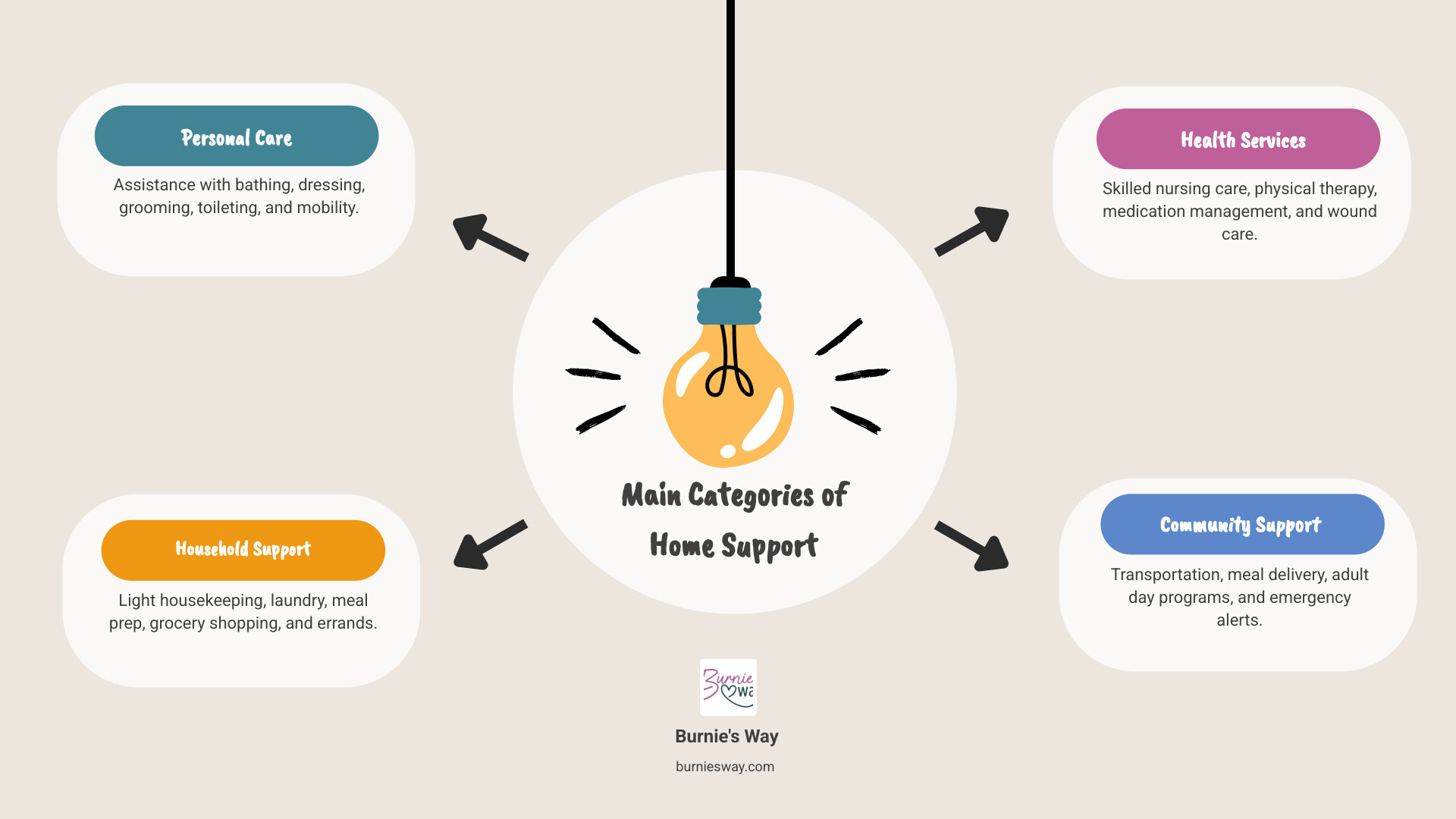
What are the home care services for the elderly person? Home care services for seniors fall into four main categories:

  1. Personal Care - Assistance with bathing, dressing, grooming, toileting, and mobility
  2. Household Support - Light housekeeping, laundry, meal preparation, grocery shopping, and errands
  3. Health Services - Skilled nursing care, physical therapy, medication management, and wound care
  4. Community Support - Transportation, meal delivery, adult day programs, and emergency alert systems

If you're exploring these options, you might feel overwhelmed. Your parent or loved one wants to stay in their own home—and research shows 77% of seniors share that preference. But ensuring they remain safe, healthy, and connected isn't simple.

Maybe you've noticed small signs like unopened mail, a loss of appetite, or forgotten medications. These can feel like alarm bells, especially when you live far away or are juggling your own work and family.

The good news? You don't have to figure this out alone.

Home support services exist to help older adults maintain their independence and quality of life right where they're most comfortable. But the landscape of services, providers, and costs can be confusing.

This guide breaks down the services available to help you make confident decisions that honor your loved one's wishes and give you peace of mind.

Infographic showing four main categories of home support services for seniors: Personal Care (bathing, dressing, mobility assistance, companionship), Household Support (cleaning, laundry, meal prep, errands), Health Services (nursing care, physical therapy, medication management), and Community Support (transportation, meal delivery, emergency alerts, adult day programs) - what are the home care services for the elderly person infographic brainstorm-4-items

Understanding the Spectrum of Home Support

As needs evolve, home support allows seniors to age in place safely. At Burnie's Way, we act as your personal concierge, helping you steer these choices and coordinate the best personal support, so your loved one can continue living the way they want.

Home care is any service that allows a person to stay in their home, ranging from daily assistance to medical interventions. Understanding the difference is key to making informed decisions.

A friendly companion sharing a cup of tea and conversation with an older adult at a kitchen table - what are the home care services for the elderly person

Differentiating Non-Medical and Medical Services

It's crucial to distinguish between non-medical and medical home support, as they serve different needs and have different providers and funding.

Non-Medical Support: These services focus on daily living, companionship, and maintaining a comfortable lifestyle. Burnie's Way helps coordinate this type of personal support.

  • Personal Support: Assistance with Activities of Daily Living (ADLs) like bathing, dressing, grooming, and mobility to ensure personal hygiene and safety.
  • Companionship: Provides crucial social interaction and emotional support to combat loneliness through conversation, hobbies, or simply being a friendly presence.
  • Homemaking: Covers chores like light housekeeping, laundry, meal prep, and errands to maintain a clean and functional home.

Medical Support (Home Health Care): Provided by licensed medical professionals, these services address health conditions, recovery, and ongoing medical needs. We can help you understand when these services are needed and connect you with providers.

  • Skilled Nursing Care: Provided by RNs or LPNs, this includes wound care, medication administration, and managing chronic conditions.
  • Physical Therapy: Helps regain strength, mobility, and balance after an injury or illness.
  • Occupational Therapy: Focuses on improving the ability to perform daily activities like dressing and eating.
  • Speech Therapy: Addresses communication and swallowing issues.

Here's a quick comparison:

Feature Non-Medical Support (Personal Support) Medical Support (Home Health Care)
Focus Daily living, companionship, household tasks, lifestyle coordination Clinical needs, recovery, chronic disease management
Providers Personal care aides, companions, homemakers RNs, LPNs, Physical Therapists, Occupational Therapists, Speech Therapists
Activities Bathing, dressing, meal prep, cleaning, errands, social interaction Wound care, medication administration, therapy, vital sign monitoring
Funding Primarily private pay, some long-term care insurance Medicare, Medicaid, private health insurance (often with strict criteria)
Burnie's Way Role We help coordinate these services for you and your loved one We help you understand when these services are needed and connect you with providers

The Role of a Coordinator or Personal Assistant

Navigating home support options is daunting. A coordinator like Burnie's Way acts as your guide, ensuring your loved one gets the support they need without you managing every detail.

Our role includes:

  • Needs Assessment: We work with you to understand your loved one's unique needs and goals to identify the best services for their independence.
  • Service Coordination: We arrange and manage services, connecting you with reputable providers for personal, household, or medical support.
  • Family Communication: We keep families informed about schedules and progress, providing peace of mind, especially for those at a distance.
  • Advocacy: We act as an advocate for your loved one, ensuring their voice is heard and their interests are prioritized.
  • Vetting Services: We help you find and vet reputable providers, saving you time and ensuring quality.

Our compassionate approach means that while we don't provide direct care, we coordinate the trusted services that make life easier for aging adults and their families.

More info about how we work

What are the home care services for the elderly person?

Home care services for the elderly encompass a broad range of assistance designed to support independence at home, categorized by the tasks and medical expertise required.

At Burnie's Way, we understand that every individual's journey is unique. Our personal support and lifestyle coordination services are custom to help your loved one thrive in their home environment, providing support in key areas of daily life.

  • Activities of Daily Living (ADLs): Fundamental self-care tasks like bathing, dressing, eating, and mobility. Assistance with ADLs is often the first type of support seniors need.
  • Instrumental Activities of Daily Living (IADLs): More complex tasks for independent living, such as managing finances, shopping, meal prep, and transportation.
  • Chronic Condition Support: Assistance for seniors with conditions like diabetes or heart disease, including medication reminders, special meal prep, and maintaining a consistent routine.
  • Post-Surgery Recovery: Temporary support after a hospital stay to help regain strength and ensure a smooth transition home.
  • Maintaining Dignity: Home support empowers seniors to maintain control over their lives by helping with challenging tasks, preserving their autonomy.

Personal Assistance and Companionship

Personal assistance and companionship are cornerstones of non-medical home support, ensuring comfort, safety, and emotional well-being.

  • Bathing and Dressing: Respectful assistance with these essential ADLs, which can become difficult due to mobility or cognitive issues.
  • Grooming and Toileting: Help with personal hygiene, from hair care to using the restroom, to maintain appearance and dignity.
  • Mobility Assistance: Help moving safely around the home and transferring between a bed and chair to prevent falls.
  • Companionship: Provides meaningful social interaction to combat loneliness and improve mental health through conversation, hobbies, or a supportive presence.
  • Social Outings: Facilitating community engagement with transportation and accompaniment to appointments, events, or visits with friends.

These services directly address what are the home care services for the elderly person that contribute most to their daily comfort and social engagement.

Household and Homemaking Support

Maintaining a home can become challenging with age. Household support services ensure a safe, clean, and organized environment. Burnie's Way can help coordinate these practical supports.

  • Light Housekeeping: Tasks like dusting, vacuuming, and cleaning to keep the home hygienic and comfortable.
  • Laundry: Help with the physically demanding task of washing, drying, and putting away clothes.
  • Meal Preparation: Cooking daily meals or prepping for the week to ensure nutritious food is available, including for special diets.
  • Grocery Shopping and Errands: Handling grocery runs, prescription pickups, and other essential errands.
  • Home Maintenance: We can help coordinate services like yard work, snow removal, or minor repairs to keep the home safe.
  • Pet Care: For seniors with pets, assistance with feeding, walking, or grooming can be invaluable.

Skilled Health and End-of-Life Services

While Burnie's Way focuses on personal support, we understand medical needs are often part of the aging journey. We can help you connect with reputable providers for these services.

  • Nursing Care: Provided by licensed nurses, this includes medical tasks like medication administration, wound dressing changes, and chronic condition monitoring. Medicare offers limited, short-term coverage from certified agencies.
  • Medication Management: While aides give reminders, skilled nurses can organize pillboxes, give injections, and monitor for side effects.
  • Wound Care: Specialized nursing to prevent infection and promote healing for wounds or surgical sites.
  • Hospice Care: For those with a life-limiting illness, hospice focuses on comfort and quality of life, not cure. It includes pain management and emotional support, often at home. Medicare covers most costs.
  • Palliative Care: Focuses on relieving suffering and improving quality of life for those with serious illnesses, and can be given alongside curative treatments.

For more detailed information on end-of-life care options, you can refer to Hospice information from Mayo Clinic.

Understanding what are the home care services for the elderly person is only half the battle; knowing how to access and pay for them is equally important. This can be a complex landscape, but we're here to help you steer it.

How to Access and Pay for Services

Accessing home support begins with identifying needs and exploring funding options.

  • Referral Process: Anyone can initiate a referral for home support services—the individual, a family member, or a healthcare professional.
  • Needs Assessment: A care coordinator or agency representative will conduct an assessment to determine specific needs and program eligibility.
  • Medicare Coverage: Medicare offers limited coverage for short-term, medically necessary skilled care (nursing, therapy) from certified agencies. It does not typically cover long-term personal or companion care.
  • Medicaid Benefits: Coverage varies by state and is based on income. Some states offer waivers for a broader range of home and community-based services.
  • Veterans Assistance: The VA offers benefits for veterans and spouses, including skilled care, aide services, and respite care.
  • Private Pay: Paying out-of-pocket for non-medical services offers the most flexibility in choice and hours.
  • Long-Term Care Insurance: Policies may cover non-medical and skilled care at home. Review your specific policy, as coverage varies.
  • Financial Assistance: Non-profits and state programs may offer subsidies, especially for low-income seniors.

At Burnie's Way, we believe in transparency. We can help you understand the potential costs involved and explore different payment avenues for the services we help coordinate.

More info about our pricing

Finding and Choosing Reputable Providers

Choosing the right provider is a critical decision. Burnie's Way can guide you through this process, helping you find and vet reputable agencies and individuals.

You'll generally encounter two main types of providers:

  • Agency vs. Independent:
    • Agencies employ, screen, and insure caregivers, handling payroll and providing backups. This offers reliability and legal protection.
    • Independent caregivers are hired directly, which can be cost-effective but means the family is the employer, responsible for screening, taxes, and liability.
  • Vetting Process: A thorough vetting process is essential. Ensure comprehensive criminal background checks, check personal and professional references, and verify appropriate training and licenses.
  • State Licensing: Check for state licensing for medical agencies (and non-medical, where applicable). The Better Business Bureau can be a useful resource.

Here are key questions to ask a potential home care provider:

  • Is the caregiver an employee or contractor?
  • What training do caregivers have (e.g., for dementia)?
  • Is the agency licensed, bonded, and insured?
  • What is your screening process (background checks, references)?
  • Can you provide references?
  • How do you handle backup care?
  • How are caregivers matched with clients?
  • What services are offered or restricted?
  • Who handles payroll and taxes?
  • What are the scheduling and contract terms?
  • What are the costs and payment terms?
  • How do you communicate with families?
  • What insurance do you accept?

Essential Support Systems for Independent Living

Beyond direct personal or medical assistance, several essential support systems contribute to a senior's ability to live independently. Burnie's Way can help coordinate these crucial elements, creating a comprehensive network of support.

Transportation, Meals, and Emergency Systems

These services address fundamental needs that impact a senior's independence and safety.

  • Transportation Services: Losing the ability to drive is a barrier to independence. Services can help seniors get to appointments and run errands. Options include public transit discounts, volunteer drivers, and specialized services. Medicaid may cover medical transport, and Medicare covers emergency ambulances.
  • Meal Delivery Programs: Programs like Meals on Wheels deliver healthy meals to seniors' homes, often with options for special diets. While Medicare doesn't cover this, some Medicaid or local programs might.
  • Emergency Medical Alert Systems: These systems provide a safety net for seniors living alone. A wearable button alerts emergency services, and some systems include fall detection. Medicare doesn't cover them, but Medicaid or other plans might.

Support for Family Caregivers

Caring for an elderly loved one is a demanding role. Burnie's Way recognizes the invaluable contribution of family caregivers and can help lighten their load by coordinating services and connecting them to vital support resources.

  • Respite Care: Provides temporary relief for primary caregivers, from a few hours to several weeks. It can be provided at home or in a facility. Medicare may cover short-term respite for hospice patients.
  • Adult Day Programs: These centers offer a supervised, engaging environment for seniors during the day. They provide a break for caregivers and are often less expensive than other care types. Medicaid or other programs may help with costs.
  • Support Groups: Connecting with other caregivers provides emotional support, practical advice, and community.
  • Mental Health Support: Counseling can help seniors and caregivers cope with the emotional challenges of aging and caregiving. Medicare, Medicaid, or private insurance may cover costs.

Understanding what are the home care services for the elderly person also means recognizing the support systems available for those providing the care.

Frequently Asked Questions about Home Care

What are the warning signs that an elderly person may need more support at home?

Several warning signs can indicate that an elderly person may benefit from more assistance at home:

  • Frequent Falls: Increased unsteadiness, difficulty rising from a chair, or unexplained bruises.
  • Medication Errors: Forgetting doses, taking incorrect amounts, or having unfilled prescriptions.
  • Poor Hygiene: A noticeable decline in personal grooming, body odor, or wearing soiled clothes.
  • Poor Nutrition: Significant weight loss, loss of appetite, or a fridge with expired or little food.
  • Social Isolation: Withdrawing from activities and friends, leading to loneliness.
  • Cognitive Decline: Confusion, memory lapses, trouble with finances, or wandering.
  • Unopened Mail or Unpaid Bills: A pile of unopened mail can signal difficulty managing daily tasks.
  • Changes in Home Environment: A cluttered or messy home, scorched pots, or unusual odors.

If you observe several of these signs, it's a good indication that your loved one could benefit from coordinated home support.

What is the difference between live-in care and 24-hour home care?

While both provide around-the-clock presence, there are key distinctions:

  • Live-in Care: A single caregiver resides in the home and works for an extended period, but receives an uninterrupted 8-hour sleep break. This is suitable for seniors who are stable and sleep through the night.
  • 24-Hour Care: Multiple caregivers work in shifts to ensure someone is always awake and alert. This is for seniors with complex needs who require constant supervision, such as those who wander or wake frequently at night.
  • Cost and Need: 24-hour care is more expensive but provides a higher level of active supervision for those with unpredictable or severe needs. Live-in care is better for those with more stable, predictable needs.

How can I find government-funded services in my area?

Navigating federal, state, and local programs can be complex. Here's how we can help you find them:

  • Eldercare Locator: A public service of the U.S. Administration for Community Living that connects you to local services for seniors via phone or website.
  • Area Agency on Aging (AAA): Your local AAA, often found via the Eldercare Locator, provides information on services like nutrition, transportation, and Medicaid waivers.
  • State Health Departments: Your state's Department of Health or Aging website has details on state-funded programs and eligibility.
  • Medicare and Medicaid Websites: For specific information on coverage, visit Home health services and www.medicaid.gov.

We can assist you in connecting with these resources and understanding the eligibility requirements. Find local services via the Eldercare Locator

Conclusion: Embracing Independence with the Right Support

The journey of aging is unique for every individual, and the desire to remain at home, surrounded by cherished memories and familiar comforts, is a powerful one. Understanding what are the home care services for the elderly person is the first step toward making that desire a reality.

From personal assistance with daily tasks to coordinating household support, and even navigating access to skilled health services, a comprehensive network of support exists. We've seen how these services, when thoughtfully chosen and well-coordinated, can profoundly improve a senior's independence, dignity, and overall quality of life.

At Burnie's Way, our personalized approach is at the heart of everything we do. We don't provide direct care, but we stand as your dedicated personal concierge, helping you explore options, coordinate trusted services, and manage the routines that make life easier. With our 50 years of experience, we provide continuous support and partnerships for comprehensive daily life management, giving you and your family peace of mind.

We believe that aging in place should be a joyful and empowering experience. Let us help your loved one live confidently and stay connected, right where they belong.

Explore our services to see how we can help coordinate your ideal lifestyle

The Continuous Care Compass: Navigating Ongoing Health Services

13 min read

The Continuous Care Compass: Navigating Ongoing Health Services

What Continuous Care Services Really Mean for You and Your Family Continuous care services are specialized, short-term support designed to help...

Read More
Beyond the Search: How to Pick the Best Caregiver Matching Service

13 min read

Beyond the Search: How to Pick the Best Caregiver Matching Service

Why Finding the Right Support Partner Matters A caregiver matching service connects families with qualified support companions or personal...

Read More
Family Caregiver Support 101

13 min read

Family Caregiver Support 101

Understanding the Role of a Family Caregiver Family caregiver support includes a wide range of resources, programs, and services designed to help...

Read More