
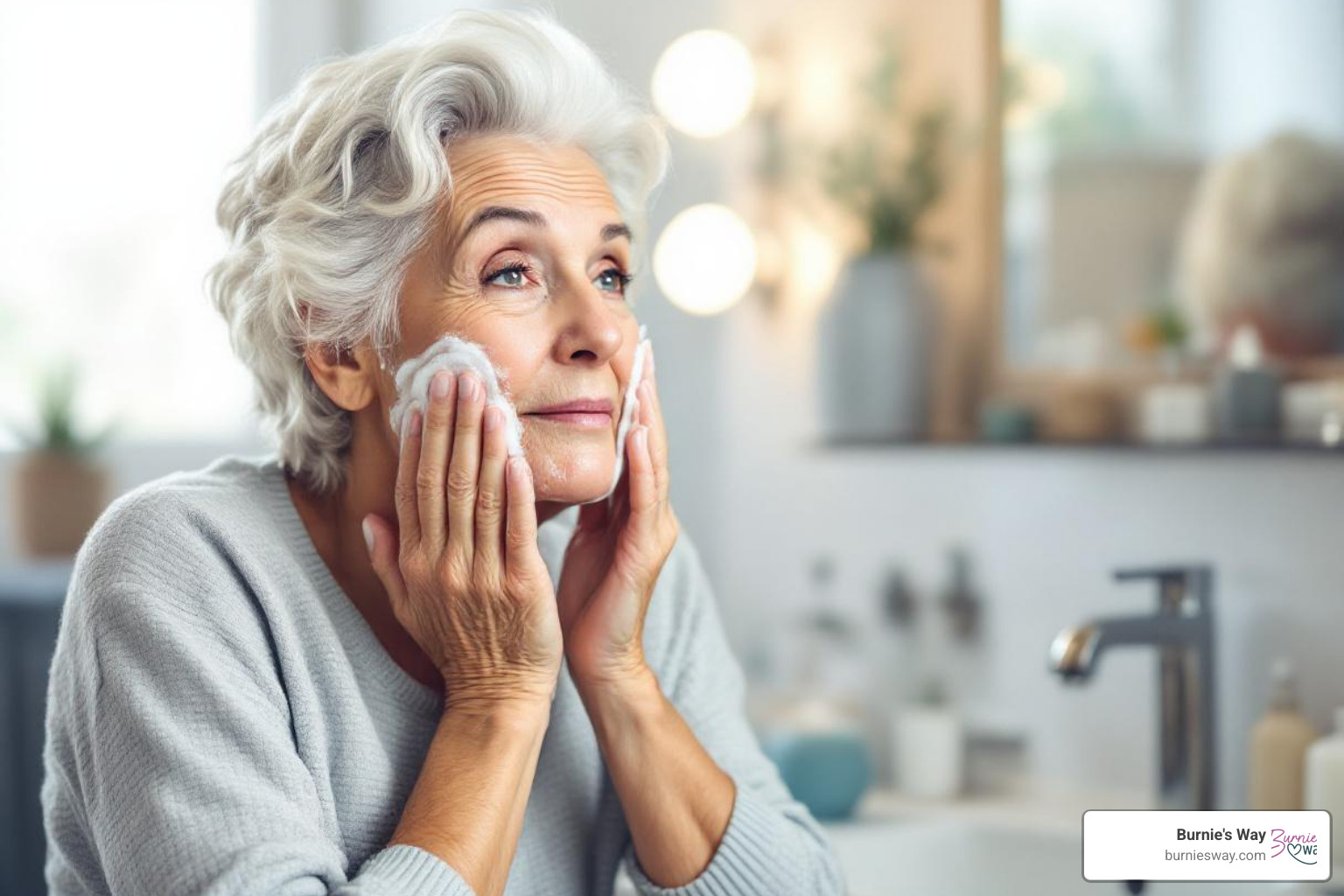
Why Personal Hygiene is a Pillar of Senior Well-being
Elderly personal hygiene encompasses more than just staying clean—it's about preserving health, dignity, and quality of life as we age. When personal care becomes challenging, it can lead to infections, skin issues, social isolation, and declining self-esteem.
Quick Overview: What You Need to Know
- Daily basics: Handwashing after toileting, daily face and genital washing, twice-weekly bathing, and twice-daily tooth brushing
- Common challenges: Mobility limitations, arthritis, fear of falling, memory changes, and decreased sense of smell
- Health risks: Skin infections, pressure sores, oral disease, UTIs, and social withdrawal
- Key solutions: Safety equipment (grab bars, shower chairs), adaptive tools (long-handled sponges, electric toothbrushes), established routines, and respectful assistance
- When to seek support: When safety becomes a concern, tasks feel overwhelming, or your loved one's independence is at risk
As people age, everyday tasks like bathing and grooming can become physically demanding and emotionally complex. Around 1 in 3 people experience troubles with basic hygiene as they get older. Physical limitations like arthritis or balance issues, cognitive changes, dulled senses, and even feelings of embarrassment can all make personal care more difficult.
Poor hygiene isn't just about appearance. It's a preventive health measure that protects against skin infections, tooth decay, malnutrition, and even depression. When seniors struggle with hygiene, it often signals they need support—not judgment.
For adult children watching a parent struggle, this can be heartbreaking and overwhelming. You want your loved one to stay independent, comfortable, and healthy at home. You need practical strategies that work, and sometimes, you need a trusted partner to help coordinate the daily support that makes independence possible.
This guide walks through the challenges, solutions, and compassionate approaches that help seniors maintain their personal hygiene with dignity—and gives families the insight and tools they need to provide the right kind of support.
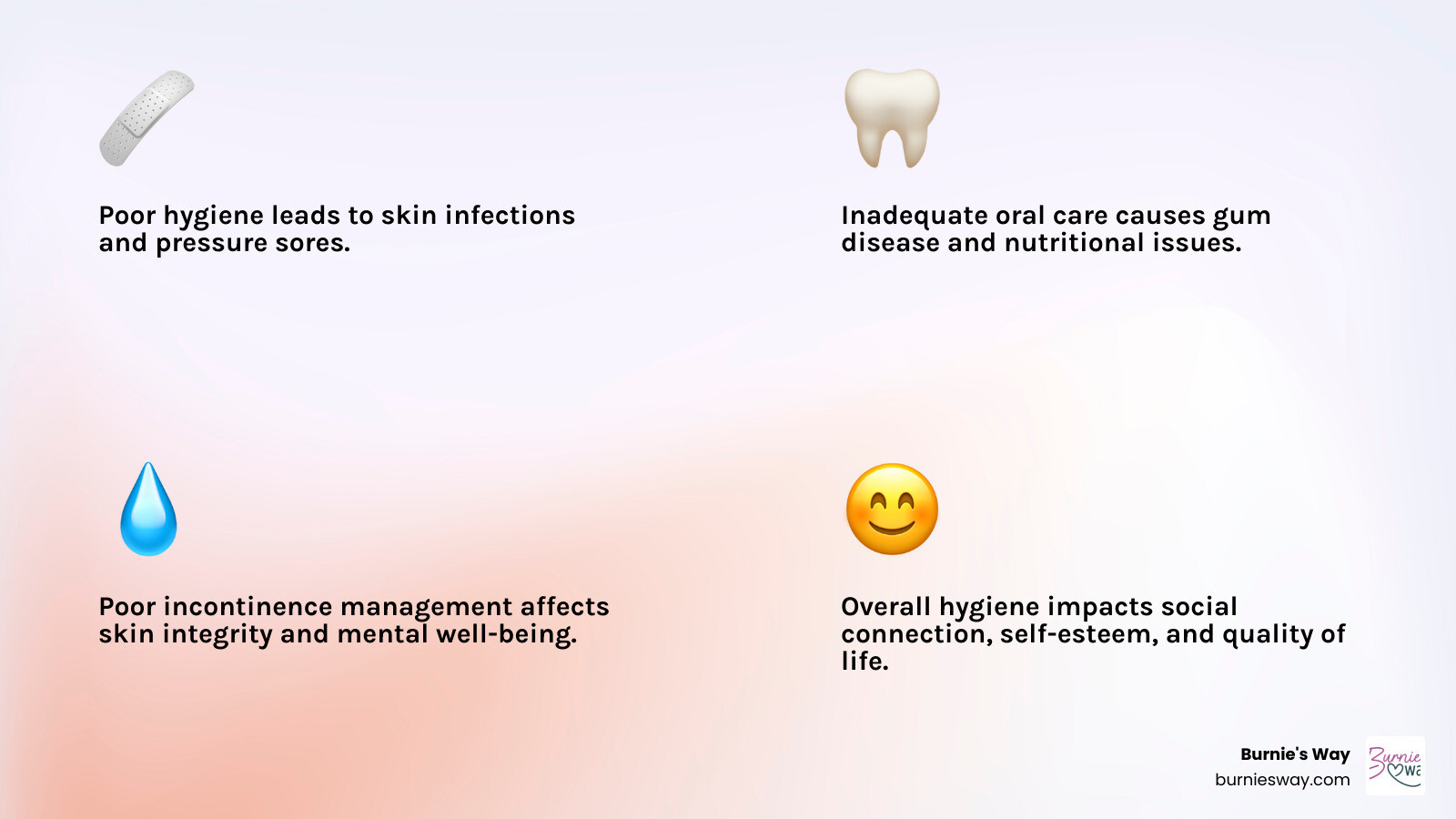
Elderly personal hygiene further reading:
Understanding the Problems: Common Challenges in Elderly Personal Hygiene
Maintaining personal hygiene is crucial for seniors' overall health and well-being, yet it's an area where many older adults begin to face significant challenges. These difficulties aren't always about a lack of desire to be clean; often, they stem from a complex interplay of physical, cognitive, and emotional factors. Understanding these underlying problems is the first step toward finding effective and compassionate solutions.
Physical and Sensory Barriers
As we gracefully steer the aging process, our bodies undergo changes that can transform once-simple tasks into formidable obstacles. One of the most common reasons elderly personal hygiene becomes challenging is due to physical limitations. Conditions like arthritis, chronic pain, and general fatigue can make standing in a shower, bending to wash feet, or even lifting arms to brush hair incredibly difficult, if not painful.
Mobility issues and balance problems are particularly concerning in the bathroom, a place notoriously prone to slip-and-fall accidents. The fear of falling can be so profound that some seniors intentionally restrict their bathing frequency, rather than actively seeking strategies to maintain their full bathing ability. This isn't just a physical avoidance; it's a preemptive measure born of anxiety. Imagine the stress of feeling unsteady on slippery surfaces, with low toilet seats and a lack of grab bars amplifying the risk.
Our senses also change with age. A decreased sense of smell, for instance, can lead a senior to be unaware of their own body odor, making personal hygiene seem less urgent. Similarly, vision loss can hinder their ability to spot dirt or grime, or safely steer their personal care products. These sensory shifts, combined with physical discomfort, create a formidable barrier to maintaining regular hygiene routines.
Cognitive and Emotional Factors
Beyond the physical, the mind plays a powerful role in our ability and motivation to maintain personal hygiene. Cognitive changes, such as memory loss or the onset of dementia, can profoundly impact a senior's hygiene habits. Forgetfulness might mean they simply don't remember when they last bathed, or they may even believe they have already completed the task. For individuals with Alzheimer's disease or other forms of dementia, poor personal hygiene is an incredibly common symptom. They might become confused by the process, fear the running water, or even hallucinate that the shower drain will pull them in.
Emotional factors also weigh heavily. Depression, loneliness, and anxiety can severely reduce a senior's motivation for self-care. When a person feels low, the energy required for bathing or grooming can feel overwhelming. Embarrassment also plays a significant role; the thought of needing assistance with such private tasks can be deeply humiliating, leading to resistance or avoidance. Seniors often desire to maintain control and privacy over their bodies and routines, and when that sense of autonomy is threatened, they may push back. It's not defiance, but a deeply human need for dignity.
Common Hygiene Concerns and Their Impact
When personal hygiene declines, it opens the door to a host of common health concerns. Skin health is paramount for seniors, as aging skin becomes more sensitive and fragile. Poor hygiene can lead to dryness, rashes, and discomfort. Without regular cleaning, especially in skin folds (such as under breasts, in the neck, or abdominal creases), moisture and bacteria can accumulate, leading to dangerous skin infections, which are among the most common infections in the elderly. For bedridden seniors, neglecting hygiene can quickly result in painful pressure sores.

Oral health is another critical area. Poor oral hygiene can result in bad breath, gum disease, and tooth loss. Beyond the immediate discomfort, research from the American Dental Association highlights that oral health is intrinsically linked to overall health, with poor oral hygiene contributing to conditions like heart disease. For those with dentures, improper care can lead to infections and discomfort, affecting their ability to eat and speak.
Finally, body odor, while seemingly minor, can have a significant impact. As a senior's sense of smell diminishes, they may be unaware of odors, but others will notice. At best, this can lead to an unkempt appearance; at worst, it can lead to social isolation, affecting a senior’s social life and overall quality of life. Extreme changes in bathing habits, bordering on self-neglect, can jeopardize a senior's health and well-being.
A Practical Toolkit for Assisting with Hygiene
Navigating the challenges of elderly personal hygiene requires a blend of practicality, patience, and compassion. Our goal is always to make hygiene routines safer, more comfortable, and as manageable as possible, fostering independence while providing necessary support.
Creating a Safe and Comfortable Bathroom
The bathroom, ironically, can be one of the most dangerous rooms for seniors. Slip-and-fall accidents are highly common, often due to wet floors, low toilet seats, and a lack of proper support. We believe that changing the bathroom into a safe and inviting space is a crucial first step.
- Grab Bars: Installing sturdy grab bars in and around the shower or tub, and next to the toilet, provides essential support for standing, sitting, and transferring.
- Non-Slip Mats: Place non-slip mats both inside and outside the shower or tub to prevent slips on wet surfaces.
- Shower Chairs or Benches: For seniors with mobility issues, chronic pain, or a fear of falling, a shower chair or bench allows them to bathe while seated, significantly reducing fall risk and conserving energy.
- Raised Toilet Seats: A raised toilet seat can add three to four inches to the toilet height, making it much easier for seniors to sit down and stand up.
- Good Lighting: Ensure the bathroom is well-lit to improve visibility and reduce confusion, especially for those with vision impairment.
- Warm Temperature: Keep the bathroom comfortably warm before, during, and after bathing. A chilly environment can make the experience unpleasant and lead to resistance.
- Home Adaptations: Consider consulting local social services, as they can sometimes provide home adaptations like handrails, commodes, or raised toilets, or connect you with resources to make these changes.
Remember to remove or disable bathroom door locks if there's any risk of a senior falling or becoming disoriented and unable to open the door, ensuring emergency access.
Essential Tips for Daily Elderly Personal Hygiene
Once the environment is safe, we can focus on the practical aspects of daily hygiene.
Bathing Options:
- Showers: For those who can manage, a shower with a chair, grab bars, and a handheld shower head (less frightening than an overhead one for some) is often preferred. Always ensure the water temperature is comfortably warm, not hot, to prevent burns.
- Sponge Baths: A sponge bath is an excellent alternative for seniors with limited mobility or those who find a full bath overwhelming. These can be done at the sink or in bed, ensuring privacy and warmth. Focus on one section of the body at a time, keeping the rest covered. A full shower or bath twice a week is typically sufficient for an elderly person, with sponge baths used in between.
- Bed Baths: For bed-bound seniors, bed baths are essential. Use warm water and gentle soap, thoroughly cleaning all body parts, especially crevices. After washing, pat the skin dry instead of rubbing and apply moisturizer to keep it hydrated.
Adaptive Tools: These tools can significantly boost independence and ease the burden for both seniors and their helpers:
- Long-handled sponges or brushes for easier reach.
- Electric toothbrushes for those with arthritis or tremors.
- No-rinse shampoos and body washes for days when traditional bathing is difficult.
- Easy-grip nail clippers or professional nail care services.
Grooming Tips:
- Hair Care: Gentle washing, regular combing, and styling hair to their liking can greatly impact a senior's confidence. For bed-bound individuals, bedside basin washes or dry shampoo can be life-savers.
- Nail Care: Regular nail care is vital to prevent accidental scratches and the spread of bacteria. Keep nails short and tidy, cleaning underneath them frequently. Pay attention to any changes in texture or appearance, as these could signal an infection.
- Foot Care: Feet are often neglected but are crucial for mobility. Regular cleaning, moisturizing, and checking for sores or changes are important, especially for seniors with diabetes. Professional foot care might be necessary.
- Oral Care: The American Dental Association recommends seniors see their dentist every six months. Encourage brushing teeth twice daily, flossing, and using mouthwash. For those with dentures, proper cleaning and storage are essential, along with regular checks for proper fit and gum health. Hydration is also crucial for preventing dry mouth.
Special Considerations for Assisting with Elderly Personal Hygiene and Memory Changes
Assisting someone with memory changes, such as those living with dementia, requires an extra layer of patience and a custom approach. Poor personal hygiene is a common symptom, not a deliberate act.
- Establishing a Routine: A consistent daily routine provides comfort and predictability. Try to schedule hygiene tasks at times of day when the senior is most cooperative and least agitated.
- Simple Instructions: Break down tasks into small, manageable steps. Instead of "Let's take a shower," try "Let's wash your face," then "Now your arms."
- Calm Communication: Approach the situation with a gentle, reassuring tone. Explain each step before you do it. If a senior becomes agitated, be prepared to stop and try again later. For some, a familiar song or quiet conversation can help create a more relaxing atmosphere.
- Managing Resistance: Resistance often stems from fear, confusion, or a desire for control. Avoid power struggles. If a senior refuses a full bath, suggest a partial sponge bath. Use "I" statements to express concern ("I feel worried about you") rather than accusatory language. Sometimes, providing choices (e.g., "Do you want to wash your hair first or your arms?") can help them feel more in control.
- Respecting Modesty: Many seniors, especially those with dementia, become self-conscious when undressed. Use a large towel to cover parts of the body not being washed, preserving their dignity. If looking in a mirror causes fear or confusion, consider covering it during hygiene tasks.
The goal is to ensure cleanliness while preserving the senior's dignity and emotional well-being, even if it means adjusting expectations.
Managing Continence and Laundry with Dignity
Continence issues and the resulting laundry challenges are sensitive topics that significantly impact a senior's hygiene, comfort, and dignity. We approach these areas with immense understanding, recognizing that urinary troubles affect around 1 in 3 people, and that these problems can cause skin issues, infections, body odor, and profound emotional distress like embarrassment and isolation.
Strategies for Continence Management
Effective continence management goes beyond simply changing soiled items; it's about proactive care and maintaining skin integrity.
- Skin Care: Regular and gentle skin care is crucial. When changing soiled continence aids, a quick wash and thorough drying of the skin, especially in delicate areas, can prevent skin breakdown and infections. Applying a protective barrier cream can also be beneficial.
- Toileting Schedules: For some seniors, establishing a regular toileting schedule can help prevent accidents and maintain continence. This might involve prompting them to use the toilet every few hours.
- Continence Products: A wide array of continence products is available, from disposable or washable pads to waterproof pants and bed covers. A continence adviser can provide guidance on the most appropriate items and equipment. These products, when used correctly and changed regularly, are vital for managing incontinence with dignity and preventing skin issues.
- Community Support Resources: We encourage families to explore resources like the National Association for Continence (NAFC), which offers directories of incontinence products and support. General Practitioners (GPs) can also refer individuals to specialists in incontinence, occupational therapy, or physical therapy, who can offer custom advice and solutions, including home adaptations like handrails or commodes to make accessing the toilet easier.
Best Practices for Laundry Hygiene
Laundry, especially when dealing with incontinence, can become a significant chore. However, maintaining clean clothing and bedding is fundamental to elderly personal hygiene and comfort.
- Handling Soiled Items: Soiled items should be handled promptly and hygienically to prevent odors and the spread of bacteria. Using disposable gloves and placing items in a designated, sealed bag or container until washing is recommended.
- Washing Recommendations: Wash soiled items separately from other laundry, using hot water and a suitable detergent to ensure proper disinfection. Consider adding a laundry disinfectant for extra measure.
- Disinfection: Regularly disinfect surfaces that come into contact with soiled items, such as laundry hampers or washing machine drums, to maintain a clean environment.
- Specialized Laundry Services: For many families, managing frequent loads of soiled laundry can be overwhelming. Some social services departments offer laundry services specifically for people with bowel/bladder problems or incontinence. You can ask your local services if they provide this kind of support. Often, they will conduct a needs assessment to determine eligibility and may charge for the service or only handle larger items like bedding. These services can significantly ease the burden and ensure consistent cleanliness.
Promoting Independence and Knowing When to Seek Support
At Burnie's Way, we believe that maintaining independence is paramount to a senior's well-being. Our role is to help coordinate daily life so elders can live the way they want, comfortably and confidently at home. This extends to personal hygiene, where fostering autonomy and knowing when to introduce additional support are key.
The Importance of Dignity, Patience, and Respect
Assisting with elderly personal hygiene is one of the most intimate acts of care, and it demands the highest levels of dignity, patience, and respect. It’s not just about getting the job done; it’s about preserving a person's sense of self-worth.
- Empathetic Communication: Approach conversations about hygiene with sensitivity. Instead of making demands, use phrases like, "We want to make sure you're comfortable," or "How can we make this easier for you?" If discussing sensitive topics like body odor, use "I" statements to express concern without judgment, such as, "I feel worried about you."
- Involving Seniors in Decisions: Whenever possible, involve seniors in decisions about their hygiene routine. Ask them about their preferred products, the time of day they like to bathe, or what parts of the process they can still manage independently. This respects their autonomy and can reduce resistance.
- Offering Choices: Simple choices, like "Do you want to use this soap or that one?" or "Would you prefer a shower or a sponge bath today?" can empower them and make the process feel less imposed.
- Maintaining Privacy: Always prioritize privacy. Close doors, use towels to cover parts of the body not being washed, and ensure the bathroom is a private space. Many seniors feel self-conscious when undressed in front of others.
- Fostering Independence: Our aim is always to help seniors do as much as they can for themselves. Even if it takes longer, allowing them to participate in tasks, such as washing their face or brushing their teeth, reinforces their capabilities and dignity.
We understand the emotional complexities involved in these situations. To learn more about our philosophy and commitment to dignified support, you can Read Our Story.
How Physical Activity and Support Systems Can Help
Promoting physical activity is a wonderful way to indirectly support a senior's ability to maintain hygiene. Regular movement, even gentle exercises like stretching, walking, yoga, or Tai Chi, can improve circulation, flexibility, and overall mobility. When a senior feels stronger and more agile, tasks like stepping into a shower or reaching for toiletries become less daunting. Physical activity also boosts mood and energy levels, which can increase motivation for self-care.
Beyond physical activity, building a robust support network is vital for families. Caregiving can be demanding, and emotional support for families is essential to prevent burnout. Having a network of friends, family, and professional resources means you’re not alone in facing these challenges. This network can provide practical help, emotional reassurance, and a much-needed break.
At Burnie's Way, we believe in partnerships. We work alongside families, helping to coordinate the resources and support that make daily life smoother. To understand how we collaborate with families to create effective and compassionate support systems, you can Learn how we work with families.
Exploring Personal Support and Coordination Options
There comes a point when daily routines, including elderly personal hygiene, become consistently challenging or even unsafe. Recognizing these complex needs and knowing when to seek external support is crucial for both the senior's well-being and the family's peace of mind.
- When Daily Routines Become Challenging: If you notice consistent signs like a decline in personal hygiene, poor nutrition, an unclean living environment, or safety concerns (e.g., frequent falls or near-falls in the bathroom), it might be time to consider additional support. These indicators suggest that the senior's current level of independence is being compromised.
- Educational Overview of Support Options: Many families initially consider in-home care services, which can provide direct assistance with personal care tasks like bathing and dressing. While Burnie's Way does not provide direct caregiving or healthcare services, we can help you understand these options and coordinate the personal support that fits best.
- Understanding Lifestyle Coordination: This is where Burnie's Way shines. We act as a personal concierge for aging adults, focusing on lifestyle coordination rather than direct care. We help organize daily life by connecting you with trusted resources and services. For instance, if a senior needs assistance with bathing, we can help coordinate reliable services from external providers. If laundry becomes too much, we can help arrange for specialized laundry services.
- How Personal Concierge Services Help Organize Daily Life: Our team helps manage schedules, facilitate appointments, and ensure that all aspects of daily living, including hygiene support, are seamlessly integrated. We empower seniors to live confidently and stay connected, providing peace of mind to families that everything’s okay. Our services are about enhancing independence, connection, and ease, without ever stepping into medical or direct caregiving roles.
When considering professional help, it's appropriate to explore options like assisted living facilities if a loved one's personal care needs become extensive and full-time. These communities often provide a full range of personal care services. For those who wish to remain at home, our role is to act as that central point of contact, coordinating various forms of personal support to keep life running smoothly.
To find how our personal support services can help organize daily life for your loved one, fostering their independence and comfort at home, you can Explore our personal support services.
Conclusion: A Partnership in Health and Dignity
Maintaining elderly personal hygiene is a cornerstone of overall well-being, directly impacting physical health, emotional stability, and social engagement. We've explored the myriad challenges seniors face—from physical limitations and cognitive changes to emotional barriers and specific hygiene concerns like skin issues and oral health.
The journey to support a senior's hygiene is not always easy, but it is one that can be steerd with compassion, practical strategies, and the right support. By creating safe bathroom environments, utilizing adaptive tools, establishing routines, and approaching every interaction with dignity, patience, and respect, we can help our loved ones maintain their cleanliness and self-esteem. Managing sensitive issues like continence and laundry also becomes more manageable and less stressful with thoughtful planning and access to appropriate resources.
At Burnie's Way, we understand that supporting seniors in living their best lives at home often involves coordinating various aspects of daily life. While we do not provide direct caregiving or medical services, our unique role as a personal concierge is to offer personalized support and lifestyle coordination. We act as a guide and helper, working with families to ensure that all necessary services—including those related to personal hygiene—are seamlessly arranged and managed.
Our mission is to help seniors live confidently and independently at home, providing peace of mind to families that their loved ones are well-supported in every aspect of their daily lives. Through thoughtful coordination and a heart-forward approach, we empower seniors to maintain their dignity and quality of life.
To learn more about how our services can help you or your loved one live confidently at home, supporting their independence and well-being, visit Learn more about how our services can help you or your loved one live confidently at home.