
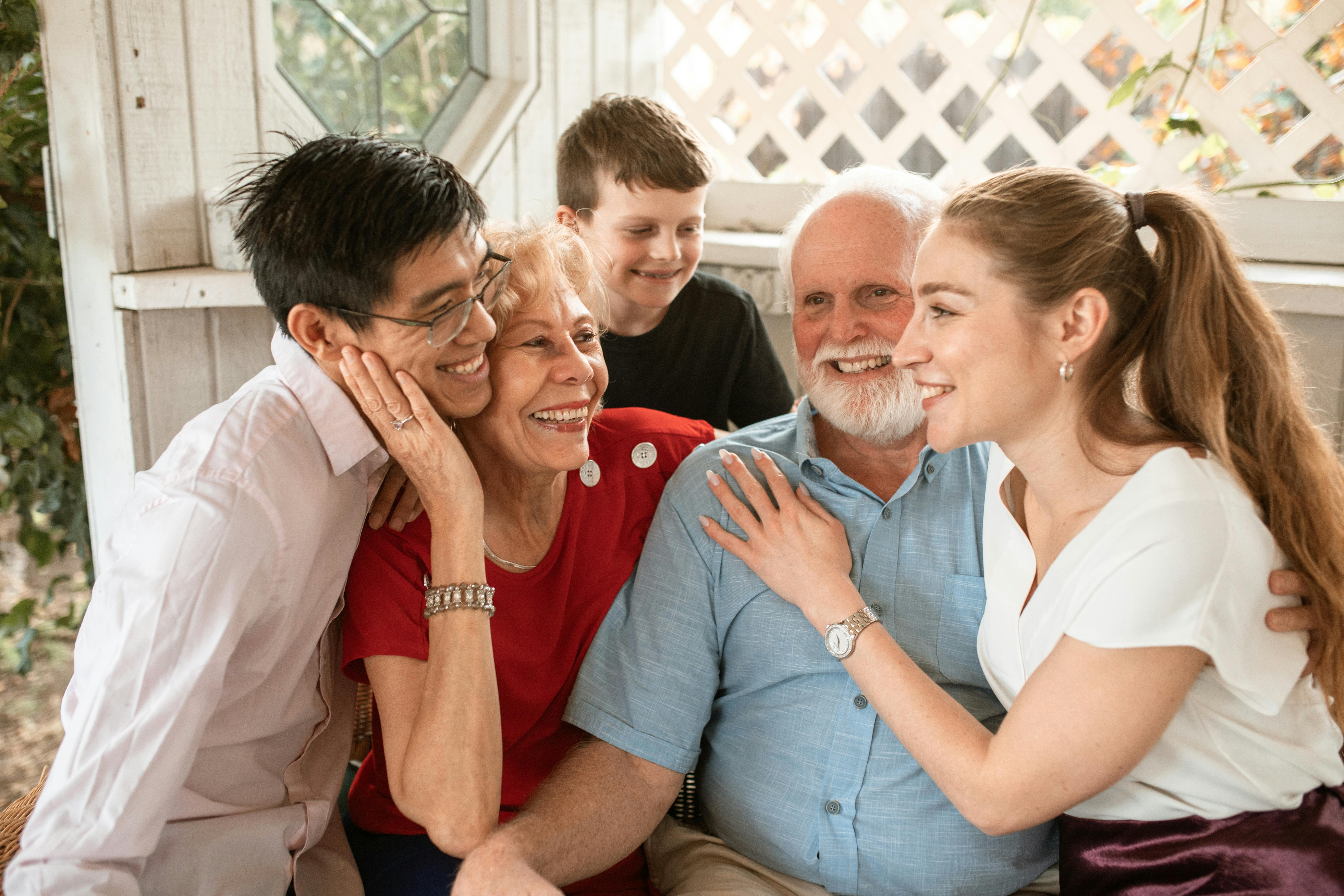
Why Family Focused Care Changes Everything for Aging Adults and Their Families
Family focused care is an approach to support where the whole family — not just the individual — is treated as the unit of support. Instead of one person managing everything alone, decisions, information, and coordination are shared across the people who matter most.
If you're trying to figure out what this means in practice, here's the short version:
- It centers the whole family, not just the person receiving support
- It replaces one-size-fits-all approaches with personalized, relationship-based coordination
- It improves outcomes — research links it to better communication, fewer avoidable crises, and higher satisfaction for everyone involved
- It works across ages and settings, from pediatric hospitals to aging adults living at home
- "Family" is self-defined — it can mean a spouse, adult child, close friend, or anyone the person trusts
For families trying to support an aging parent, this approach isn't just a philosophy. It's a lifeline.
Many adult children find themselves juggling work, their own households, and the growing complexity of helping a parent stay comfortable, connected, and confident at home. What's happening day to day? Who's coordinating everything? Is Mom actually okay? These questions don't have easy answers — especially from a distance.
Family focused care flips the traditional model. Instead of a provider making decisions and handing them down, everyone involved has a seat at the table. That includes the aging adult, their children, and anyone else in their circle of trust.
Research backs this up. Studies show that when families are genuinely included in decisions, outcomes improve, unnecessary emergency visits can drop, and both individuals and families feel more confident and less anxious. In fact, family-centered rounds — a practice where families are actively included in discussions — generate previously unknown but important information 45 to 90 percent of the time. Families notice things professionals miss.
That's not a small thing. That's the whole point.
Simple guide to family focused care:
Understanding the Core Principles of Family Focused Care
At its heart, family focused care (also known as patient- and family-centered care) is about a fundamental shift in perspective. It moves away from the idea that a professional is the sole "expert" and instead recognizes that the individual and their family possess unique, lived expertise that is essential for success.
According to the Family-centered care and the pediatrician's role. 3, 2003, Pediatrics, Vol. 112, pp. 691-696.http://pediatrics.aappublications.org/content/112/3/691, this model is built on a foundation of mutual respect and partnership. It isn't just a "nice to have" feature of a support system; it is a practical necessity that supports the well-being of the whole family.
Defining Family Focused Care Principles
To truly implement this model, we look at four core concepts that guide every interaction:
- Dignity and Respect: We listen to and honor the perspectives and choices of the individual and their family. Their knowledge, values, beliefs, and cultural backgrounds are incorporated into planning and support.
- Information Sharing: Professionals communicate and share complete, unbiased, and timely information in ways that are affirming and useful. Families receive the information they need to participate effectively in decision-making.
- Participation: Individuals and families are encouraged and supported in participating in decisions at the level they choose. This is particularly vital when developing custom care plans for aging parents.
- Collaboration: This is the "with" instead of "to" or "for." Families are included in program design, planning conversations, and the evaluation of services.
By focusing on these principles, we empower the family unit. This empowerment is a key driver in maintaining senior independence, as it builds a support network that is resilient, informed, and deeply connected.
The Evolution of Collaborative Support Models
The history of family focused care is a journey from isolation to integration. In the early 19th century, the first children's hospitals often restricted family involvement, viewing parents merely as visitors. However, over the last few decades, the healthcare industry realized that separating a patient from their support system was detrimental to recovery.
While the model has deep roots in pediatrics, it has evolved into a universal standard. The concept of the "medical home" emerged in the late 1960s, emphasizing a centralized, family-centered approach to primary care. Today, these concepts are being applied across the lifespan, proving that elderly care planning is most effective when it mirrors the collaborative spirit of pediatric care.
As noted in Family-Centered Care: Current Applications and Future Directions in Pediatric Health Care - PMCeditorialMatern Child Health J. 2011 Feb 12;16(2):297–305. doi:10.1007/s10995-011-0751-7Family-Centered Care: Current Applications and Future Directions in Pediatric Health CareDennis Z Kuo1,2,✉,Amy J Hout..., the evolution of this model is moving toward universal application. It is no longer "just for kids." Whether in a hospital in Virginia or a private home, the need for a collaborative partnership remains the same.
How Family Focused Care Differs from Traditional Models
Traditional support models are often "provider-centric." In these older systems, the professional makes the decisions, and the family is expected to follow instructions. This can lead to a narrow focus that addresses immediate issues but overlooks the person's lifestyle, emotions, and family dynamics.
In contrast, family focused care is relationship-centered. Here is how they compare:
- Decision Making: Traditional models are unilateral; family-focused models use shared decision-making.
- Information Flow: Traditional is one-way (professional to family); family-focused is a two-way dialogue.
- Definition of Success: Traditional success is often measured clinically; family-focused success is measured by quality of life and the confidence of the whole tribe.
- Role of Family: Traditional models see families as bystanders; family-focused models see them as co-equal partners and essential allies for communication and continuity.
Key Benefits of a Family Focused Care Approach
When we bring the whole tribe together, the results are measurable. Statistics show that 80–95% of families actually prefer to have discussions happen at the bedside or in a group setting rather than behind closed doors. This transparency builds trust and reduces the likelihood of errors or misunderstandings.
Implementing family focused care is correlated with:
- Decreased utilization of emergency resources.
- Smoother transitions for those returning home after a hospital stay.
- Significant increases in satisfaction scores for both the individual and their family members.
- Improved emotional well-being and reduced stress for family supporters.
Improving Outcomes for Seniors
For seniors, this approach is a powerful tool for maintaining independence. When a family is involved in senior care coordination, the aging adult feels more supported and less isolated. This emotional well-being is directly tied to overall quality of life.
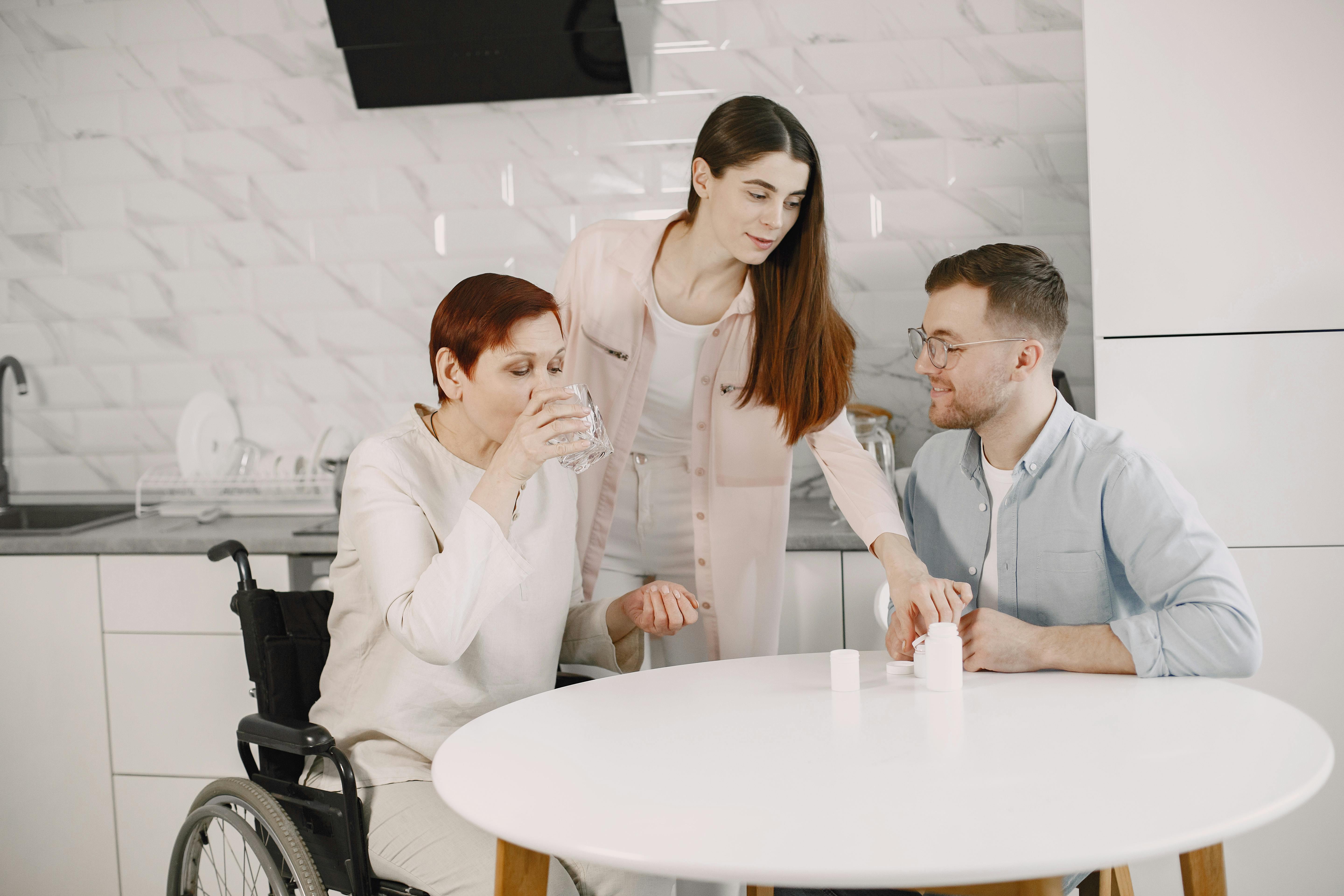
By utilizing comprehensive care plans, families can stay aligned around the "whole person." This includes not just practical needs, but also social connections, hobbies, preferences, and the desire to remain at home. We aren't just managing a schedule; we are supporting a lifestyle.
| Feature | Traditional Model | Family Focused Approach |
|---|---|---|
| Primary Focus | Task and Symptom Management | Relationship and Quality of Life |
| Family Role | Restricted or Passive | Active Partner and Expert |
| Information | Shared on a "need to know" basis | Open, timely, and complete |
| Outcomes | Clinical stability | Independence and Tribe Well-being |
| Communication | Formal and infrequent | Continuous and collaborative |
Implementing Collaborative Strategies in Daily Life
Bringing family focused care into your daily routine doesn't require a medical degree. It requires a commitment to communication and partnership. In primary care settings, this often looks like "family-centered rounds," where all parties meet to discuss the day’s goals and longer-term plans.
At home, this looks like regular "tribe meetings." We suggest using these strategies to keep everyone on the same page:
- Designate a "Point Person": While everyone is involved, having one primary contact for coordination can help streamline communication.
- Use Technology: Shared calendars or communication apps can help family members in different parts of the country stay informed about what's happening at home.
- Focus on Clear Communication: Always ask for explanations in plain language. If something isn't clear, use "teach-backs"—explaining the plan back to the professional to ensure you've understood it correctly.
Measuring Success in Family Focused Care
How do you know if the partnership is working? It’s more than just a feeling. Organizations often use the Family-Centered Care Self-Assessment Tool to evaluate their performance. On a personal level, you can measure success by asking:
- Does our aging loved one feel they have a voice in their daily life?
- Is the family feeling less "burned out" and more supported?
- Are we avoiding unnecessary emergency room visits because we caught issues early?
- Is the information we receive honest, unbiased, and easy to act upon?
Overcoming Common Barriers to Partnership
Despite the clear benefits, implementing family focused care can sometimes face hurdles. Systemic inertia—the "we've always done it this way" mentality—is a common barrier. Other challenges include:
- Time Constraints: Collaborative discussions take longer than simple instructions.
- Communication Gaps: Jargon and technical language can make families feel excluded.
- Privacy Concerns: Navigating how much information to share while respecting the individual's privacy requires careful negotiation.
- Trust Issues: Building a partnership takes time, especially if a family has had negative experiences in the past.
To overcome these, we recommend starting small. Focus on one area—like elder care support—and build trust through consistent, transparent communication. Advocacy is also key; don't be afraid to ask, "How can we be more involved in this decision?"
Frequently Asked Questions about Family Support
What is the main goal of family-focused care?
The primary goal is to support the well-being of the individual through a respectful partnership between the individual, their family, and the professionals involved. It aims to empower the whole tribe to make informed decisions that support a high quality of life.
How does family involvement improve senior independence?
When a senior has a strong, informed support network, they are less likely to experience the "crisis moments" that lead to a loss of independence. Family involvement ensures that small issues (like a change in appetite or a trip hazard) are addressed before they become major problems. It provides the safety net that allows them to live confidently at home.
What are the four pillars of family-centered care?
The four pillars are Dignity and Respect, Information Sharing, Participation, and Collaboration. These concepts ensure that the family is treated as an essential part of the support team, rather than an afterthought.
Conclusion
At Burnie's Way, we believe support should be as unique as the families we serve. We offer compassionate personal support for aging adults who want to live safely, comfortably, and independently in their own homes. With 50 years of experience, our personalized approach is built on the same collaborative principles we've discussed today.
Think of us as your personal lifestyle concierge. We are here to act as a virtual companion, an events coordinator, and a personal assistant — all wrapped into one. We don't provide caregiving or healthcare services; we provide the peace of mind that comes from knowing your loved one has thoughtful, day-to-day support and your whole tribe feels connected.
Whether you need help coordinating daily routines or want to explore family caregiver grants, we are here to guide you. Our mission is to help your loved ones live the way they want, while giving you the confidence that everything is okay.
Ready to see how a personalized partnership can change your family's daily life? We invite you to learn more about our personal support services and how we can help your tribe stay connected and strong.