
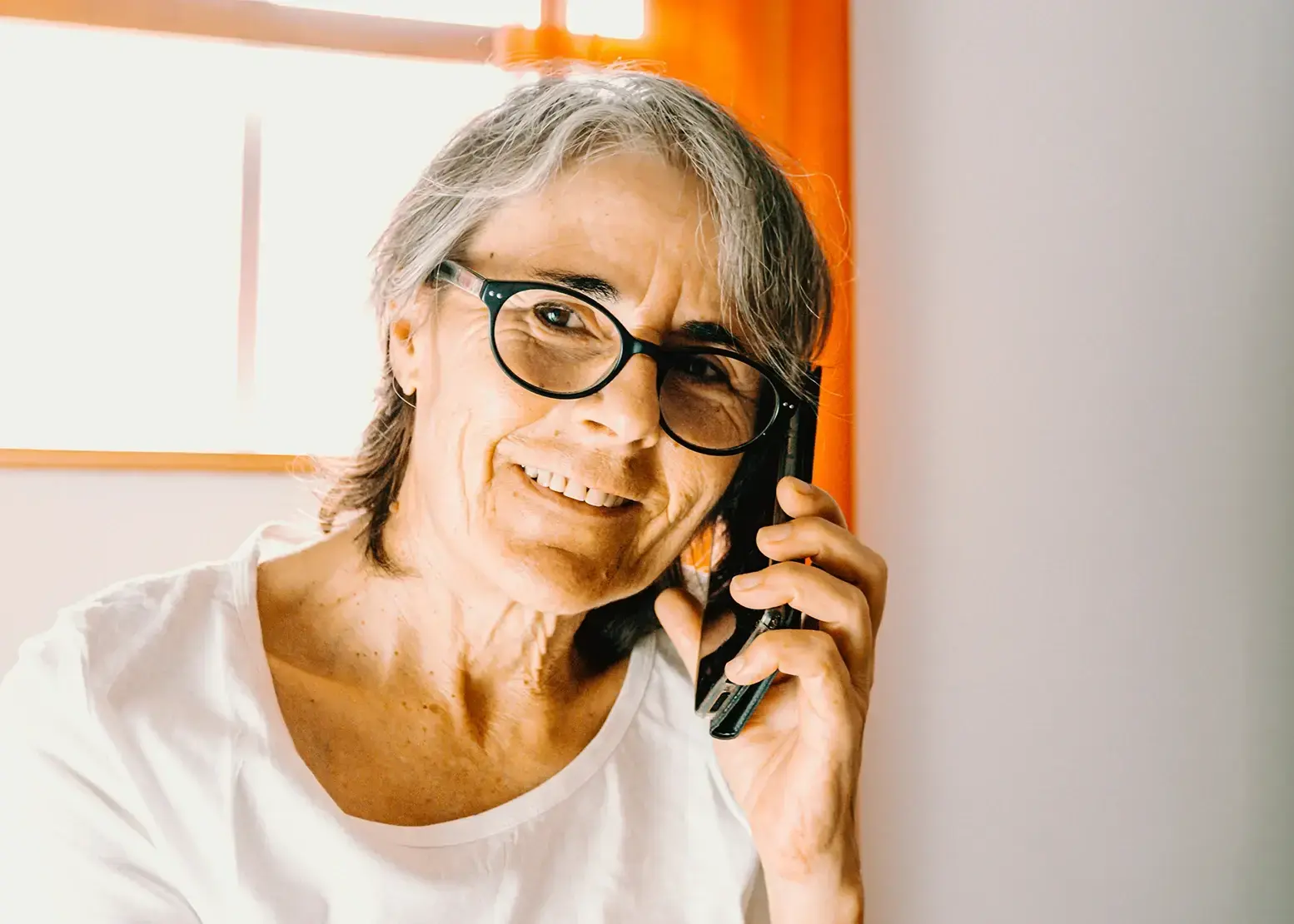
When You're Searching for Help for Elderly People, Start Here
Finding help for elderly people can feel overwhelming — especially when you're trying to balance your own life while making sure a parent or loved one is safe at home.
You're not alone. According to AARP, more than 75% of adults over 50 want to stay in their own home as they age. But staying home safely often means getting the right support in place before a crisis happens.
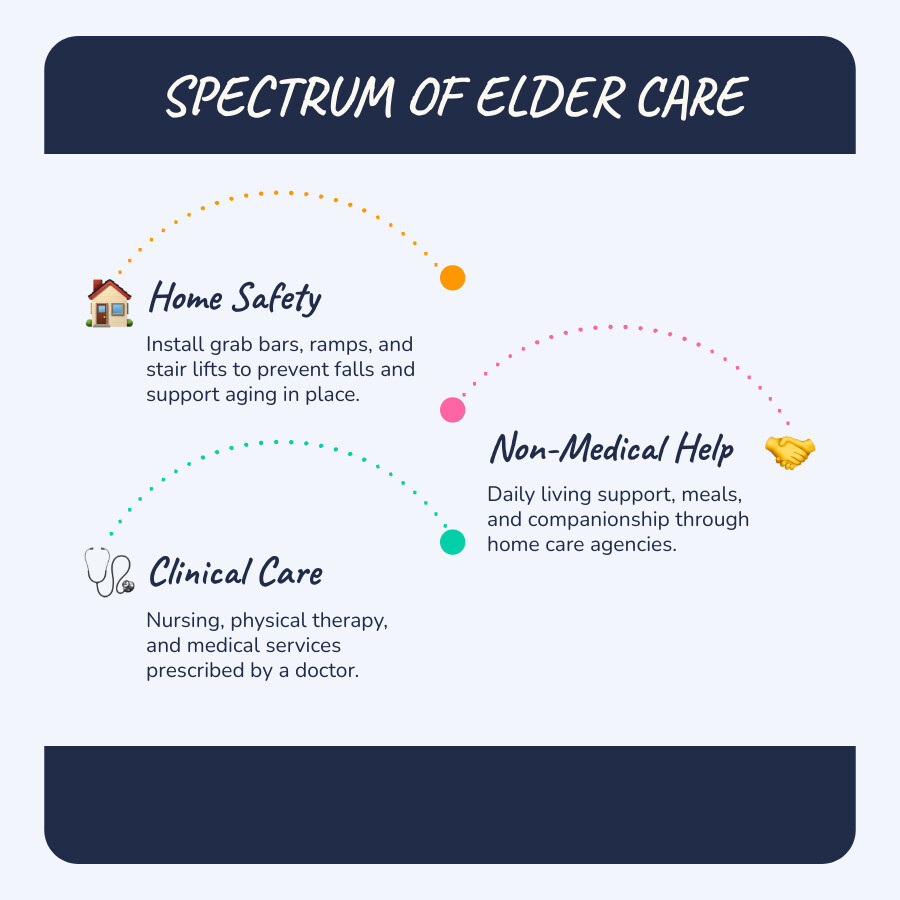
Here's a quick overview of the main types of help available:
- Home safety modifications — grab bars, stair lifts, ramps, bathroom upgrades, and fall prevention (this is what Burnie's Way does in the Richmond, VA area)
- Non-medical home care — help with bathing, dressing, meals, and companionship from a home care agency
- Clinical home health care — nursing, physical therapy, and wound care prescribed by a doctor
- Government and community programs — Meals on Wheels, transportation, respite care, and Area Agencies on Aging
- Financial assistance — Medicare, Medicaid waivers, Veterans benefits, and long-term care insurance
This guide walks you through all of it — from spotting the early warning signs that a senior needs help, to understanding costs, local Richmond-area resources, and how to vet anyone you bring into your loved one's home.
If your main concern right now is whether your parent's home is actually safe to age in, Burnie's Way offers a free in-home senior safety assessment for families in Richmond, Henrico, Chesterfield, and surrounding areas. It's a great no-pressure first step.
Easy help for elderly people word list:
Recognizing the Signs: When Do Seniors Need Help?
It is not always easy to tell when an aging parent or relative needs extra assistance. Many seniors value their privacy and independence so deeply that they may hide their daily struggles or minimize physical pain to avoid worrying their families.
However, waiting for a serious fall or a medical emergency before looking for help for elderly people can limit your options and cause unnecessary stress. Recognizing the subtle changes in their physical abilities, memory, and home environment is the key to proactive planning.
To help you evaluate your loved one's current situation, refer to this guide from the National Institute on Aging: Does an Older Adult in Your Life Need Help? | National Institute on Aging .

10 Warning Signs a Senior Needs Help at Home
- Frequent Falls or Balance Issues: Finding unexplained bruises, reaching for walls or furniture while walking, or experiencing "near-misses" on stairs.
- Difficulty Navigating Stairs: Avoiding the second floor entirely or showing visible anxiety when using steps.
- Neglected Home Maintenance: Mail piling up, dead lightbulbs left unchanged, or uncharacteristically messy living areas.
- Poor Personal Hygiene: Infrequent bathing, wearing the same clothes for multiple days, or a noticeable change in grooming habits.
- Unexplained Weight Loss: A fridge filled with expired food, difficulty cooking, or a sudden loss of appetite.
- Missed Medications: Forgetting to take critical prescriptions or mixing up pill organizers.
- Social Isolation: Withdrawing from hobbies, skipping church or community events, or spending days without speaking to anyone.
- Changes in Driving Habits: New dents on the car, getting lost on familiar routes, or hesitation to drive at night.
- Cognitive Confusion: Forgetting recent conversations, repeating questions frequently, or struggling to manage household bills.
- Unmanaged Chronic Pain: Hesitation to stand up, slower movement, or grimacing during simple tasks like carrying groceries.
Assessing the Need for Help for Elderly People in Richmond Homes
When we evaluate whether a senior can safely age in place, we look closely at two main categories: Activities of Daily Living (ADLs) and Instrumental Activities of Daily Living (IADLs).
ADLs are basic self-care tasks such as bathing, dressing, toileting, eating, and moving from a bed to a chair. IADLs are more complex tasks necessary for independent living, including managing finances, shopping, cooking, taking medications correctly, and maintaining the home.
In the Richmond metro area—from the historic homes in the Fan and Ginter Park to the sprawling suburbs of Henrico County and Chesterfield County—the layout of the home plays a massive role in safety. Many older Richmond properties feature steep, narrow staircases, high-threshold bathtubs, and uneven entryways that present serious physical hazards to a senior struggling with ADLs.
If you notice your loved one is struggling with these daily tasks, it may be time to explore Assistance Caring for Elderly Parents to see what structural or personal care changes can ease their burden.
Physical and Cognitive Warning Signs
Physical decline often happens gradually. A senior might start holding onto doorways for support or skipping their daily walks in the neighborhood. These small changes can quickly lead to muscle weakness and an increased risk of a catastrophic fall.
Cognitive changes, such as mild forgetfulness or early-stage dementia, can also compromise safety. For example, a senior might forget to turn off a hot stove or fail to notice a loose rug that presents a tripping hazard.
Furthermore, mental health concerns like depression are sometimes mistaken for normal aging. An older adult who is depressed may stop cleaning, eating properly, or maintaining their personal hygiene.
If you are noticing these changes in your family, reading our resource on Help Looking After Elderly Parents can help you initiate compassionate, productive conversations about bringing in support.
Navigating In-Home Support and Safety Solutions
As seniors age, maintaining a balance between personal autonomy and necessary physical support is essential. According to Harvard Health research, independent living is highly achievable when the right home modifications and care models are put in place: Independent living with home care assistance: Balancing autonomy and support - Harvard Health .
Many families assume that the only way to keep a senior safe is to hire a full-time caregiver or move them to an assisted living facility. In reality, a combination of physical home safety modifications and targeted in-home support is often more effective, less invasive, and far more affordable.

Comparing Senior Care and Home Safety Solutions
| Support Type | Primary Focus | Best For | Typical Provider |
|---|---|---|---|
| Home Safety Modifications | Structural changes to eliminate fall hazards and physical barriers | Seniors who want to navigate their home independently without constant supervision | Burnie's Way |
| Non-Medical Home Care | Assistance with personal hygiene, meals, light housekeeping, and companionship | Seniors who need hands-on help with ADLs but do not require clinical medical attention | Local Home Care Agencies (Referral Partners) |
| Clinical Home Health Care | Medical treatments, physical therapy, wound care, and medication administration | Seniors recovering from surgery, stroke, or managing severe chronic illnesses | Medicare-Certified Home Health Agencies |
Non-Medical Home Care vs. Clinical Home Health Care
It is important to understand the distinct differences between non-medical home care and clinical home health care.
Non-medical home care focuses on daily living support. Caregivers (often called personal care aides or companions) assist with tasks like meal preparation, light cleaning, laundry, grocery shopping, and driving to appointments. They also provide valuable social interaction to prevent isolation.
If your loved one primarily needs help with these non-clinical tasks, you can learn more about finding local companion options through Elderly Companions Near Me or explore general In-Home Elderly Help.
Clinical home health care, on the other hand, must be prescribed by a physician. This service is provided by licensed medical professionals, such as registered nurses (RNs), physical therapists, or occupational therapists. It is typically a short-term service designed to help a senior recover from a medical event, manage a wound, or adapt to a new physical limitation.
Note: Burnie's Way is not a home care agency. If your loved one needs hands-on personal care or nursing, we are happy to connect you with trusted, high-quality home care agencies in the Richmond area. Our focus is entirely on securing the physical environment so that these caregivers—and your loved one—can move around the home safely.
Specialized Services: Home Safety Assessments and Aging-in-Place Modifications
For many seniors, the biggest threat to their independence is not their health, but their home. A single fall in the bathroom or on the stairs can permanently alter an older adult's quality of life.
This is where specialized home safety assessments and aging-in-place modifications make a massive difference. At Burnie's Way, we look at the home through a clinical and structural lens to identify hidden dangers.
Our free in-home senior safety assessment evaluates lighting, flooring, stairways, entryways, and bathrooms to pinpoint high-risk areas. We then design and install custom modifications to eliminate these risks, including:
- Bathroom Safety: Installing slip-resistant flooring, walk-in tubs, and low-threshold showers.
- Grab Bars: Placing heavy-duty, professionally anchored grab bars in showers, next to toilets, and near entryways.
- Stair Lifts: Installing smooth, reliable motorized lifts to make multi-story homes accessible again.
- Ramps and Door Widening: Modifying entryways to accommodate walkers and wheelchairs.
To understand how physical modifications can reduce the need for expensive daily care, read our complete guide on Help for Seniors Living at Home.

Understanding the Costs and Payment Options for Senior Care and Home Modifications
One of the most stressful aspects of arranging help for elderly people is figuring out how to pay for it. Costs can accumulate quickly, and navigating the rules of Medicare, Medicaid, and private insurance can feel like learning a foreign language.
To help you understand the broad range of national and state-level care costs and payment options, consult this guide: Services for Older Adults Living at Home | National Institute on Aging .
How Much Does Help for Elderly People Cost?
The cost of senior care varies dramatically depending on the level of support required:
- Non-Medical Home Care: In the Richmond, VA area, non-medical home care agencies typically charge by the hour, with rates generally ranging from $28 to $38 per hour. If a senior requires just 20 hours of care per week, this can easily cost over $30,000 per year.
- 24/7 Live-In Care: For seniors who cannot be left alone, round-the-clock care can exceed $150,000 annually.
- Home Modifications (Burnie's Way): Unlike ongoing monthly care fees, home modifications are a one-time investment. Simple upgrades like professional grab bar installations cost relatively little, while larger projects like stair lifts or bathroom remodels range from a few thousand dollars to more significant structural investments.
When you compare the one-time cost of modifying a home to the recurring monthly expenses of assisted living (which averages over $5,000 a month in Richmond), aging-in-place modifications offer an incredible return on investment. They allow your loved one to remain in their beloved home while keeping long-term care costs manageable.
For more details on budgeting and planning for these changes, see our resource on How to Care for an Elderly Person at Home and explore our comprehensive Elder Care Help library.
Navigating Medicare, Medicaid, and Private Insurance
Understanding what insurance will and will not cover is critical for financial planning:
- Medicare: A common misconception is that Medicare pays for regular in-home care or home modifications. In reality, Medicare does not cover non-medical home care, companion services, or structural home modifications (like ramps, grab bars, or stair lifts). It only covers short-term, doctor-prescribed clinical home health care from a certified agency.
- Medicaid: In Virginia, Medicaid offers long-term care waivers (such as the Commonwealth Coordinated Care Plus Waiver) that may help pay for personal care services and, in some cases, limited environmental accessibility modifications for low-income seniors who meet medical necessity criteria.
- Long-Term Care Insurance: If your parent has a private long-term care policy, it will often cover professional in-home care. Some policies also include a budget for home modifications if they are deemed necessary to prevent facility placement.
- Veterans Benefits: Veterans and their surviving spouses may qualify for the Aid and Attendance benefit, which provides additional monthly pension funds that can be used to pay for in-home care and home modifications.
- Financing and Grants: For families paying out of pocket, Burnie's Way offers flexible payment options to ensure safety upgrades can be completed before an accident occurs.
Government, Community, and Local Resources in the Richmond Area
You do not have to carry the entire weight of caregiving on your own. There are numerous state, local, and national programs designed to provide practical help for elderly people and much-needed relief for their families.
For general community program information, read our guide on Community Help for Elderly.
National and State-Level Support Programs
At the national level, the federal government's Eldercare Locator is an invaluable resource for finding localized assistance: Elder Care | Home . By calling this public service, families can quickly connect with community-based meals, transportation options, and local support networks.
In Virginia, the Department for Aging and Rehabilitative Services (DARS) oversees state programs that support independent living, protect older adults from abuse, and assist family caregivers: DARS - Virginia Department for Aging and Rehabilitative Services .
DARS works closely with local Area Agencies on Aging (AAAs) to deliver services directly to Virginia communities. You can read more about how these agencies operate in our guide on Helping Elderly in the Community.
Local Richmond Resources and Caregiver Support
If you live in the Richmond metropolitan area, several local organizations can help:
- Senior Connections (The Capital Area Agency on Aging): Serving Richmond, Henrico, Chesterfield, and surrounding counties, Senior Connections is the local hub for senior resources. They coordinate home-delivered meals (Meals on Wheels), offer insurance counseling (VICAP), provide caregiver support, and assist with local transportation options.
- NAMI Virginia: For seniors or caregivers dealing with mental health challenges, late-onset depression, or cognitive anxiety, NAMI Virginia provides excellent support groups, educational resources, and advocacy: Senior Resources - NAMI Virginia .
- Senior Services of Southeastern Virginia: While primarily serving the Hampton Roads region, this organization works in tandem with our statewide network to share best practices for senior transport and wellness: Senior Services of Southeastern Virginia .
To learn more about coordinating these local services with physical home safety, read our Helping Elderly in Their Homes Guide.
How to Choose Trustworthy Help for Elderly People
Inviting professionals into your loved one's home requires a high level of trust. Whether you are hiring a home care aide to assist with bathing or a contractor to install a stair lift, you must thoroughly vet their qualifications, background, and business practices.
Evaluating Home Safety Professionals and Care Agencies
When researching home modification contractors or care agencies, never hesitate to ask tough questions. A reputable provider will gladly provide proof of their credentials and references from local families.
Key Questions to Ask a Home Safety or Care Provider:
- Are you licensed, bonded, and fully insured to operate in the state of Virginia?
- Do you perform comprehensive criminal background checks and drug screenings on all employees who enter clients' homes?
- Do you have specific experience working with seniors, individuals with physical disabilities, or those with cognitive decline?
- Can you provide at least three local references from families who have used your services recently?
- Do you offer a clear, written estimate and a formal warranty on all labor and materials?
- How do you handle emergencies or service complaints if they arise?
At Burnie's Way, we believe in complete transparency. With over 50 years of experience serving Richmond-area families, our team is fully vetted, highly trained, and deeply committed to the safety and comfort of every senior we serve.
Prioritizing Home Safety and Accessibility
When selecting home safety modifications, focus first on the areas of the home where accidents are most likely to occur. The bathroom is statistically the most dangerous room in the house due to wet, slippery surfaces and hard fixtures.
Installing high-quality grab bars in the shower and next to the toilet is a quick, highly effective way to prevent falls. If your loved one lives in a multi-story home in Glen Allen, Midlothian, or Short Pump, a professional stair lift installation can restore safe access to their bedroom and bath without forcing them to move out of the home they love.
Frequently Asked Questions about Help for Elderly People
Does Medicare cover non-medical in-home help or home modifications?
No, traditional Medicare does not cover non-medical in-home help (such as companion care, meal preparation, or housekeeping) or structural home modifications (such as grab bars, wheelchair ramps, or stair lifts).
Medicare will only cover clinical, short-term home health care if it is prescribed by a doctor, deemed medically necessary, and provided by a Medicare-certified agency. Some private Medicare Advantage plans may offer limited home safety benefits, but standard Medicare treats structural home modifications as personal residential improvements.
What are the first steps to take when an aging parent in Richmond refuses help?
It is incredibly common for seniors to resist help because they fear losing their independence. The best approach is to have a warm, non-confrontational conversation. Avoid pointing out their failures; instead, focus on your desire to keep them safe and reduce your own worry.
A great, low-pressure first step is to suggest a free home safety assessment from Burnie's Way. Because we focus on the house rather than their personal physical limitations, seniors are often highly receptive to non-invasive safety upgrades like stylish grab bars or improved lighting. It feels like a home improvement project rather than a loss of autonomy.
How do I find local senior support services in Henrico or Chesterfield counties?
The best place to start is by contacting Senior Connections (The Capital Area Agency on Aging), which serves the entire Richmond metro area. They can connect you with local meal programs, transportation assistance, and support groups.
For physical home safety and fall prevention, you can contact the local home modification experts at Burnie's Way. We regularly serve families throughout Henrico, Chesterfield, Glen Allen, Midlothian, Short Pump, and surrounding neighborhoods.
Conclusion
Helping an elderly loved one age in place safely doesn't have to be a journey you take alone. By combining community resources, professional care partnerships, and targeted home modifications, you can ensure your parent remains independent, comfortable, and safe in their own home.
With 50 years of experience, Burnie's Way is proud to offer a compassionate, personalized approach to home safety in the Richmond, VA area. We don't believe in high-pressure sales pitches; we believe in practical, beautiful, and reliable safety solutions that protect seniors and give their families true peace of mind.
Ready to take the first step toward a safer home? Book your free in-home senior safety assessment with us today.
Explore our full range of home modification and safety services at Burnie's Way Services.