
Aging Gracefully: How to Help Elderly Loved Ones Stay in Their Homes

Why So Many Families Are Searching for Ways to Help Aging Loved Ones at Home
Helping the elderly in their homes is one of the most important — and most overwhelming — things a family can do. If you're trying to figure out where to start, here's a quick summary:
The most effective ways to help an elderly loved one stay at home include:
- Assessing home safety — fix fall hazards, improve lighting, add grab bars
- Coordinating daily support — meals, transportation, personal routines, household tasks
- Exploring financial options — Medicare, Medicaid, long-term care insurance, veterans' benefits
- Planning ahead — legal documents like power of attorney, backup care plans
- Supporting the caregiver — respite care, adult day programs, emotional support
- Knowing when to reassess — recognize signs that more intensive support may be needed
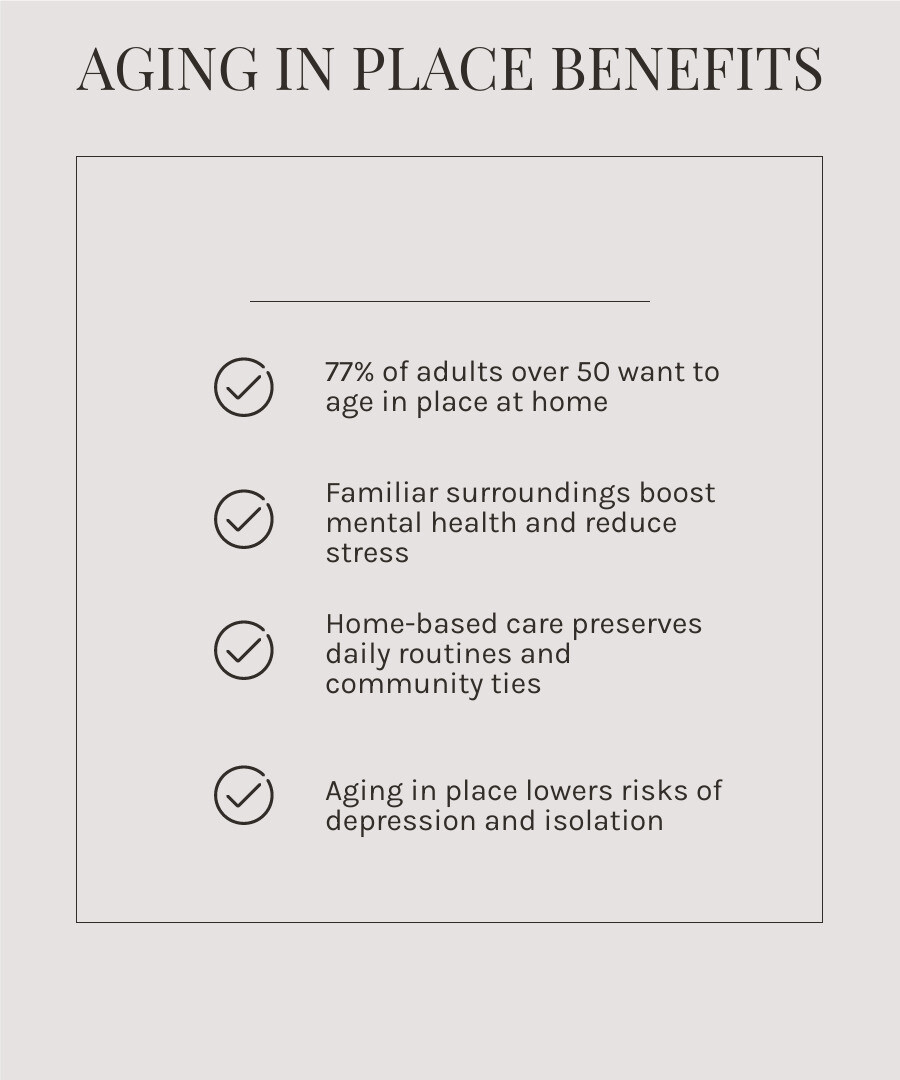
The desire to stay home as we age is nearly universal. According to AARP's research, more than three-quarters of adults over 50 say they want to remain in their own homes as they get older. It's not hard to understand why — home means familiarity, independence, and connection to the community and routines that make life meaningful.
But wanting to stay home and being able to safely stay home are two different things.
For adult children, the gap between those two realities can feel enormous. You might be juggling work, your own family, and the quiet worry that your parent isn't eating well, isn't safe in the bathroom, or is simply spending too many days alone. You want them to be okay — really okay — and you want to feel confident that the right support is in place.
The good news: aging in place is absolutely achievable for most older adults, especially with the right mix of planning, home adjustments, and coordinated support. You don't have to figure it all out alone.
This guide walks through everything families need to know — from home safety and daily living support to financial options and caregiver resources — so you can help your loved one live comfortably, confidently, and independently at home.
Basic helping the elderly in their homes glossary:
Helping the Elderly in Their Homes: The Benefits of Aging in Place
When we talk about "aging in place," we are referring to the ability of an older adult to live in their own home and community safely, independently, and comfortably, regardless of age or income level. As noted by the National Institute on Aging, this is the preferred path for the vast majority of seniors.
Why is this preference so strong? It often comes down to emotional well-being and a sense of control. Staying in familiar surroundings allows seniors to maintain their existing social networks—neighbors they’ve known for decades, the local pharmacy where the staff knows their name, and the comfort of their own furniture and garden. Research from Harvard Health suggests that this continuity can significantly boost confidence and quality of life.
Furthermore, helping the elderly in their homes can often be more cost-effective than moving to an assisted living facility or nursing home, which often require large up-front deposits and have long waiting lists. By staying home, seniors can customize their support schedules, paying only for the assistance they actually need rather than a flat facility fee.
Assessing Safety and Home Modifications
One of the biggest hurdles to staying home is the physical environment. A house that was perfect for a 40-year-old can become a series of "booby traps" for someone in their 80s. Falls are a leading cause of injury for seniors, but many are preventable with a few thoughtful changes.
We recommend a room-by-room assessment. Start with the "high-traffic" areas:
- Lighting: Ensure all hallways and stairs are brightly lit. Nightlights in the bathroom and bedroom are essential.
- Flooring: Remove throw rugs (a major trip hazard) or secure them with non-slip backing.
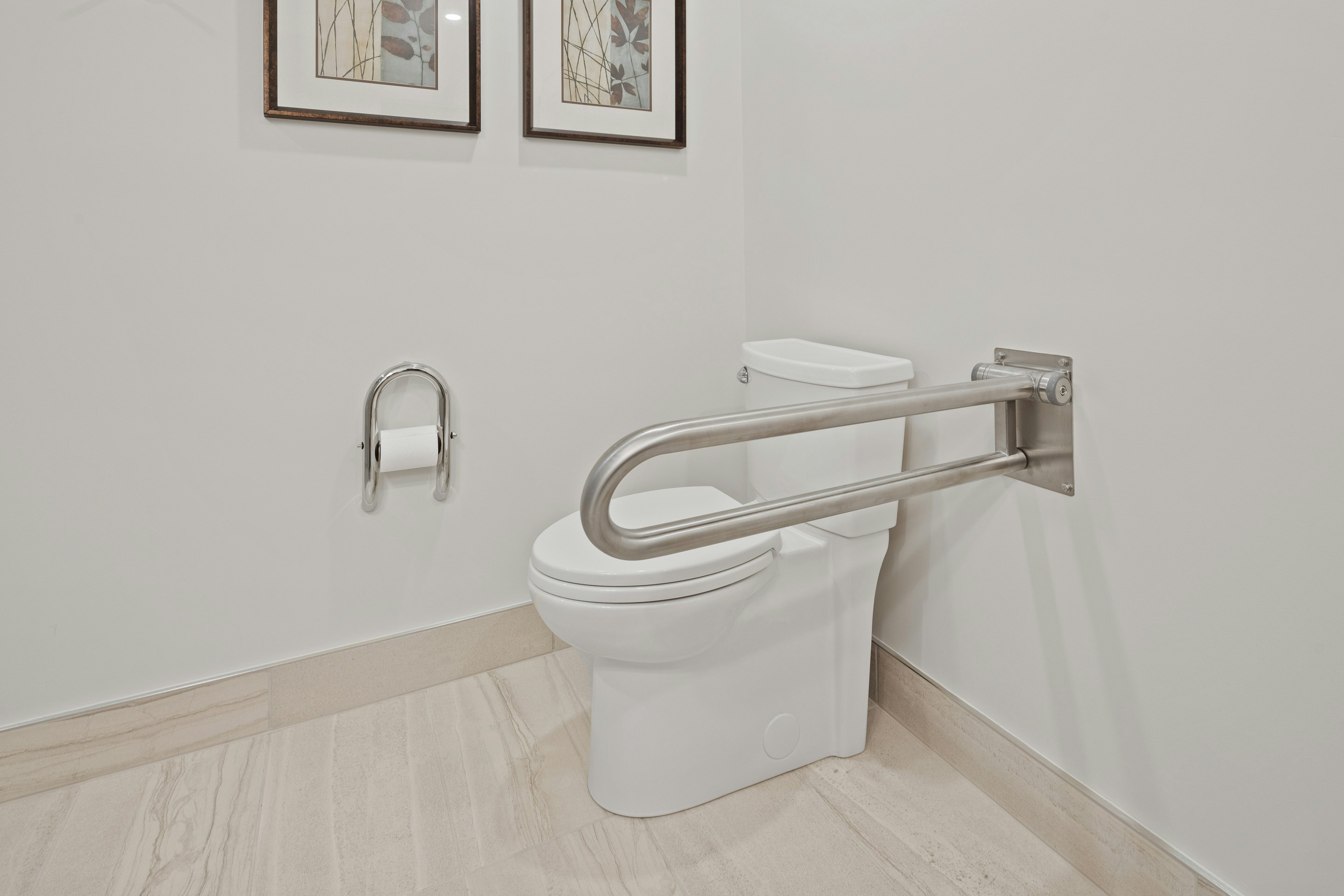
- The Bathroom: This is often the most dangerous room. Installing grab bars in the shower and near the toilet can make a world of difference.
For more detailed strategies, you can explore our resources on Fall Prevention Seniors and Elderly Home Modifications.
Minor vs. Major Home Modifications for Safety
| Modification Type | Examples | Estimated Impact |
|---|---|---|
| Minor (Low Cost) | Non-slip mats, brighter LED bulbs, clearing clutter, lever-style door handles. | High: Immediate reduction in trip and slip risks. |
| Moderate (Mid Cost) | Installing grab bars, adding handrails to both sides of stairs, raised toilet seats. | Very High: Provides physical stability in key areas. |
| Major (High Cost) | Wheelchair ramps, walk-in tubs, widening doorways, stair lifts. | Essential: Necessary for those with significant mobility limitations. |
Navigating Professional Support and Financial Options
Understanding how to pay for help is often the most stressful part of the process. Many families assume Medicare will cover everything, but there are strict limitations.
Medicare generally covers "home health services" only if they are medically necessary and the person is "homebound." This usually includes part-time or intermittent skilled nursing care or physical therapy. It typically does not cover 24-hour care, meal delivery, or "custodial care" (help with bathing and dressing) if that is the only help needed. Medicare limits for these services are often capped at 28 to 35 hours per week.
Other options to consider include:
- Medicaid: Varies by state but often offers "consumer-directed" programs that allow seniors to hire their own helpers.
- Long-Term Care Insurance: Some policies cover in-home assistance and even modifications.
- Veterans Benefits: Programs like "Aid and Attendance" can provide monthly payments to help cover the cost of support.
Managing these finances can be a chore in itself. If you're looking for help with the administrative side of things, check out our guide on Bill Paying Assistance or read more about the nuances of Long Term Care.
Understanding and Coordinating Daily Living Support
As a personal concierge service, we focus on the lifestyle and coordination side of helping the elderly in their homes. While we don't provide medical care ourselves, we are experts at helping families navigate the complex web of available services.
Personal Routines
Maintaining dignity often starts with personal hygiene. If a loved one is struggling with dressing or bathing, it may be time to coordinate with a specialized personal care provider. We can help you find and vet these professionals to ensure your loved one feels comfortable and respected. Learn more about Personal Care for Elderly at Home.
Household Chores
A clean home is a safe home. Dust, mold, or simply a cluttered hallway can lead to respiratory issues or falls. Coordinating regular Household Chores Help ensures the environment remains healthy and manageable.
Meal Planning and Nutrition
Proper nutrition is the fuel for independence. Many seniors stop cooking because it feels like too much work, leading to a diet of tea and toast. We can help set up Meal Preparation Assistance, whether that's coordinating with a meal delivery service or finding someone to help prep fresh ingredients for the week.
Coordinating Daily Support and Helping the Elderly in Their Homes
Transportation is the "key" to the community. When a senior stops driving, their world can shrink rapidly, leading to isolation. Helping the elderly in their homes often means helping them get out of their homes safely.
Whether it’s getting to medical appointments, visiting a friend, or Grocery Shopping for Elders, reliable transportation is vital. We act as a lifestyle coordinator to ensure these errands aren't just "tasks" but opportunities for engagement. For a bird's-eye view of how all these pieces fit together, see our Daily Living Assistance Complete Guide.
Empowering Family Caregivers and Planning for the Future
If you are the primary person providing help, you are a "family caregiver." It is a noble role, but it is also an exhausting one. To keep "aging in place" sustainable, you must take care of yourself too.
- Respite Care: This provides a short-term break for the primary caregiver. It could be for a few hours or a few days.
- Adult Day Care: These programs offer social activities, meals, and a safe environment during the day, allowing you to work or rest.
- Legal Planning: Don't wait for a crisis. Ensure documents like a Power of Attorney (both financial and healthcare) are in place. This allows you to advocate for your loved one when they can no longer do so themselves.
Using resources like our Family Caregiver Support Guide and Elderly Care Planning can help you build a team so the weight doesn't rest entirely on your shoulders.
Frequently Asked Questions about Helping the Elderly in Their Homes
How can family members get paid as caregivers?
Many families are surprised to learn that they can sometimes be compensated for the time they spend helping the elderly in their homes.
- Medicaid: Many states have "Participant-Directed" or "Consumer-Directed" programs where the senior can choose to pay a family member (sometimes even a spouse) to provide support.
- Veterans Benefits: The VA offers several programs, including the Veteran-Directed Home and Community-Based Services, which can provide a budget to pay for help, including family members.
- Long-Term Care Insurance: Some private policies allow for payments to family members, though you must check the specific "independent provider" clauses in the contract.
- Paid Family Leave: In certain states, you may be eligible for paid leave from your job to care for a family member with a serious health condition.
Does Medicare cover 24-hour home care?
The short answer is no. Medicare is designed for "acute" or "skilled" needs, not "long-term custodial" needs. While it may cover a home health aide for a few hours a week if they are also providing skilled nursing (like wound care), it does not cover 100% supervision or 24/7 help at home. If your loved one needs constant supervision due to wandering or advanced dementia, you will likely need to look at private pay, Medicaid, or long-term care insurance.
When is it time to consider alternatives to staying at home?
As much as we advocate for aging in place, there are times when the home is no longer the safest or healthiest option. Signs that it might be time to look at residential care include:
- Wandering: If a loved one with cognitive decline is leaving the house and getting lost.
- Frequent Falls: Even after home modifications, if falls continue to happen.
- Social Isolation: If the senior is becoming profoundly depressed or lonely despite efforts to stay connected.
- Caregiver Burnout: If the primary family caregiver’s own health (mental or physical) is failing due to the demands of support.
- Hygiene/Nutrition Decline: If the senior is no longer able to manage basic self-care even with significant outside help.
Conclusion
At Burnie's Way, we believe that "aging gracefully" isn't just a catchphrase—it’s a way of life that we’ve been supporting for 50 years. We aren't a medical provider or a traditional caregiving agency; think of us as your personal concierge and lifestyle coordinator.
Our mission is to provide the "connective tissue" that makes helping the elderly in their homes actually work. From coordinating trusted services to managing the small daily routines that keep life running smoothly, we provide the partnership and peace of mind that families need. We focus on connection, independence, and heart-forward support, ensuring our members live exactly the way they want to.
If you’re ready to move from "worrying" to "planning," we’re here to help. Explore our personal support services today and let's work together to make home the best place to be.