
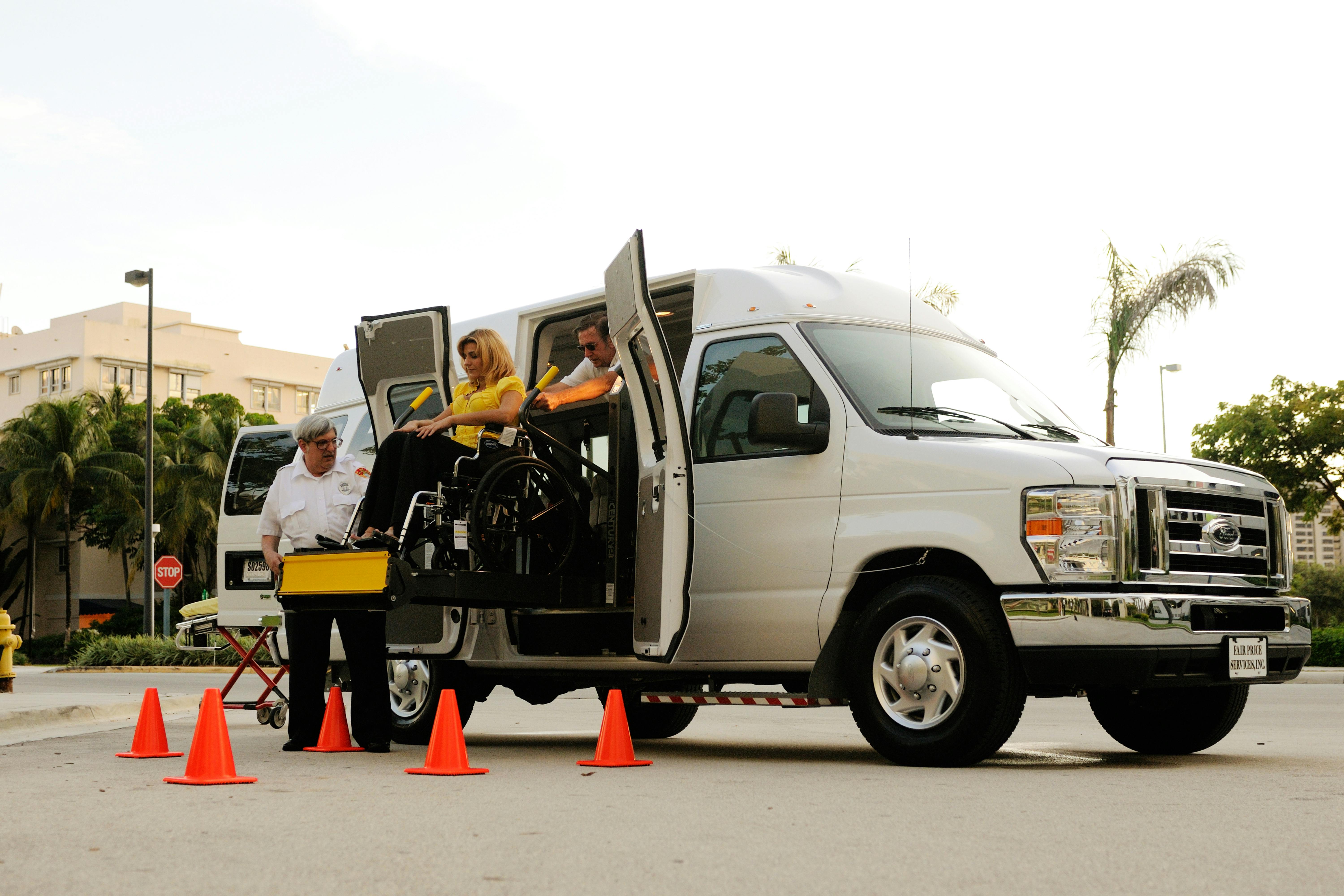
Why Senior Transportation Services Matter More Than You Think
Senior transportation services are programs and resources that help older adults get where they need to go — safely, affordably, and without relying on family members for every trip.
Here are the most common options available:
- Public transit — Fixed bus and rail routes, often with senior discounts
- Paratransit — Door-to-door shared rides for those who can't use regular transit (required under the ADA)
- Dial-A-Ride — Reservation-based local transport for seniors 60+
- Non-Emergency Medical Transportation (NEMT) — Medicaid-covered rides to medical appointments
- Volunteer driver programs — Free or low-cost rides through nonprofits and faith communities
- Ride-hailing services — Uber and Lyft, sometimes with phone-based booking assistance for seniors uncomfortable with apps
- Private senior care transportation — Accompanied rides integrated into personal support plans
Think about this: over 42 million family caregivers in the United States are currently providing rides for an older adult or someone with a disability. That's a staggering number — and it points to a real gap in how we support aging adults' mobility.
Losing the ability to drive isn't just an inconvenience. It can quietly chip away at a person's independence, social life, and access to basic needs. The good news? There are more options than most families realize.
This guide walks you through all of them — clearly and without the jargon.
Easy senior transportation services glossary:
Understanding Your Options for Senior Transportation Services
When a loved one hangs up the car keys, it shouldn't feel like they're losing their wings. In fact, many seniors find that using senior transportation services actually reduces their stress. No more squinting at road signs or worrying about parallel parking!
Public Transit and Paratransit
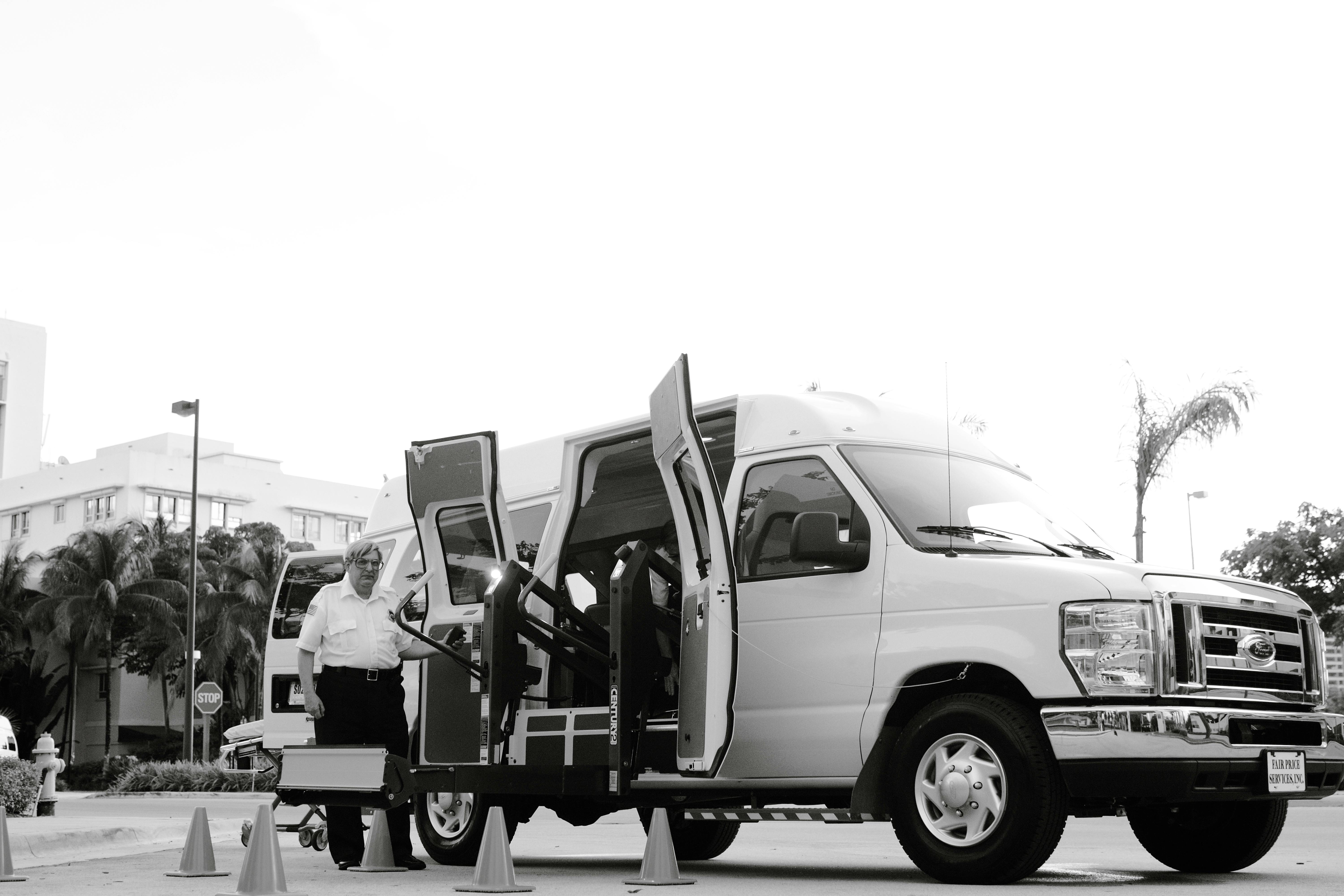
Most cities offer fixed-route buses and trains. While these are often the most affordable, they aren't always the most convenient for someone with a walker. That’s where paratransit comes in. Under the Americans with Disabilities Act (ADA), public transit agencies must provide "comparable" service for people who cannot use the regular bus. This usually means a small minibus that picks you up at your curb.
The National Aging and Disability Transportation Center is a fantastic resource for understanding these rights. That paratransit usually operates within three-quarters of a mile of regular bus routes during the same hours.
Volunteer Programs and Dial-A-Ride
Volunteer programs are the heart of many communities. These are often run by nonprofits or faith-based groups where neighbors drive neighbors. Because the driver is often the same person, it builds a lovely social connection. Dial-A-Ride programs are similar but usually run by the local government, offering "first-come, first-served" shared rides.
Microtransit and Door-to-Door Assistance
A newer player on the scene is microtransit. Think of it as a hybrid between a city bus and an Uber. You use an app (or call a number) to request a ride, and a tech-enabled shuttle picks you up. For those who need a little extra help, "door-through-door" assistance is the gold standard. Instead of just dropping you at the curb, the driver helps you out of your armchair, into the car, and into your doctor's waiting room.
| Feature | Volunteer Programs | Public Paratransit |
|---|---|---|
| Cost | Often free or donation-based | Small fee (e.g., $2.00) |
| Flexibility | High personal connection | Rigid schedules |
| Eligibility | Often age or income-based | Disability-based (ADA) |
| Assistance | Often door-to-door | Usually curb-to-curb |
Eligibility and Scheduling: What You Need to Know
Getting started with senior transportation services isn't always as simple as waving down a taxi. Most programs have a few "hoops" to jump through first.
Who Qualifies?
Most programs are designed for adults aged 60 or older. However, some programs have specific income requirements. For example, some "Senior Rides" programs require a low to moderate income (roughly not exceeding $5,216 per month for an individual). You can find a full breakdown of these benefits at Transportation Resources for Older Adults.
The "Advance Notice" Rule
Spontaneity can be tricky with specialized transport. Most programs require at least 2 to 5 business days of advance notice.
- In-county trips: Usually require 2–3 days' notice.
- Out-of-county trips: Often require 5 days' notice.
- Urgent needs: Some programs like "myride2" act as a concierge to find quicker options, but generally, the earlier you call, the better.
Limitations to Watch For
Be aware that many subsidized programs have "caps." You might be limited to 4 round-trips per month. There may also be geographic restrictions — for instance, a service might only drive you within a 10-mile radius of their main office.
Specialized Support for Every Destination
Not all trips are created equal. Sometimes you just need a gallon of milk; other times, you’re heading for a life-saving treatment.
Navigating Medical Senior Transportation Services
Non-Emergency Medical Transportation (NEMT) is a vital Medicaid benefit. If you are Medicaid-eligible, you can get rides to doctors, dentists, and pharmacies at no cost.
For those not on Medicaid, many senior transportation services offer specialized medical support. This includes help getting into the building or even having a companion sit with you during the appointment to take notes. This is crucial for managing complex health conditions where "doctor-speak" can get confusing.
Social and Recreational Senior Transportation Services
Independence isn't just about survival; it's about thriving. We see so many seniors hesitate to ask for rides to "fun" things because they don't want to "bother" their kids.
- Grocery Shopping: Many programs have dedicated "shopping shuttle" days.
- Religious Services: Faith-based volunteer groups often prioritize Sunday morning transport.
- Social Connection: Getting to a bridge club or a family birthday party is just as important for mental health as a check-up.
Did you know that transportation is the third-most common barrier to health services? When seniors can't get out, they risk social isolation and depression. Reliable rides are the antidote.
Finding Local Resources and Transitioning Safely
If you’re a caregiver in Virginia or anywhere in the U.S., knowing where to look is half the battle.
Where to Start Your Search
- Area Agencies on Aging (AAA): These are your local "hubs" for everything aging-related. They can point you to the exact programs in your county.
- Eldercare Locator: A public service of the U.S. Administration on Aging that connects you to local services.
- 211 Services: Simply dialing 2-1-1 on your phone can connect you with a community resource specialist who knows the local transport landscape.
- National Resources: Check out Transportation and Mobility for broader policy info and program finders.
The "Giving Up the Keys" Conversation
Deciding to stop driving is a major life transition. It’s often helpful to have a professional driver assessment to provide an objective view of safety.
When transitioning, we recommend a "trial run." Don't wait until the car is sold to try the bus or a volunteer service. Take a few trips together while the senior still has their car. This builds confidence and proves that the world is still accessible without a steering wheel in hand.
Frequently Asked Questions about Senior Mobility
How much do these services typically cost?
Costs vary wildly! Some volunteer programs are entirely free (though they may suggest a small donation). Public transit usually offers a half-fare for seniors. Specialized programs like CAC Transit might charge a flat fee of $2.00 each way, while private assisted transport might range from $3.00 to $6.00 depending on the county and number of stops.
Can I get help if I use a wheelchair or walker?
Absolutely. Most public paratransit and many private senior transportation services use lift-equipped vehicles. However, some volunteer programs use the drivers' personal cars, which might not accommodate a non-folding wheelchair. Always mention your mobility device when booking.
How do I find transportation in my specific county?
Start with your local Area Agency on Aging. If you are in Virginia, there are robust networks like the Valley Program for Aging Services that provide specific local directories. You can also use the Eldercare Locator online or call 1-800-677-1116.
Conclusion
At Burnie's Way, we believe that your zip code or your age shouldn't determine your freedom. While we aren't a medical provider or a traditional caregiving agency, we act as a personal concierge and lifestyle coordinator. We understand that "getting there" is just one piece of the puzzle.
Whether it's coordinating a trusted ride to a grandkid's graduation or helping you navigate the local paratransit application, we’re here to ensure you live life on your terms. Our goal is to provide that "virtual companion" support that gives families peace of mind and keeps seniors connected to the world they love.
Ready to reclaim your independence? More info about our services can help you or your loved one start this new chapter with confidence. Life doesn't stop when the driving does — it just takes a different route!