13 min read
Family Caregiver Support 101
Understanding the Role of a Family Caregiver Family caregiver support includes a wide range of resources, programs, and services designed to help...

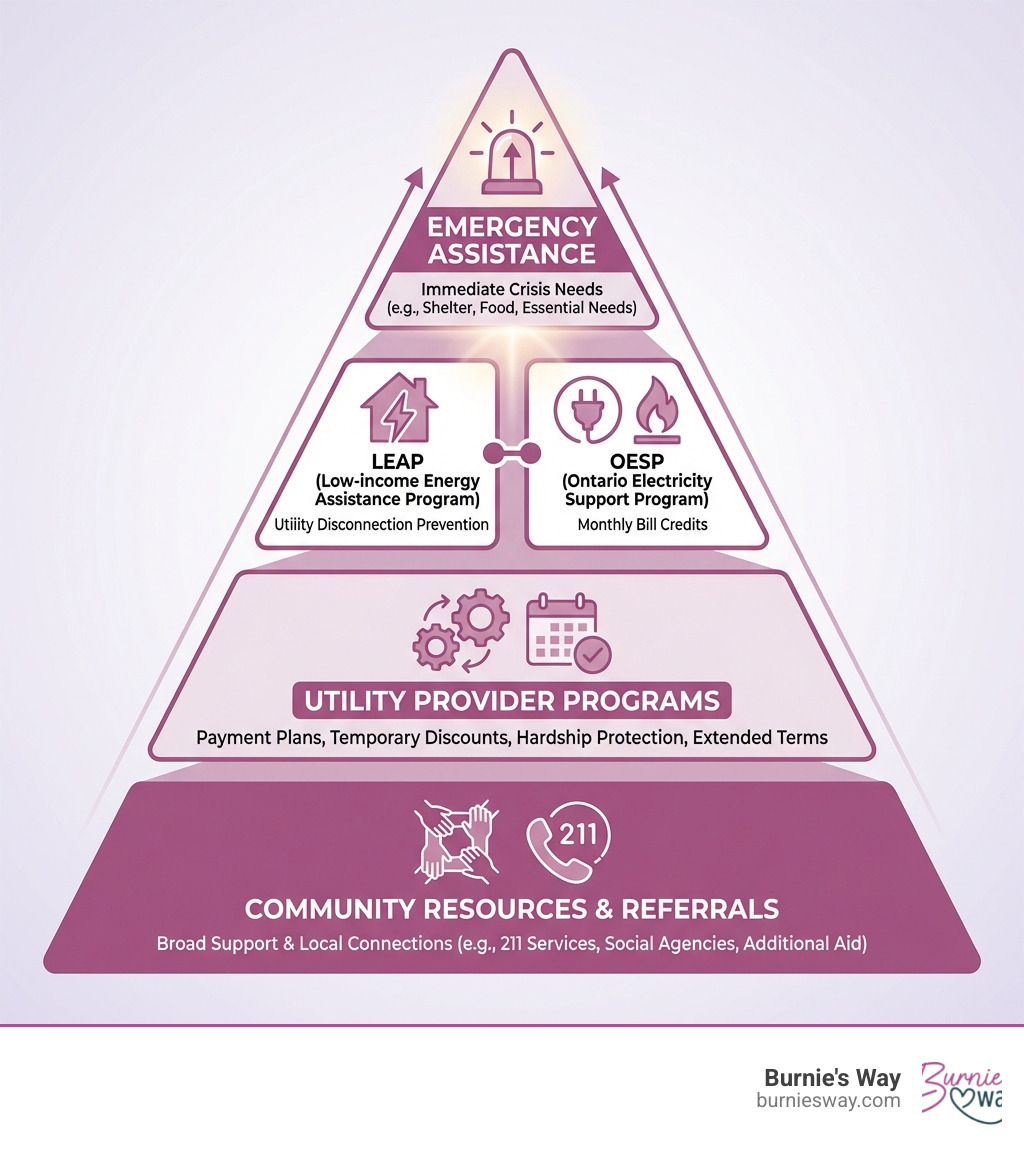
Bill paying assistance is available through government programs, utility providers, and community organizations to help individuals and families manage essential expenses during times of financial hardship. Whether you're facing a temporary crisis or ongoing challenges with utility bills, multiple resources exist to prevent disconnection and provide emergency financial support.
Quick Access to Bill Paying Assistance:
Keeping up with monthly bills is never easy, especially when unexpected expenses or income changes threaten your ability to pay for essentials like electricity, gas, and heating. Many families face this stress, worrying about service disconnection while trying to maintain dignity and independence at home.
The good news? You're not alone, and help is available. Multiple programs exist specifically to assist with utility bills and emergency expenses. From government-funded assistance to utility company protections, resources are in place to help you manage financial challenges without losing essential services.
For families supporting aging parents, managing bill payments adds another layer of complexity to an already overwhelming situation. Understanding what assistance is available - and how to access it quickly - can provide much-needed relief and peace of mind.

Bill paying assistance further reading:
Navigating the landscape of bill paying assistance can feel daunting, but we're here to help you understand the options. While some programs are region-specific (like those mentioned for Ontario in the quick access section), many similar resources are available across the United States, including right here in Virginia. Our goal is to empower you with the knowledge to find the support you need, ensuring essential services remain uninterrupted and your peace of mind is preserved.
When an unexpected financial crisis hits, immediate bill paying assistance can be a lifesaver. These programs are designed to provide temporary financial support for essential needs, helping you bridge the gap during difficult times.

In the United States, and specifically in Virginia, you'll find a network of federal, state, and local programs, as well as non-profit organizations, ready to offer support. Unlike the Ontario-specific emergency assistance programs, Virginia's approach involves a combination of state-administered aid and community-based initiatives.
If you're facing an emergency and need help with essentials like food, shelter, or utility bills, you might be eligible for various forms of temporary financial support. The specific amount you can receive will depend on your unique situation, household size, and income. For example, while the Ontario Works system might offer around $733 a month for a single person needing food and shelter, similar programs in Virginia would have their own income and asset qualifications.
A great starting point for finding emergency assistance is often your local Department of Social Services. In Virginia, the Energy Assistance (EA) - Virginia Department of Social Services provides programs to help with energy costs. Additionally, organizations like the Dollar Energy Fund operate in Virginia to help low-income households with utility assistance.
Many of these programs require documentation to verify your identity, residency, income, and the nature of your emergency. This typically includes:
The goal of emergency assistance is to provide a temporary safety net. These programs are not designed for long-term support, but rather to help you stabilize your situation while you work towards more sustainable solutions.
The Low-income Energy Assistance Program (LEAP), often referred to federally as the Low Income Home Energy Assistance Program (LIHEAP), is a crucial resource for many households struggling with heating and cooling costs. While the research provided details about Ontario's LEAP, the core principles of LEAP/LIHEAP are consistent across the US, including Virginia.
Eligibility for LEAP/LIHEAP is primarily based on two factors: your household size and your combined annual after-tax income. Each state sets its own income thresholds, usually tied to a percentage of the federal poverty level or state median income. For instance, a household with four people and an annual after-tax income of $65,000 might be eligible for a grant in some regions, but this will vary by state and specific program guidelines.
These programs offer emergency financial assistance, particularly if you are behind on your electricity or natural gas bill and face having your service disconnected. Customers who meet income eligibility can often get substantial assistance for their bills. For example, some programs provide up to $650 for electricity bills (or $780 if your home is heated electrically) and $650 for natural gas bills. These grants are typically paid directly to your utility company on your behalf, not as a direct cash payment to you.
To qualify and apply for LEAP/LIHEAP in Virginia, you would generally need to contact your local Department of Social Services. They can guide you through the application process and inform you of the specific income eligibility criteria for Virginia's programs. Having your documentation organized beforehand will significantly streamline the application process. We understand that gathering these documents can be time-consuming, and for older adults, it might present a particular challenge. This is where services that offer Household Chores Help can be invaluable, assisting with the organization and preparation of necessary paperwork.
Beyond emergency aid, proactive communication and leveraging community resources can prevent financial crises from escalating.
Utility Provider Communication: Your first line of defense should always be your utility provider. Many companies offer their own assistance programs for customers facing financial difficulty. These can include:
Don't wait until a disconnection notice arrives. Contact your electricity, gas, or water company as soon as you anticipate trouble. Explain your situation and ask about their available options. Our research indicates that many providers are willing to work with customers who communicate their challenges early.
211 Services: For comprehensive referrals to local assistance programs and social services, 211 is an invaluable resource. This free, confidential service connects you with local organizations that can provide bill paying assistance, food, housing, and other support. Simply dial 211 or visit their website to find services in your area. They can often direct you to specific programs for utility assistance.
United Way Resources: The United Way is another powerful ally in the fight against financial stress. Their "My Smart Money" initiative and local branches often provide resources and referrals for bill paying assistance, financial counseling, and other immediate needs (https://www.unitedway.org/my-smart-money/immediate-needs/get-help-paying-your-bills).
Charitable Referrals: Local churches, synagogues, and other charitable organizations frequently offer direct financial aid or can refer you to other community programs. These groups often have specific funds allocated for utility assistance or other essential bills.
Navigating these various resources can be complex, especially if you're already feeling overwhelmed. For older adults, having a trusted partner to help with these tasks can make all the difference. Burnie's Way does not provide financial aid or clinical services, but we can offer concierge-style personal support - for example, helping you get organized, keep track of deadlines, make calls, and coordinate with family members - so you can pursue every appropriate option for bill paying assistance with less stress.
Understanding the full spectrum of energy and utility support programs is key to maintaining essential services. These programs go beyond emergency aid, offering sustained relief for eligible households.
The primary federal program for energy assistance in the United States is the Low Income Home Energy Assistance Program (LIHEAP), administered by the U.S. Department of Health and Human Services. LIHEAP helps low-income households with their heating and cooling costs, as well as with energy-related home repairs. Each state, including Virginia, receives federal LIHEAP funds and then designs and administers its own program, often with unique eligibility requirements and application processes.
In Virginia, LIHEAP funds are distributed through the Energy Assistance Program, managed by the Department of Social Services. This program typically offers different components:
Beyond direct financial aid, many states and utilities also offer:
It's important to investigate what specific programs are available in your local Virginia community. The USA.gov Help with Bills page is a good general resource for finding state-specific programs.
Utilities recognize that some customers need extra support, and regulations are often in place to protect low-income individuals and families from service disruptions.
These customer service rules, often mandated by state regulatory bodies, are designed to ensure essential services remain accessible. Key protections include:
If you believe your utility provider has not followed these customer service rules, you have the right to file a complaint with the appropriate regulatory body in Virginia. This might be the State Corporation Commission (SCC) or a local consumer protection agency.
While assistance programs are vital, adopting sound financial management strategies can help prevent future bill payment crises and foster long-term independence.
1. Budget Billing: Many utilities offer budget billing, which averages your yearly energy costs into equal monthly payments. This eliminates seasonal spikes, making your monthly expenses more predictable and easier to manage.
2. Automated Payments: For recurring bills with consistent amounts, setting up automated payments through your bank or the utility's portal can prevent missed payments and late fees. This "set it and forget it" approach can significantly reduce stress, as highlighted in caregiving tips for managing finances. However, always ensure you have sufficient funds in your account and regularly review your statements.
3. Selling Household Items: If you need quick cash for an unexpected bill, consider selling gently used items around your home. Clothing, kitchen appliances, electronics, and sports equipment can often find new owners through online classifieds, social media marketplaces, or a yard sale. This can provide immediate funds without accumulating debt.
4. Cash Flow Worksheets: Creating a detailed cash flow budget worksheet can help you track your income and expenses, identify where your money is going, and pinpoint areas for potential savings. This empowers you to make informed decisions and prevent future shortfalls.
5. Energy Efficiency Habits: Reducing your energy consumption directly translates to lower utility bills. Simple changes like improving home insulation, using energy-efficient appliances, sealing air leaks around windows and doors, and adopting mindful usage habits (e.g., turning off lights, adjusting thermostats) can make a significant difference over time.
6. Community Agency Support: Don't underestimate the power of local community agencies. Beyond direct financial aid, many offer financial counseling, budgeting workshops, and referrals to other supportive services.
For aging adults and their families, managing these practical strategies can be a substantial undertaking. We understand the complexities of daily life management, and our services are designed to provide comprehensive support. From helping you organize financial documents to connecting you with resources, our Senior Care Coordination ensures that you or your loved one can steer these challenges with confidence and ease, preserving independence and peace of mind.
We know you have questions, and we've gathered some of the most common ones regarding bill paying assistance to provide clear, concise answers.
Eligibility for emergency assistance in the United States, including Virginia, generally depends on several factors:
Specific programs, such as Virginia's Energy Assistance Program, will have their own detailed eligibility requirements, which can be found through the Virginia Department of Social Services.
The amount of financial support you can receive through energy assistance programs, like those federally funded by LIHEAP and often referred to as LEAP at the state level, varies. However, it's common for eligible customers to receive significant help. For example, some programs offer up to $650 for electricity bills, and up to $780 if your home is heated electrically. For natural gas bills, assistance can also reach up to $650. These amounts are typically paid directly to your utility provider on your behalf and cannot exceed the amount you owe. The exact amount will depend on your household size, income, utility costs, and the specific guidelines of the program you apply to in Virginia.
When applying for utility assistance, being prepared with the necessary documentation can significantly speed up the process. While specific requirements may vary slightly by program and state, you will generally need to provide:
Always check with the specific program or agency you are applying to for their exact list of required documents.
Navigating the complexities of bill paying assistance doesn't have to be a source of overwhelming stress. With a clear understanding of the resources available — from federal and state programs like LIHEAP to local utility company initiatives and community support networks — you or your loved ones can find the temporary financial relief needed to maintain essential services and uphold independence.
At Burnie's Way, we believe in empowering individuals to live comfortably and confidently at home. While we don't provide direct financial aid, we act as a dedicated personal concierge, helping you or your aging loved one connect with the right resources and manage the administrative tasks involved. We offer compassionate personal support and lifestyle coordination, helping you organize documents, make calls, and understand your options for bill paying assistance. Our aim is to bring you peace of mind, knowing that everything's being handled with care and competence.
We're here to help you live the way you want, with support in key areas of daily life. To learn more about how our personalized approach can make a difference, we invite you to explore Our Services.
13 min read
Understanding the Role of a Family Caregiver Family caregiver support includes a wide range of resources, programs, and services designed to help...
12 min read
Understanding Long-Term Care: What It Means for You and Your Family Long term care is a range of services and supports designed to help people meet...
12 min read
Why Understanding Eldercare Services Matters Now More Than Ever Eldercare services help older adults live safely and independently at home by...