8 min read
Understanding Fall Prevention for Older Adults: A Comprehensive Guide
Why Fall Prevention for Seniors Is a Critical Priority Fall prevention seniors need to understand starts with three key actions: Move (exercise...
Fall prevention home safety doesn't have to be complicated. Here are the most impactful steps you can take right now:
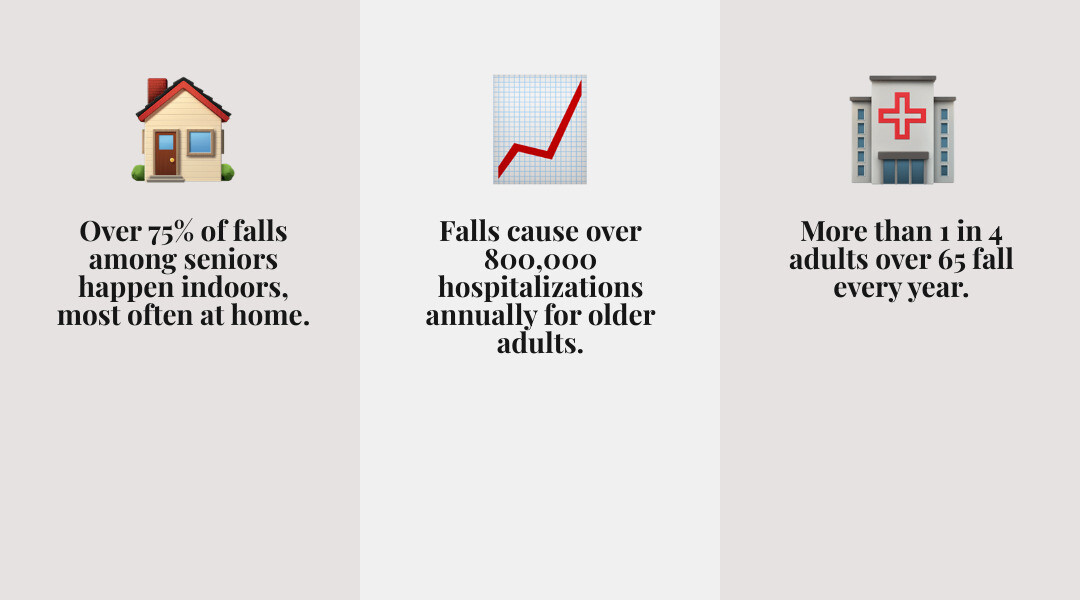
More than 1 in 4 adults over 65 falls every year. That's not a small number — it represents millions of families suddenly dealing with fractures, hospital stays, and a parent who is now afraid to move around their own home.
Here's the part that hits hardest: over 75% of those falls happen indoors, most often at home. The place that's supposed to feel safest is often where the risk is highest.
It makes sense when you think about it. At home, people let their guard down. They walk to the bathroom at 2am without turning on a light. They step over the same loose rug they've stepped over for years. They reach for something on a high shelf without thinking twice.
Small habits. Big consequences.
The good news? Most home falls are preventable. This guide walks you through exactly how to make that happen — room by room, step by step.

Fall prevention home terms to know:
When we talk about fall prevention home strategies, we aren't just trying to avoid a few bruises. We are protecting a way of life. For many seniors, a single fall can be a "fork in the road" moment. Statistics show that over 800,000 patients are hospitalized every year due to fall injuries, and 1 in 3 seniors over the age of 65 experiences a severe fall annually.
The physical toll is heavy—hip fractures are among the most serious consequences. These injuries often require surgery and extensive rehabilitation, and unfortunately, many seniors never fully regain their previous level of independence. Beyond the physical, there is the "fear of falling." Once someone falls, they often become less active to avoid another incident. This leads to weaker muscles and poorer balance, which—ironically—actually increases the risk of falling again.
Every 20 minutes, an older adult in the U.S. dies from a fall. It sounds grim, but it highlights why being proactive is so essential. By focusing on daily life assistance and home safety, we can ensure that "home" remains a place of comfort rather than a place of risk.
Before you start moving furniture or buying grab bars, it is vital to look at the internal factors that contribute to trips and slips. We always recommend starting with a professional health assessment. A doctor or healthcare provider can help identify "hidden" risks that a screwdriver and a lightbulb can't fix.
One of the most important steps is a medication review. Many common prescriptions—and even over-the-counter antihistamines or sleep aids—can cause dizziness, dehydration, or "brain fog." If a medication makes you feel unsteady, your doctor might be able to adjust the dosage or timing to keep you safer.
Vision and hearing checks are also non-negotiable. If you can't see a clear path or hear a pet moving behind you, your risk goes up. At Burnie's Way, we believe that comprehensive care plans should always include these medical checkpoints to provide a complete picture of safety.
During an Annual Wellness Visit, be sure to ask for a formal gait and balance analysis. Doctors can check for:
Creating a fall prevention home environment is like being a detective. You have to look at every room through a new lens: "What could trip me up if I were tired or in a hurry?"
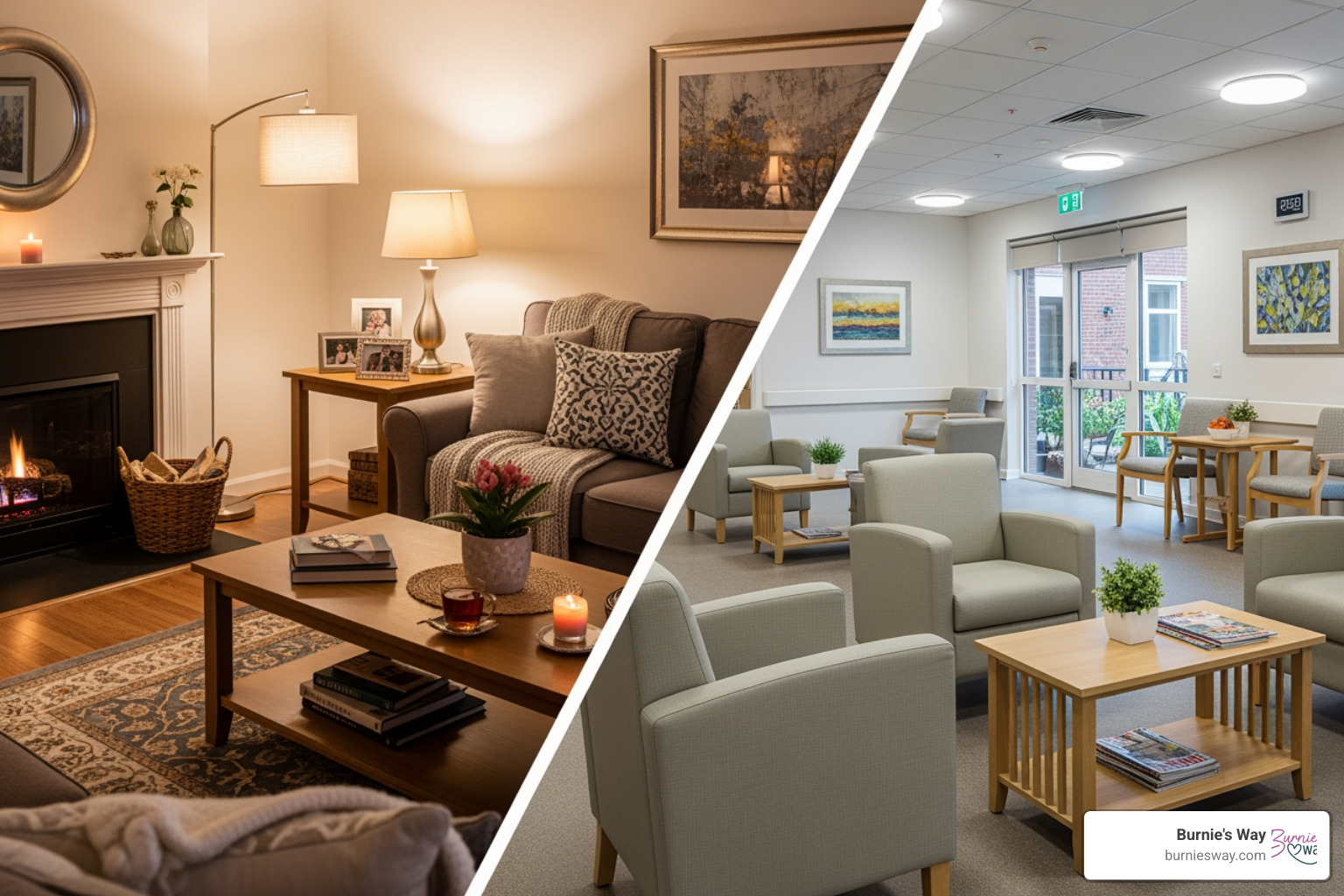
Start with the basics: clutter removal. Walkways should be wide enough for a walker or cane, even if you don't use one yet. This means moving low coffee tables, plant stands, or magazine racks out of the primary path.
Furniture arrangement matters, too. Ensure that sofas and chairs are at a height that makes it easy to stand up. If a chair is too low or too "squishy," it can be a struggle to get out of, leading to a loss of balance. For those hard-to-reach items, stop using chairs as makeshift ladders! Invest in a "reach stick" (a grabber tool) or a steady step stool with a high handrail.
When considering elderly home modifications, don't overlook cord management. Extension cords should never cross a walking path. Coil them tightly and tape them to the baseboard or run them behind furniture.
If you can't see the hazard, you can't avoid it. Lighting is perhaps the most cost-effective way to "tumble-proof" your space. We suggest:
Flooring is the other half of the equation. Loose throw rugs are famous for causing falls. If you can't bear to part with them, use double-sided tape or non-slip backing to secure them firmly. Better yet, remove them entirely and stick to firm, wall-to-wall carpeting or non-slip tile. For more detailed safety insights, you can review scientific research on preventing falls and fractures.
The bathroom is statistically the most dangerous room in the house due to slippery surfaces and hard fixtures. To make it safer:
Modifying the house is great, but modifying your habits is just as powerful. Physical activity is one of the best ways to stay upright. Exercises like Tai Chi are world-renowned for improving balance, coordination, and leg strength. Even simple water workouts or daily walks can make a huge difference.
Footwear is another "habit" to check. Floppy slippers, high heels, and stockings are major slip hazards. Opt for sturdy, flat-soled shoes with plenty of grip—even when you are just walking around the house.
Staying hydrated and eating well also plays a role. Dehydration can lead to confusion and dizziness, while proper nutrition keeps your muscles strong. At Burnie's Way, our focus on daily life assistance often involves helping seniors maintain these healthy routines so they feel confident and steady every single day.
Clutter is the number one offender—books, shoes, and pet toys left in walkways. Other frequent culprits include loose rug corners, electrical cords stretching across the floor, and "invisible" spills on kitchen or bathroom tiles.
Many medications can cause side effects like drowsiness, blurred vision, or a sudden drop in blood pressure. Sedatives, antidepressants, and even some blood pressure meds can make you feel "off-balance." Always review your full list of pills with your doctor annually.
If you find yourself "furniture walking" (touching walls and furniture for support), or if you’ve had a "near-miss" trip lately, it’s time. Professional modifications—like installing permanent grab bars or widening doorways—provide a level of security that DIY fixes sometimes can't match.
Creating a fall prevention home isn't about giving up your independence—it's about preserving it. By taking these steps, you are ensuring that you can continue to enjoy your home, your hobbies, and your family without the constant shadow of a potential injury.
At Burnie's Way, we understand that managing all these moving parts can be overwhelming. That is why we act as a personal concierge for aging adults. We aren't here to provide medical care; we are here to provide the personal support, lifestyle coordination, and virtual companionship that makes life easier. Whether it's helping you coordinate a handyman for those grab bars or just being a trusted partner in your daily routine, we are dedicated to helping you live confidently.
Ready to learn more about how we can support your independence? Discover more about our services and how we help families find peace of mind.
8 min read
Why Fall Prevention for Seniors Is a Critical Priority Fall prevention seniors need to understand starts with three key actions: Move (exercise...
6 min read
Why Choosing Home Care Wisely Can Change Everything Choosing home care for an aging parent is one of the most important — and most stressful —...
7 min read
When a Parent Needs Help: What You Should Know First Help looking after elderly parents is something millions of families navigate every year —...