
When a Parent Needs Help at Home: What You Need to Know About Personal Care Services
Personal care services are professional support programs that help people — most often older adults or those with disabilities — manage everyday tasks they can no longer do safely on their own.
If your parent is struggling with bathing, getting dressed, or preparing meals, you're likely weighing a lot of options right now. Here's a quick overview:
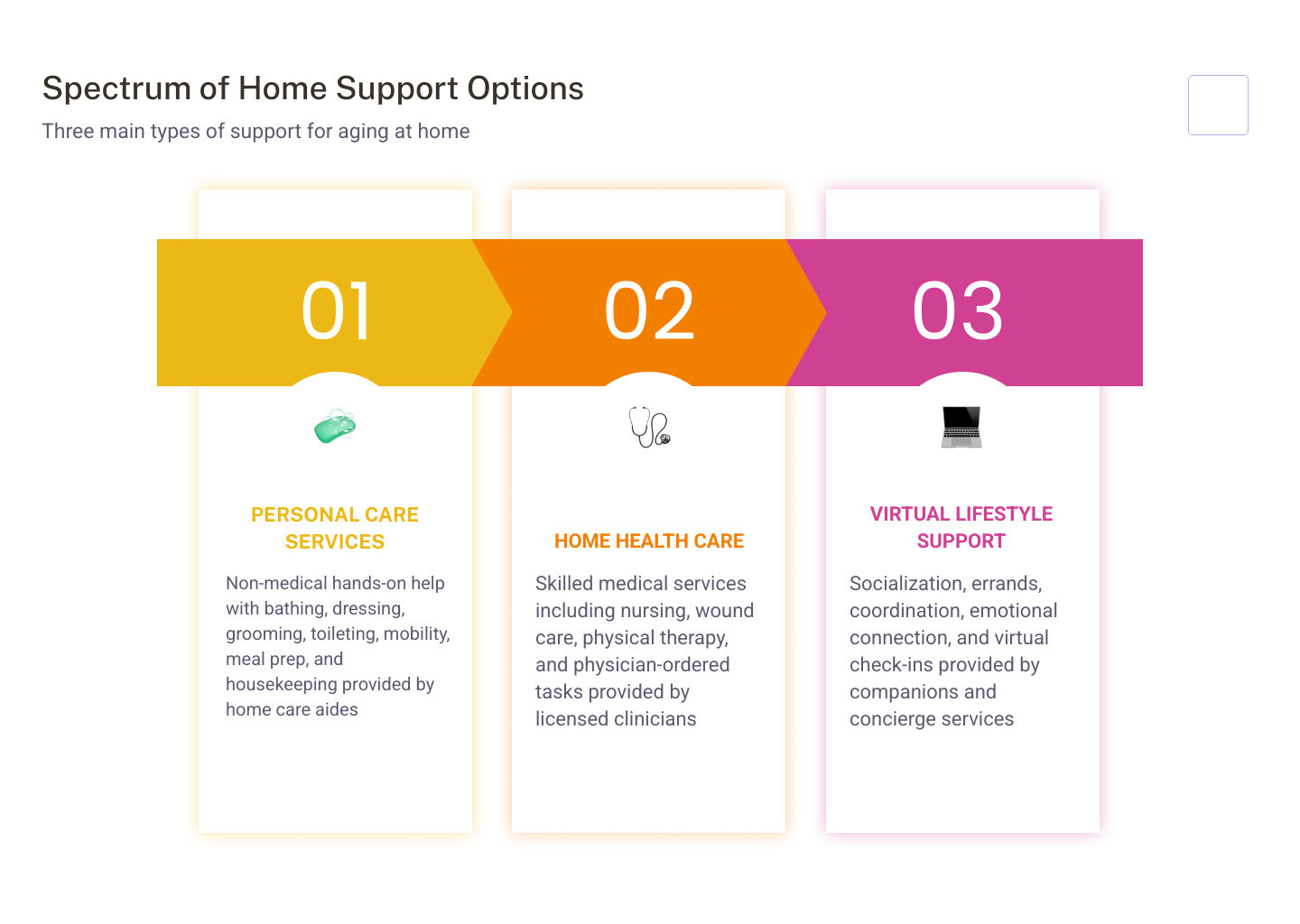
| Type of Support | What It Covers | Who Provides It |
|---|---|---|
| Personal care services | Bathing, dressing, grooming, toileting, mobility, meal prep, housekeeping | Home care aides, personal care attendants |
| Home health care | Skilled nursing, wound care, physical therapy, physician-ordered medical tasks | Licensed nurses and therapists |
| Companion / lifestyle support | Socialization, errands, coordination, emotional connection, virtual check-ins | Companions, concierge support services |
Personal care services sit in the middle of a broad spectrum. They're non-medical — but they're hands-on and essential. For many families, they're the difference between a parent staying safely at home or moving into a facility.
These services are available through Medicaid programs, private pay, long-term care insurance, and state-specific programs. Eligibility varies widely depending on where you live and what your loved one needs.
The challenge most families face isn't just finding care — it's understanding the options, navigating the paperwork, and making sure nothing falls through the cracks.
That's exactly what this guide is here to help with.
What Are Personal Care Services?
When we talk about personal care services (PCS), we are referring to non-medical, hands-on support designed to assist individuals with their everyday routines. The primary goal of these services is simple: to help eligible individuals remain in the comfort of their own homes and communities rather than transitioning to institutional settings like nursing homes.
For many seniors, maintaining independence is everything. However, age-related decline, chronic illnesses, or recovering from a major surgery can make formerly simple routines feel like climbing Mount Everest. Understanding What is Personal Care for the Elderly is the first step toward building a safe, supportive environment.
To make sense of what these services actually entail, professionals divide daily tasks into two main categories: Activities of Daily Living (ADLs) and Instrumental Activities of Daily Living (IADLs). Both categories represent essential Assistance with Daily Activities that keep a household running smoothly and safely.

Hands-On Assistance with Activities of Daily Living (ADLs)
Activities of Daily Living are the basic, essential tasks of self-care. If a person cannot perform these tasks independently, their physical health and safety are immediately at risk. Personal care assistants provide direct, physical support for these foundational actions:
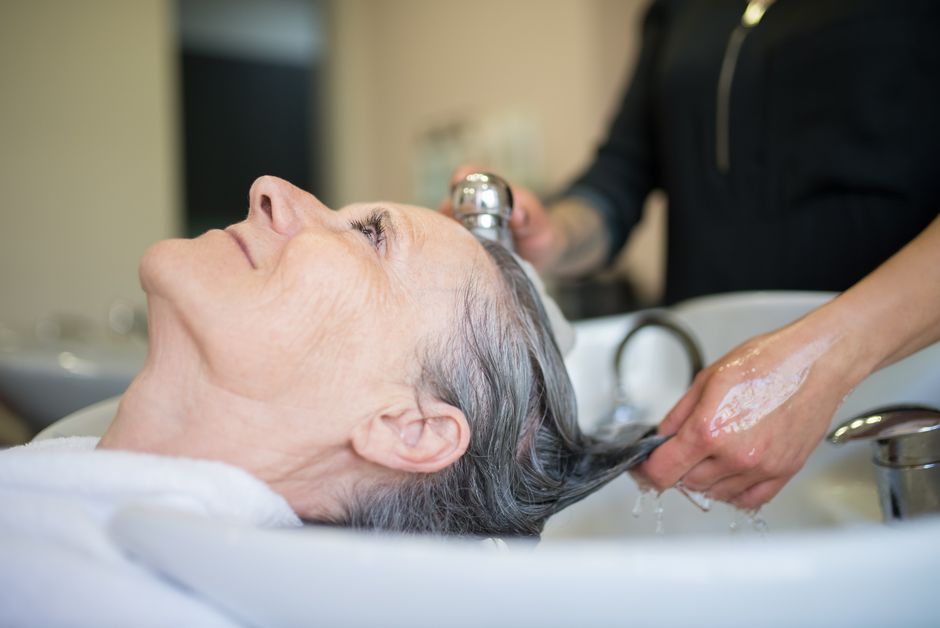
- Bathing & Showering: This is often the most challenging task for aging seniors due to slip hazards. Professional Bathing Assistance Seniors ensures they can wash safely while maintaining as much privacy and personal comfort as possible.
- Dressing & Grooming: Helping seniors pick out appropriate clothing, manage tricky buttons or zippers, brush their hair, and shave.
- Toileting & Incontinence Care: Assisting with bathroom visits and managing sensitive incontinence needs with absolute dignity. Proper support in this area is vital for maintaining Elderly Personal Hygiene and preventing painful skin breakdowns or infections.
- Body Hygiene: Ensuring consistent Body Hygiene in Aged Care is critical for overall health, preventing infections, and boosting a senior's emotional well-being and self-esteem.
- Mobility & Transferring: Helping individuals safely stand up from a favorite armchair, get in and out of bed, or navigate hallways to prevent dangerous falls.
Support with Instrumental Activities of Daily Living (IADLs)
While ADLs focus on basic physical survival, IADLs are the tasks required to live independently within a community. Personal care aides often assist with these activities to keep a home clean, safe, and organized:
- Meal Preparation: Planning nutritious meals, cooking, and setting up food so it is easy to eat. Utilizing professional Meal Preparation Assistance ensures seniors get the daily nutrition they need without the risk of leaving a stove burning.
- Grocery Shopping & Errands: Picking up fresh produce, household supplies, and handling basic errands. Regular Grocery Shopping for Elders keeps the pantry stocked with healthy options.
- Light Housekeeping & Laundry: Keeping the living environment tidy by washing dishes, vacuuming, dusting, and cleaning clothes to ensure a sanitary home environment.
Understanding Your Options: Personal Care and Complementary Support
Navigating the landscape of home care can feel like trying to read a map in a foreign language. Families often use terms like "home health care," "personal care," and "companion care" interchangeably, but they represent entirely different levels of support.
When exploring Non-Medical Home Care options, it is important to match your loved one’s specific needs to the right service type to avoid paying for unnecessary clinical care, or conversely, missing out on crucial medical supervision.
Personal Care vs. Home Health Care
The line between personal care and home health care is primarily defined by medical necessity and clinical skill.
As outlined by the Personal Care Services - CMS guidelines, personal care services are designed to assist with non-medical daily tasks. They do not require a licensed medical professional to administer. Instead, they are delivered by trained personal care aides or personal care assistants.
In contrast, home health care involves skilled clinical services. This includes wound care, administering intravenous medications, physical therapy, occupational therapy, and speech therapy. Home health care must be ordered directly by a physician, is closely managed by registered nurses or licensed therapists, and is typically covered by Medicare for short-term, rehabilitative periods. Personal care aides can work alongside home health teams—for example, by providing medication reminders—but they cannot make clinical decisions or administer medical treatments.
How Virtual Companionship and Lifestyle Support Complement Hands-On Care
While hands-on physical care is essential for safety, it is only one piece of the puzzle. Seniors also need emotional connection, mental stimulation, and lifestyle organization to truly thrive. This is where virtual companionship and dedicated lifestyle support come into play.
At Burnie's Way, we do not provide direct hands-on caregiving, medical, or nursing services. Instead, we act as a virtual companion, events coordinator, and personal assistant for aging adults who want to live confidently and independently at home.
We help families coordinate their options and bridge the gap between physical care and social connection. While a local personal care agency handles the hands-on physical tasks like bathing or transferring, our team provides the virtual check-ins, coordination of schedules, and lifestyle support that keeps your loved one socially engaged and mentally active. This holistic approach ensures that both physical needs and emotional well-being are fully supported.
Eligibility and State-Specific Requirements
Because personal care services are heavily funded through state Medicaid programs, eligibility rules are not uniform across the United States. To qualify for publicly funded personal care, an individual must typically demonstrate a functional limitation or cognitive impairment that prevents them from completing daily tasks independently.
For a comprehensive look at local resources and support definitions in our home state, you can explore the Personal Care and Personal Assistance Services | VirginiaNavigator portal, which details how these programs operate locally.
State-Specific Medicaid Thresholds
To give you an idea of how much these requirements vary geographically, let's look at a few state-specific examples:
- Virginia: To qualify for personal care under Virginia's Medicaid waivers, individuals must undergo a comprehensive screening process to demonstrate a functional need for assistance with multiple ADLs or have significant cognitive impairments that impact their safety at home.
- North Carolina: According to Personal Care Services (PCS) - NC Medicaid guidelines, an individual must demonstrate unmet needs for at least three of the five primary ADLs with limited hands-on assistance, or at least two ADLs requiring extensive or full dependence assistance.
- New York: Under the Personal Care Services Program (PCS) in New York, the Minimum Needs Requirement (effective September 1, 2025) requires individuals aged 21 and older to be assessed as needing at least limited assistance with more than two Activities of Daily Living. For individuals diagnosed with dementia or Alzheimer’s, the threshold is adjusted to require supervision with more than one ADL.
- Texas: Medicaid personal care services in Texas are unique in that they are also highly structured for younger populations, offering services from birth through age 20 for individuals who have an ongoing disability or illness confirmed by a practitioner and a signed Practitioner Statement of Need.
How to Access Medicaid Personal Care Services
If you are seeking Medicaid-funded personal care, the process generally involves three key steps:
- The Independent Assessment: A state-appointed agency or nurse will visit your loved one's home to conduct a formal functional assessment. They will physically observe and document the individual's ability to perform ADLs and IADLs.
- Physician Ordering: In many states, a physician or qualified practitioner must sign a formal statement of medical necessity or a Practitioner Statement of Need, confirming that the services are medically necessary to prevent institutionalization.
- Creation of an Individualized Care Plan: Once eligibility is approved, a customized care plan is established. This plan outlines the exact number of hours authorized per week and details which specific tasks (such as bathing, dressing, or light meal preparation) the personal care assistant is authorized to perform.
Funding Options: How to Pay for In-Home Support
Determining how to fund in-home care is one of the most stressful parts of the journey for families. Fortunately, there are several pathways available to cover the costs of Personal Care for Elderly at Home.
- Medicaid Waivers: For low-income seniors or those with limited assets, Medicaid is the largest payer of long-term personal care services. Through Home and Community-Based Services (HCBS) waivers, Medicaid pays for personal care aides to help seniors stay out of nursing homes.
- Private Pay: Families who do not meet Medicaid’s income or asset limits pay for services out-of-pocket. Private pay rates vary by region but typically range from $25 to $40+ per hour depending on the complexity of care and local cost of living.
- Long-Term Care Insurance: If your parent purchased a long-term care insurance policy years ago, it will likely cover non-medical personal care services once they meet the policy’s "benefit triggers" (usually requiring assistance with at least two ADLs).
- Veterans Benefits: The VA offers programs like the Aid and Attendance benefit, which provides monthly pension increases to eligible wartime veterans and surviving spouses to help cover the cost of personal care assistants.
Choosing the Right Personal Care Services Provider
If you are hiring a direct hands-on personal care provider in Virginia, it is crucial to do your homework. In Virginia, home care agencies must be licensed by the Virginia Department of Health.
When evaluating local agencies—such as checking resources like Virginia Home Care Services or looking into local providers like those offering In Home Health Care Service Company Agency in Manassas, VA—make sure to ask the following questions:
- Are your caregivers fully background-checked, bonded, and insured?
- What specific training or certifications (such as Certified Nursing Assistant or Personal Care Aide) do your caregivers hold?
- How do you handle caregiver call-outs or emergencies?
- Do you involve the family and the client in the caregiver-matching process to ensure a good personality fit?
Frequently Asked Questions about Personal Care Services
What is the difference between personal care and home health care?
Personal care is non-medical and focuses on hands-on assistance with everyday tasks like bathing, dressing, and cooking. Home health care is clinical, physician-ordered medical care delivered by licensed nurses or physical therapists to treat or manage a medical condition.
Does Medicare cover personal care services?
No, Medicare does not cover long-term, non-medical personal care (often referred to as "custodial care") if that is the only care you need. Medicare will only cover personal care on a short-term basis if it is paired with active, physician-ordered skilled home health care.
How are individual care needs assessed?
State agencies, managed care organizations, or private home care agencies will send a nurse or social worker to conduct a functional assessment. They evaluate the senior’s physical mobility, cognitive health, and ability to complete ADLs safely to determine how many hours of support are needed.
Conclusion
Finding the right balance of support for an aging parent is a journey that requires both practical planning and emotional care. Hands-on personal care services provide the vital physical assistance seniors need to stay safe, clean, and nourished in their own homes.
At Burnie's Way, we believe that physical care is only half the battle. Seniors also need connection, joy, and a sense of control over their lives. While we do not provide hands-on caregiving, our virtual companionship and lifestyle coordination services are designed to partner with families, helping to manage daily routines and bring peace of mind to everyone involved.
By understanding your options and coordinating the right mix of physical care and personal lifestyle support, you can help your loved one live comfortably, confidently, and independently.
To learn more about how we can support your family's journey, explore our resources on Daily Life Assistance or Explore our personalized lifestyle support services today.