

Introduction: Why Planning for Recovery Matters
Post hospitalization care is the support and planning that helps you or your loved one safely transition from hospital to home—and it's crucial for preventing complications and readmission. Here's what you need to know:
Essential Elements of Post-Hospitalization Care:
- A clear discharge plan with written instructions for medications, follow-up appointments, and activity restrictions
- A safe home environment free from trip hazards and equipped with necessary medical equipment
- A plan for medication management to ensure the right doses at the right times
- Timely follow-up with physicians, typically within 7-30 days depending on your condition
- A network of physical and social support to aid recovery and prevent isolation
- Understanding warning signs that require immediate medical attention
Leaving the hospital is a major step forward in your health journey. But it can also feel overwhelming. After a serious illness that required you be in a hospital, leaving the hospital is your next step toward recovery—and a lot will change at this point.
The transition home is a vulnerable time. Around 35% of elderly patients are readmitted to the hospital within 90 days of being discharged. Many older adults are readmitted during the first month home—a period that requires careful attention and support.
The reason? Readmission often happens when patients don't follow doctor's instructions, struggle with medication schedules, or lack a proper recovery environment. Your body is under extra stress during hospitalization, and it takes time to get back to feeling better.
But here's the good news: proper planning makes all the difference. When you understand what to expect, create a clear care plan, and set up the right support systems, you dramatically improve your chances of a smooth, safe recovery at home.
This guide will walk you through everything you need to know about post-hospitalization care—from understanding the challenges you might face, to creating a solid discharge plan, to building the support system that helps you or your loved one heal with confidence and independence.
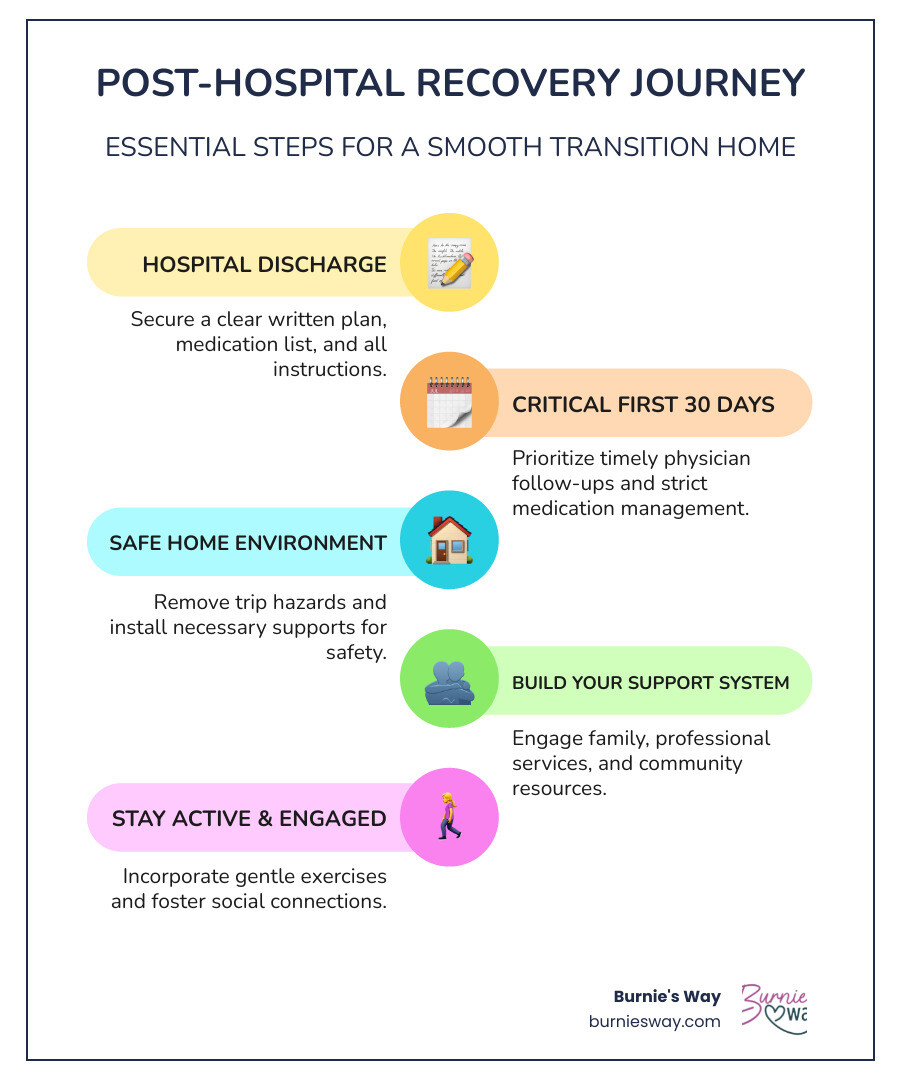
Quick look at post hospitalization care:
- Coordinating home support
- Planning for a safe transition
- adapting to aging
Understanding the Challenges of Post-Hospital Recovery
Coming home from the hospital can feel like a mixed bag of emotions. There's the relief of being in your own space, but often, that's coupled with a sense of vulnerability and uncertainty. For many, especially older adults, the journey back to full health after a hospital stay presents a unique set of challenges.

One of the most immediate challenges is often sheer physical weakness. Think about it: during bedrest, muscle loss happens quickly, with patients losing 2% to 5% of muscle mass for each day they are unable to walk. This rapid decline in strength can make even simple tasks like getting out of bed or walking to the bathroom feel like monumental efforts. Beyond muscle loss, patients might experience reduced circulation and general fatigue, making it hard to regain energy.
Emotional strain is another significant hurdle. Hospitalization itself is stressful, and the recovery period can bring anxiety, depression, or a feeling of isolation. Lingering symptoms from the illness, whether it's a persistent cough or a general feeling of being unwell, can contribute to this emotional toll.
For acute illnesses, the recovery journey can be particularly long and unpredictable. For example, after six months, over 70% of patients hospitalized for COVID-19 reported cardiopulmonary issues like cough, irregular heartbeat, or shortness of breath. Roughly half also experienced fatigue or physical limitations. This means that even after discharge, the battle isn't over; it's just shifted venues.
The Critical First 30 Days
The period immediately following hospital discharge is often referred to as a "vulnerable transition point" for a good reason. The first 30 days at home following a hospitalization is a delicate time. Many older adults are readmitted to the hospital during this first month. This isn't just an unfortunate coincidence; it often stems from a lack of proper post hospitalization care.
Why do these readmissions occur? Often, it's due to an improper recovery environment or insufficient care oversight. Patients might struggle to stick to doctor's instructions, manage complex medication schedules, or simply lack the physical strength and support needed to heal effectively. Without a clear plan and consistent support, the risk of complications, falls, or worsening conditions increases significantly.
This highlights the immense importance of preparation and proactive support. Having a robust plan in place, and understanding how dedicated personal support can integrate with your recovery, can make all the difference during this critical window. We believe in empowering you to steer this period with confidence and ease. Learn more about our approach to supporting your daily life management.
Typical Recovery Timelines
The path to recovery is rarely a straight line, and the timeline can vary significantly depending on the illness and individual factors.
For acute illnesses like COVID-19 or pneumonia, recovery isn't always quick. As mentioned, many people hospitalized for COVID-19 should expect symptoms to last for up to six months or even longer, according to insights from Dr. Andrew J. Admon. With serious cases of pneumonia, recovery time can range from 6 to 12 weeks. While a general rule of thumb suggests one week of recovery for each day spent in the hospital, this is just an estimate.
Factors such as age, pre-existing conditions, and the severity of the illness all play a role in how quickly—or slowly—one recovers. A younger, healthier individual might bounce back faster than an older adult with multiple chronic conditions. Understanding these potential timelines helps set realistic expectations for both patients and their families, reinforcing the need for sustained support throughout the recovery journey.
Creating a Smooth Transition: The Discharge Plan
The moment you leave the hospital is a pivotal point in your recovery. It's not just about walking out the door; it's about transitioning from a highly structured, medically supervised environment to your home, where you and your loved ones will take on more responsibility for your care. This is where a well-crafted discharge plan becomes your roadmap to success.
Discharge planning isn't a last-minute scramble; it's a collaborative process that ideally begins as soon as possible during your hospitalization. It involves you, your family or caregivers, and your entire hospital care team—doctors, nurses, social workers, and therapists. The goal is to ensure that when you leave, you have all the information, resources, and support you need to continue healing safely and effectively at home.
The Agency for Healthcare Research and Quality (AHRQ) emphasizes that effective discharge planning can help reduce medical errors during transitions of care, which is known to be a time during which patients are particularly vulnerable. You can find a comprehensive guide for leaving the hospital from AHRQ here.
This proactive approach, often guided by strategies like the IDEAL discharge planning model (which stands for Include, Discuss, Educate, Assess, Listen), focuses on patient and family engagement to ensure everyone is on the same page and feels prepared.
Key Questions to Ask Your Hospital Team
Before you or your loved one leaves the hospital, asking the right questions is paramount. This isn't the time to be shy! We encourage you to be a proactive advocate for your recovery. Here’s a list of essential questions to guide your conversations with the care team:
- Medication Details:
- Have any medications been added, stopped, or changed, and why?
- What medications do I need to keep taking, and why?
- How do I take my medications, including dosage, frequency, and for how long?
- What are the potential side effects to watch for?
- How will I get a sufficient supply until I can visit a pharmacy?
- Do I have any concerns about paying for my medications, and what options are available if costs are an issue?
- Follow-Up Appointments:
- Do I need to follow up with my family doctor or other specialists?
- Can an appointment be booked for me before I leave, or how do I schedule it?
- When should these appointments take place?
- Is transportation assistance available if I have trouble getting there?
- What if I don't have a family doctor? Can you help me find one?
- Warning Signs and Emergencies:
- What symptoms are normal for my condition, and what should I expect during recovery?
- When and whom should I call if symptoms aren't normal or if I have a serious health problem? (Get specific names and phone numbers.)
- When should I go to the emergency room versus calling my doctor?
- Activity Restrictions and Lifestyle:
- How long will it take to get back to my normal routine?
- Will I be able to drive right away?
- Are there any activities I shouldn’t do, or any exercises I should start/stop?
- What dietary restrictions or recommendations should I follow?
- Home Care and Equipment:
- Will I need home care or personal support (e.g., help with bathing, meals)? How soon and how often?
- Who will pay for these services?
- Will I need any special equipment (e.g., hospital bed, walker, oxygen)? How will I get it, and who pays?
- Who can I call if I have problems accessing care or equipment at home?
- Contact Person for Questions:
- Who is my primary contact for questions about my transition plan once I'm home? (Get a name, title, and direct contact number.)
Remember to write down the answers or have a trusted family member take notes. It's a lot of information, and having it in writing will be incredibly helpful.
What to Expect in Your Discharge Plan
Your discharge plan isn't just a verbal conversation; it should be a tangible document that serves as your personal recovery guide. This written plan is formally known as a patient-oriented discharge summary (PODS) in some healthcare systems, and it's designed to empower you with clarity and confidence.
At a minimum, your discharge plan should include:
- Detailed Written Instructions: These will cover your diagnosis, what happened during your hospital stay, the treatments you received, and a clear outline of the care you need at home. This can help you understand the "why" behind your ongoing care.
- A Comprehensive Medication List: This is critical. It should list all medications you're currently taking, including new prescriptions, any medications that have been stopped or changed, and over-the-counter drugs, vitamins, and supplements. For each, it should specify the dosage, frequency, purpose, and potential side effects. Always ensure you have enough medication to last until your first pharmacy visit.
- An Appointment Schedule: This section will detail all upcoming follow-up appointments, including dates, times, names of doctors or specialists, and their contact information. If appointments haven't been booked, it should explain how to schedule them.
- Emergency Contacts and Warning Signs: Clear instructions on who to call and when to call them if you experience new symptoms or complications. This includes emergency numbers and contact information for your primary care physician or other providers.
- Dietary and Activity Guidelines: Specific recommendations or restrictions regarding your diet, physical activity levels, and any activities to avoid.
- Equipment Needs: A list of any medical equipment you'll need at home, instructions on how to use it, and information on how to acquire it and who will cover the costs.
This comprehensive document is not just for you; share it with your family and any personal support professionals who will be assisting you. It ensures everyone involved in your post hospitalization care understands your needs and can support your journey back to independence. Having questions about the discharge process? We can help clarify common concerns. Check out our FAQ for more information.
Navigating Your Post-Hospitalization Care Journey at Home
The hospital's job is to treat your acute condition. Your home, however, is where the real healing often takes place. Navigating this journey effectively means optimizing your home environment, mastering medication management, and gradually re-engaging with physical activity and social connections. This holistic approach is key to a successful recovery.

Creating a Safe and Comfortable Home
Your home should be a sanctuary for recovery, not a source of new hazards. After an extended hospital stay, it may be some time before you regain your energy, balance, and coordination. To avoid trips, slips, and falls in your home, some smart precautions after recovery include:
- Removing Trip Hazards: This is paramount. Loose rugs, electrical cords, clutter, and even small furniture can become dangerous obstacles. Clear pathways in all rooms, especially those you frequent.
- Installing Grab Bars: In the bathroom, grab bars near the toilet and in the shower/tub can provide crucial support and prevent falls. A shower chair or raised toilet seat can also make daily routines safer and easier.
- Ensuring Easy Access to Essentials: Keep frequently used items—medications, water, snacks, books, phone, remote controls—within easy reach of your bed or favorite chair. This minimizes the need to stretch, bend, or walk unnecessarily.
- Using Night Lights: Good lighting, especially at night, is vital. Place night lights in hallways, bedrooms, and bathrooms to illuminate paths and prevent disorientation.
- Wearing Comfortable, Non-Skid Footwear: Bare feet, socks, or flimsy slippers can increase the risk of slipping. Opt for comfortable shoes or house slippers with non-skid soles.
Think of your home as a recovery zone. Small adjustments can make a huge difference in your safety and comfort, allowing you to focus on healing without unnecessary worries.
Effective Medication Management Post-Discharge
Medication management is often one of the most complex aspects of post hospitalization care. You might be on new medications, different dosages, or a completely revised schedule. Errors in medication can lead to serious complications and even readmission. Here’s how to manage it effectively:
- Medication Reconciliation: Before leaving the hospital, ensure your care team reviews all your medications—those you were taking before, during your stay, and what you’ll take moving forward. This helps prevent dangerous drug interactions or omissions. Ask for a printed, clear list.
- Using a Pill Organizer: These simple tools can be lifesavers. A pill organizer, labeled for days of the week and times of day (morning, afternoon, evening, bedtime), helps ensure you take the right pills at the right time.
- Understanding Side Effects: Know what to expect from each medication. Ask your doctor or pharmacist about common side effects and what to do if you experience them.
- Pharmacy Coordination: Ensure your pharmacy has your updated prescriptions and that you understand how to refill them. Consider services that offer prescription delivery if getting to the pharmacy is challenging.
- Setting Reminders: Use alarms on your phone, a smartwatch, or a simple kitchen timer to remind you when it's time to take your medications. Consistency is key.
Don't hesitate to ask your pharmacist questions; they are an invaluable resource for medication information and can help clarify any confusion.
The Importance of Staying Active and Engaged
While rest is crucial for recovery, prolonged inactivity can be detrimental. Muscle loss happens quickly during bedrest, with patients losing 2% to 5% of muscle mass for each day they are unable to walk. This can lead to further weakness, reduced mobility, and a longer recovery.
- Combating Muscle Loss: As soon as your doctor clears you, start moving. This doesn't mean running a marathon! Begin with gentle exercises recommended by your physical therapist. Even simple movements like ankle pumps, leg lifts while seated, or short walks around the house can make a difference.
- Gradual Activity: Progress slowly. Short walks, perhaps with a walker or cane, can help build endurance and balance. Listen to your body and don't push too hard. Consistency over intensity is the goal.
- Following Physical Therapist Advice: If you're prescribed physical or occupational therapy, adhere strictly to their guidance. They are experts in helping you regain strength, mobility, and independence.
- Social Connection Benefits: Recovery can be isolating, which can negatively impact mental health. Social engagement plays a vital role in recovery by combating feelings of loneliness and depression. Staying connected with friends and family through calls, texts, video chats, or visits can provide emotional support and a sense of normalcy.
- Brain-Stimulating Activities: Keep your mind active with puzzles, reading, hobbies, or gentle learning activities. This helps combat "brain fog" and keeps your cognitive functions sharp.
The goal is not just physical recovery, but also maintaining your overall well-being. A balanced approach that includes appropriate activity and social interaction will significantly contribute to a smoother and more fulfilling recovery.
Building Your Support System for a Full Recovery
Recovering from a hospital stay is rarely a solo endeavor. Building a strong support system around you is one of the most proactive steps you can take to ensure a full and lasting recovery. This network includes medical professionals, personal support services, and your community.
The Role of Timely Physician Follow-Up
One of the most critical components of effective post hospitalization care is timely physician follow-up. The period immediately after discharge is a vulnerable one, and seeing your doctor promptly can prevent complications and adjust your treatment plan as needed.
- Benefits of Follow-Up Visits: These appointments allow your doctor to assess your progress, monitor your healing, check for any signs of infection or complications, and adjust medications or therapies. This proactive oversight is essential for catching potential issues before they become serious.
- Adjusting Treatment Plans: Your needs might change rapidly during early recovery. A follow-up visit provides the opportunity to fine-tune your treatment plan, ensuring it aligns with your current condition and recovery trajectory.
- Follow-Up Rates: While best practices recommend physician follow-up within 1 week to 1 month after discharge for conditions like acute myocardial infarction (AMI), heart failure (HF), and chronic obstructive pulmonary disease (COPD), statistics show variation. The majority of patients (77% to 92%) saw a physician within a month of discharge, but fewer (35% to 56%) saw a physician within the first week. This suggests there's room for improvement in ensuring timely care.
- Factors Influencing Follow-Up Rates: Several factors can influence how often patients follow up. Patients with a 'familiar' physician (one seen at least twice in the prior year or during the hospital stay) were more likely to have a timely follow-up. Lower follow-up rates were observed in patients who lived in lower-income neighborhoods or rural areas. This highlights the importance of continuity of care and addressing logistical barriers.
We strongly encourage you to prioritize these follow-up appointments. If you need help finding local support resources or assistance with scheduling, many organizations can help. Explore support resources in your state.
Types of Professional Post-Hospitalization Care Services
When building your support system, it's helpful to understand the different types of professional services available. While Burnie's Way does not provide medical or in-home caregiving services, we can help you steer these options and coordinate the non-medical support that's right for you. Here are some common services you might encounter:
- Nursing Care: This is clinical, medical care performed by licensed nurses, such as wound care, medication administration (injections or IVs), and monitoring vital signs.
- In-Home Personal Care: This non-medical support focuses on assistance with activities of daily living (ADLs) like bathing, dressing, grooming, and meal preparation. It is often crucial for safety when physical strength is compromised.
- Specialized Therapies: This category includes rehabilitation services like physical, occupational, and speech therapy, which are essential for regaining specific functions.
Understanding these distinctions is key. Burnie's Way acts as your personal support coordinator, focusing on lifestyle management and independence. Our role is to help you live comfortably at home by connecting you with trusted services and managing the routines that make life easier. We empower you to make informed choices about your care without providing the clinical or hands-on services ourselves. Find out more about how our flexible support plans are priced.
Finding Support Systems and Resources
Beyond professional services, a robust personal and community support system is indispensable for post hospitalization care.
- Family and Friends: Your immediate circle is often the first line of support. They can help with emotional encouragement, transportation, meal preparation, and light chores. Don't be afraid to ask for help—people often want to assist but don't know how.
- Community Programs: Many communities offer programs specifically designed for seniors or those recovering from illness. These can include meal delivery services, transportation assistance, senior centers, and wellness programs. Resources like the Eldercare Locator and Family Care Navigator can help you find these services.
- Caregiver Support Groups: If a family member is taking on a significant care role, support groups can provide emotional solace, practical advice, and a sense of community. Connecting with others facing similar challenges can be incredibly validating. Find caregiver support resources in your state.
You don't have to steer this journey alone. Building a diverse network of support—from medical professionals to personal assistance, and from loved ones to community resources—will create a safety net that fosters healing and promotes long-term well-being. We are here to help you coordinate many aspects of this support system, allowing you to focus on your recovery. Get in touch with us to discuss your needs.
Conclusion: Taking Proactive Steps Toward Healing
The journey back to health after a hospital stay can feel like a marathon, not a sprint. But with the right approach to post hospitalization care, it can also be a period of significant progress and renewed independence. We’ve explored the challenges—from physical weakness and emotional strain to the critical first 30 days—and highlighted the importance of a clear, comprehensive discharge plan.
By proactively engaging with your hospital care team, asking key questions, and understanding what to expect in your discharge instructions, you lay a strong foundation. Optimizing your home for safety and comfort, diligently managing medications, and gradually re-engaging with physical activity and social connections are all vital steps in this healing process.
Building a robust support system, including timely physician follow-ups and leveraging available professional and community resources, ensures you're never alone. We understand that navigating these complexities can be daunting, and that’s where our personal support comes in.
At Burnie's Way, we believe in empowering you to live safely and independently at home, especially during and after significant life events like a hospital stay. While we don't provide medical or caregiving services, we act as your personal support coordinator. Our role is to help you manage the non-medical aspects of daily life, connect you with trusted services, and coordinate routines that make your life easier and more enjoyable. We're here to help you live the way you want, with confidence and peace of mind.
Your recovery journey is unique, but the principles of good planning, active engagement, and a strong support network remain universal. By taking these proactive steps, you accept your healing journey with strength and optimism, paving the way for a return to a vibrant, independent life at home. Explore our personalized support services and discover how we can help you live confidently.