

 Sydney Giffen
Local Senior Care: A Guide to Neighborhood Support
When a Parent Needs Help at Home: Where to Start Local senior care is a broad term — and when you're suddenly trying to figure out how to keep a...

Help for seniors living at home is one of the most urgent things families look for when an aging parent starts to struggle — and you're not alone in that search.
Here's a quick overview of the main types of support available:
| Type of Support | What It Covers |
|---|---|
| Personal assistance | Bathing, dressing, grooming, meal prep, errands |
| Companion services | Social connection, check-ins, activity coordination |
| Home health care | Medical tasks like wound care or medication management (short-term, Medicare-certified) |
| Home modifications | Grab bars, ramps, lighting, emergency alert systems |
| Community resources | Meal delivery (Meals on Wheels), senior transportation, adult day programs |
| Financial assistance | Medicare, Medicaid waivers, VA benefits, paid family caregiving programs |
| Professional coordination | Geriatric care managers, lifestyle concierge services |
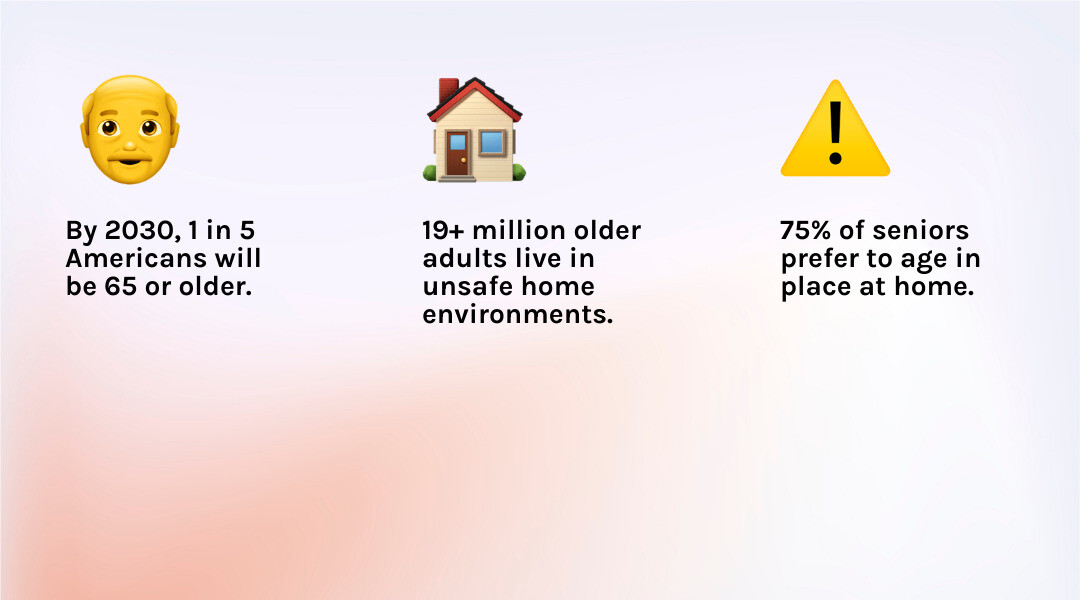
The numbers tell a clear story. By 2030, one in five Americans will be 65 or older. Yet more than 19 million older adults already live in homes that aren't safely set up for their needs.
At the same time, three-quarters of older adults say they want to stay in their own homes as they age. That gap — between what seniors want and what their homes and support systems can actually provide — is exactly why families feel so overwhelmed.
It's not just about safety. It's about dignity, independence, and peace of mind — for the senior and for the people who love them.
This guide walks you through everything: how to spot when a loved one needs support, what options exist, how to pay for them, and how to avoid burning out in the process.
Help for seniors living at home helpful reading:
It isn't always easy to tell when a parent or loved one needs an extra hand. Sometimes, the change is as sudden as a fall or a hospital stay. Other times, it’s a slow drift—a stack of unopened mail here, a slightly empty fridge there. Because many seniors value their independence above all else, they might not always speak up when they’re struggling.

As we navigate this journey together, we look for changes in two main areas: Activities of Daily Living (ADLs) and Instrumental Activities of Daily Living (IADLs). ADLs are basic self-care tasks like bathing, dressing, and eating. IADLs are more complex tasks that allow someone to live independently, such as managing finances, grocery shopping, and keeping up with home maintenance.
According to the National Institute on Aging, there are specific red flags to watch for:
If you live far away, recognizing these signs is even tougher. We recommend building a "circle of care" by staying in touch with neighbors or local friends who can provide a quick "eyes-on" check. For more tips on navigating these early stages, see our guide on Assistance Caring for Elderly Parents.
Once you realize that help for seniors living at home is necessary, the sheer number of acronyms and service types can feel like alphabet soup. To find the right fit, it helps to categorize support into three main buckets:
At Burnie's Way, we believe in a "lifestyle coordination" approach. While we don't provide medical care, we act as a concierge for independence. We help manage the "everything else"—the errands, the technology hurdles, and the daily routines that keep life running smoothly. This type of Non-Medical Home Care is often the missing piece that allows a senior to stay in their beloved home rather than moving to a facility.
Memory-related conditions like Alzheimer’s or Parkinson’s require a different level of patience and expertise. The goal here isn't just safety—it's maintaining a sense of self. Specialized support focuses on creating a calm environment, managing "sundowning" (increased confusion in the evening), and ensuring the senior doesn't wander.
Dementia-specific assistance often involves "redirection" techniques and specialized activities designed to stimulate the brain without causing frustration. If your family is navigating a diagnosis, our guide on Dementia Care at Home provides deeper insights into creating a supportive environment.
Inviting someone into a loved one's home is a massive act of trust. Whether you are hiring through an agency or looking for an independent lifestyle coordinator, vetting is non-negotiable.
For a step-by-step checklist on finding the right partner, check out our article on Choosing Home Care.
Sometimes, the best help for seniors living at home isn't a person—it's a physical change to the environment. Most homes were built for young, mobile people. As we age, a simple rug or a dimly lit hallway can become a major hazard.
The National Institute on Aging recommends a room-by-room safety check. Start with the "big three": lighting, flooring, and the bathroom.
| DIY Safety Fixes | Professional Structural Modifications |
|---|---|
| Removing throw rugs | Installing a wheelchair ramp |
| Adding non-slip mats to tubs | Widening doorways for walkers/wheelchairs |
| Installing brighter LED bulbs | Installing a stair lift or home elevator |
| Taping down loose cords | Lowering kitchen countertops |
Beyond physical bars and ramps, smart home technology is a game-changer. We often recommend emergency alert systems—wearable buttons that can call for help at the touch of a button. Modern systems even include "fall detection" that alerts family members automatically if a senior goes down. For more on keeping the home environment safe, read our tips on Fall Prevention Seniors.
The question on every family's mind is: How do we pay for this?
Understanding the financial landscape is crucial. Many people assume Medicare covers all in-home help, but that is a common misconception. Medicare generally only covers "home health care" if it is short-term, medically necessary, and provided by a Medicare-certified agency. It typically does not pay for long-term personal assistance or companion services.
However, there are other avenues:
A great place to start your search is the Eldercare Locator, a public service that connects you to local Area Agencies on Aging. These agencies are goldmines for finding Long Term Care resources in your specific zip code.
Did you know that in some cases, family members can actually get paid for the care they provide? Many states have "consumer-directed" personal assistance programs under Medicaid. These programs allow the senior to hire their own "worker," which can include a friend or family member (though usually not a spouse).
If you are a family caregiver, it's also worth checking with your state's labor office about Paid Family Leave. While it's usually a short-term solution, it can provide a financial cushion during a health crisis.
We often say that you cannot pour from an empty cup. Providing help for seniors living at home is rewarding, but it is also exhausting. Caregiver burnout is real, and it can lead to serious health issues for the caregiver, including depression and chronic stress.
One of the most important tools in your toolkit is respite care. This is short-term support that gives the primary caregiver a break. It can be a few hours a week from a companion service or a five-day stay in a skilled nursing facility (which Medicare sometimes covers for those in hospice).
Other ways to manage the load include:
If you’re feeling overwhelmed, please look into Elder Care Support resources. Taking care of yourself is a vital part of taking care of your loved one.
In Virginia, a great starting point is the Senior Navigator website or the Virginia Department for Aging and Rehabilitative Services (DARS). You can also call the Eldercare Locator at 1-800-677-1116 to find the Area Agency on Aging nearest to you.
Generally, no. Medicare covers medical "home health" services (like nursing or physical therapy) on a short-term basis. It does not cover "custodial care," which includes help with bathing, dressing, and meal preparation, unless that care is part of a larger medical recovery plan.
Yes, potentially. Through Virginia's Medicaid waiver programs, eligible seniors can choose a "consumer-directed" care model where they hire their own assistant, which can be a family member. Veterans may also qualify for similar programs through the VA.
At Burnie's Way, we believe that every senior deserves to treat their home as a haven. With over 50 years of experience, we’ve seen how the right balance of support can transform a stressful living situation into one of confidence and joy.
We aren't doctors or nurses—we are personal concierges for the aging journey. We act as virtual companions, lifestyle coordinators, and personal assistants, helping our members manage the daily details so they can focus on what matters most: living life on their own terms. Whether it’s coordinating a ride, helping with a new tablet, or just being a friendly voice to check in, we are here to provide the heartbeat of support that makes independent living possible.
If you’re ready to explore how personalized Our Services can bring peace of mind to your family, we’d love to walk this path with you. After all, "aging in place" shouldn't just mean staying put—it should mean thriving in the place you love most.

When a Parent Needs Help at Home: Where to Start Local senior care is a broad term — and when you're suddenly trying to figure out how to keep a...

 Sydney Giffen : Jan 13, 2026 3:41:19 PM
Why Finding the Right Support Matters Most Reliable home care starts with understanding what you need and knowing where to find trustworthy help....

Sydney Giffen : Mar 18, 2026 12:00:00 AM
Why Emergency Senior Care Matters for Your Family Emergency senior care refers to immediate support services available when an older adult faces an...