6 min read

Elder Helpers: Your Guide to Giving Back

Elder Helpers: Your Guide to Giving Back

Why Community Service Helping Elderly Neighbors Matters More Than Ever

community service helping elderly

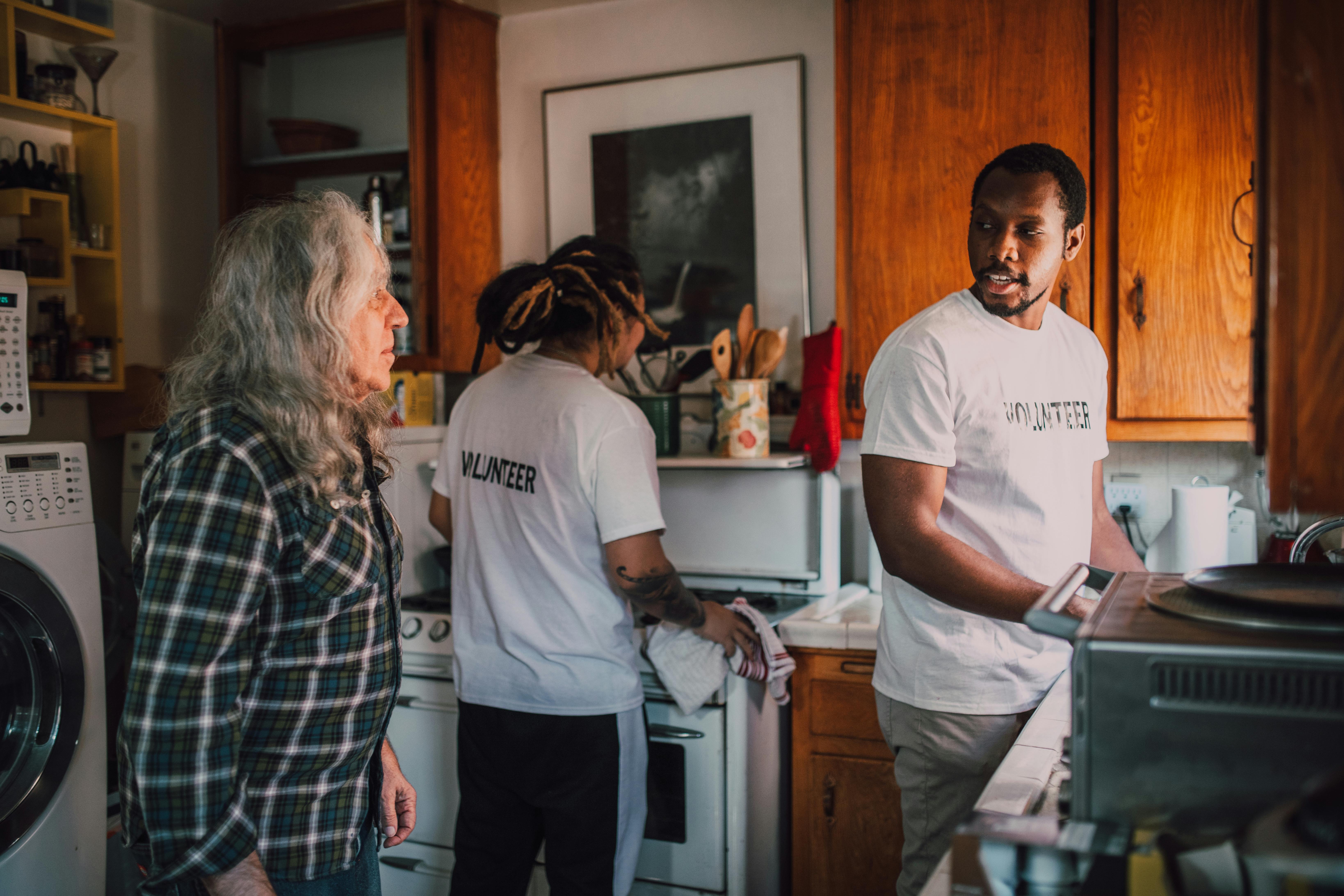
Community service helping elderly individuals is one of the most impactful — and accessible — ways to give back. Whether you're looking to volunteer a few hours a month or make it a regular commitment, there are meaningful roles for everyone.

Quick ways to get started:

  1. Deliver meals through programs like Meals on Wheels
  2. Offer companionship as a friendly visitor or phone buddy
  3. Provide transportation to appointments, errands, or grocery stores
  4. Help around the home with chores, yard work, or minor repairs
  5. Join a formal program like Senior Companions or Foster Grandparents

The need is real. One in five older adults are considered lonely or isolated. And that isolation isn't just sad — it's a serious health risk.

But here's what's easy to overlook: volunteering helps both sides. Research shows that 88% of AmeriCorps Seniors volunteers who felt lonely reported fewer feelings of isolation after becoming a volunteer. And 84% reported stable or improving health after just one year of service.

This guide walks you through exactly how to get involved — what programs exist, what to expect, and how to find the right fit for your schedule and skills.

Simple guide to community service helping elderly terms:

The Profound Benefits of Community Service Helping Elderly Neighbors

When we think about community service helping elderly members of our neighborhood, we often focus on the person receiving the help. While the impact on the senior is undeniable, the "helper's high" is a scientifically documented phenomenon. Engaging in service provides a profound sense of purpose and fulfillment that can transform a volunteer's daily life.

Research indicates that volunteering is a critical component of holistic senior wellness. For those who give their time, the mental health benefits are staggering. Engaging with others sharpens cognitive function and keeps the mind active. In fact, research on volunteering and healthy aging suggests that seniors who volunteer regularly have fewer cognitive complaints and a lower prevalence of mild to moderate dementia than those who do not.

The emotional well-being that stems from these interactions is equally important. By sharing stories, lessons, and life experiences, both the volunteer and the older adult find a shared humanity. This connection contributes to longevity and a more vibrant outlook on life. At Burnie's Way, we believe that staying connected to one's community is the cornerstone of living a confident, independent life at home.

Combating Isolation Through Community Service Helping Elderly Individuals

Loneliness is often described as a "silent epidemic" among aging populations. With one in five older adults facing isolation, the role of a volunteer becomes a literal lifeline. Social engagement isn't just a "nice to have"; it is essential for maintaining mental clarity and emotional stability.

Friendly visitor programs are designed specifically to bridge this gap. These initiatives match volunteers with seniors for regular check-ins, which might include:

  • Sharing a cup of coffee and a conversation.
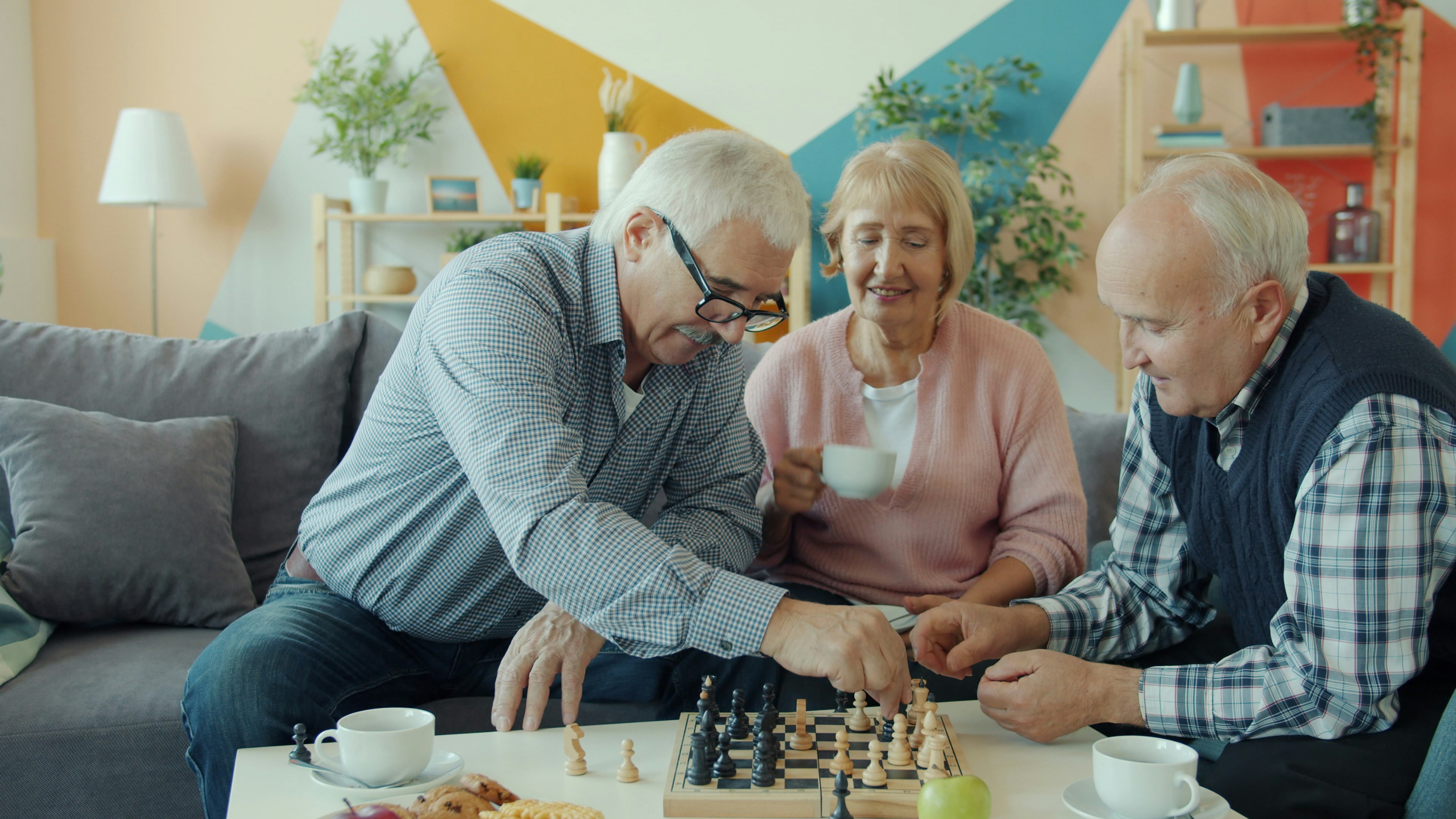
  • Playing board games or cards.
  • Helping organize old photos or creating "memory books."
  • Simply sitting together and listening to stories of the past.

These intergenerational bonds provide vital elder care support by ensuring that no one feels forgotten. Building these friendships helps seniors remain in their homes longer, as they have a social safety net looking out for them. Whether it’s a quick hello or a weekly ritual, these moments of connection are the best defense against the depression that often accompanies isolation.

Volunteer delivering a warm meal to a senior at home - community service helping elderly

If you are ready to jump in, you might be wondering which path is right for you. There are numerous established avenues for community service helping elderly residents, ranging from nutrition-focused roles to simple companionship.

One of the most well-known options is meal delivery. Organizations like Meals on Wheels provide more than just food; they provide a "wellness check" and a friendly face. For a homebound senior, the volunteer who drops off a hot lunch might be the only person they see all day. This nutritional support is a pillar of independence, allowing seniors to stay in their own kitchens rather than moving to assisted living.

For those who enjoy a more personal touch, companionship initiatives are ideal. Programs like Elder Helpers allow you to offer your specific talents—whether that’s reading aloud, playing an instrument, or just being a good listener. These roles provide essential respite for families who may be feeling the strain of balancing their own lives with the needs of an aging parent. By stepping in to provide a few hours of social time, you are offering a gift to the entire family.

Practical Assistance and Community Service Helping Elderly Independence

Sometimes, the best way to help is through "elbow grease." As we age, tasks that once seemed simple—like changing a lightbulb or raking leaves—can become daunting or even dangerous. Providing household chores help is a practical way to ensure a senior's home remains a safe haven.

Volunteers often provide daily life assistance in the following ways:

  • Transportation: Driving a neighbor to a doctor’s appointment, the pharmacy, or the grocery store.
  • Yard Work: Shoveling snow to prevent falls or mowing the lawn to keep the property maintained.
  • Technology Assistance: Helping a senior set up a video call to see their grandkids or navigating a new tablet.
  • Minor Repairs: Fixing a leaky faucet or clearing a pathway to the mailbox.

When we talk about taking care of old people, we aren't just talking about medical needs; we are talking about the small, everyday things that make a house a home. These acts of service are what allow our neighbors to age with dignity and grace.

Specialized Programs for Volunteers Aged 55+

If you are over 55, you have a unique set of skills and life experiences that are incredibly valuable. There are government-sponsored and nonprofit programs specifically designed for "senior-to-senior" service.

The Senior Companions program, part of AmeriCorps Seniors, matches volunteers aged 55+ with other older adults who need help with daily tasks. This program is a beautiful example of mutual support; the volunteer stays active and purposeful, while the recipient receives the help they need to stay independent.

Another wonderful option is the Foster Grandparent Program. While this involves helping children, it is a form of community service that benefits the aging volunteer by providing intergenerational mentorship opportunities. Sharing your wisdom with the next generation is a powerful way to leave a legacy. For more on how families can navigate these years, our family caregiver support guide offers deeper insights into the resources available.

How to Start Your Journey as a Senior Support Volunteer

Taking the first step is often the hardest part, but the process is more straightforward than you might think. Most organizations have a structured "onboarding" process to ensure that both the volunteer and the senior are a good match.

  1. Identify Your Interests: Do you prefer physical tasks like gardening, or would you rather spend time talking? Knowing your strengths helps you find the right role.
  2. Find a Local Organization: In Virginia, you can explore resources like ServeRI or look for local "Village" models like the Village Common which focus on community-led support.
  3. Fill Out an Interest Form: Most groups, including the National Council on Aging, have online forms where you can list your skills and availability.
  4. Complete the Vetting Process: Because you will be working with a vulnerable population, expect a background check. This is a standard safety protocol that protects everyone involved.
  5. Attend an Orientation: This is where you’ll learn the "do’s and don’ts" of how to care for an elderly person at home, such as respecting privacy and understanding boundaries.

Safety, Training, and Time Commitments

Safety is the top priority for any organization facilitating community service helping elderly individuals. To ensure peace of mind, reputable programs use a rigorous screening process. This typically includes criminal background checks, driving record reviews (if you’ll be providing transportation), and personal references.

Training is also provided to help you feel confident in your role. You might receive modules on communication techniques, how to spot signs of elder abuse (often through Ombudsman services), or basic safety protocols for the home.

When it comes to time, flexibility is the name of the game. You don't need to commit forty hours a week to make a difference.

Volunteer Role Typical Time Commitment Flexibility Level
Meal Delivery 1–2 hours per shift High (can be once a month)
Friendly Visitor 1 hour per week Moderate (scheduled with senior)
Grocery/Errand Runner 2 hours as needed Very High
Senior Companion 5–20 hours per week Low (requires consistency)
Yard Work/Repairs One-time projects High (seasonal)

Whether you are helping with emergency elderly care help or just stopping by for a chat, your time is the most valuable currency you have.

Frequently Asked Questions about Volunteering with Seniors

What is the typical time commitment for community service helping elderly?

Most programs are incredibly flexible. For instance, a Meals on Wheels route can often be completed during a standard lunch break (about 1.5 hours). Other roles, like "Friendly Helping," might only require 1–3 visits to complete a specific task like organizing a closet. If you are helping someone with post-hospitalization care by running errands, it might just be a few hours over a single weekend.

Do I need a car or special skills to volunteer?

Not necessarily! While many transportation roles require a personal vehicle and a clean driving record, many urban programs allow for walking routes or the use of public transit. As for skills, the most important ones are compassion and reliability. However, if you are tech-savvy or a "handyman," those skills are in high demand for minor home repairs and digital literacy training. Even if you are just helping with personal care for elderly at home by being a supportive presence, you are making a difference.

How do organizations screen volunteers to ensure safety?

To protect the dignity and safety of seniors, organizations conduct thorough vetting. This includes:

  • Criminal Background Checks: To ensure a safe environment.
  • Driving Record Reviews: Essential for anyone behind the wheel.
  • Reference Checks: To confirm your character and reliability.
  • Personal Interviews: To match your personality with the right senior. While these steps might seem extensive, they are there to ensure that every interaction—even those involving elderly personal hygiene or sensitive home tasks—is handled with the utmost respect.

Conclusion

Community service helping elderly neighbors is about more than just checking off a list of chores; it’s about weaving a tighter, more compassionate community. At Burnie's Way, we see every day how a little bit of personal support can change a life. While we are not a medical or caregiving service, we act as a lifestyle concierge, helping seniors navigate their daily routines with confidence and joy.

Our mission is to provide the kind of coordination and companionship that gives families peace of mind and keeps seniors independent. Whether you choose to volunteer through a national program or simply start by helping the neighbor across the street, you are contributing to a world where aging is met with respect rather than isolation.

If you’re looking for ways to help your loved one stay independent at home, or if you want to learn more about how we coordinate personal support, we invite you to explore our services. Together, we can ensure that every senior in our community feels "special" and supported. Let's make aging at home the best experience it can be.

Your Home, Your Haven: Comprehensive Help for Seniors Living Independently

Your Home, Your Haven: Comprehensive Help for Seniors Living Independently

Why So Many Families Are Searching for Help for Seniors Living at Home Help for seniors living at home is one of the most urgent things families look...


Read More
The Ultimate Guide to At-Home Elder Care: Services, Specialists, and Support

The Ultimate Guide to At-Home Elder Care: Services, Specialists, and Support

Why Finding the Right Support Matters Most Reliable home care starts with understanding what you need and knowing where to find trustworthy help....

Read More
All About Senior Care Coordination

All About Senior Care Coordination

Why Coordinating Your Loved One's Care Matters More Than Ever Senior care coordination is the process of organizing an older adult's healthcare and...

Read More